Luxury Gold - Journey Beyond the Ordinary
  • Home
  • Luxury Journeys
    • Europe
    • Africa
    • Asia
    • Australia
    • USA and Canada
    • Latin America
  • Cuisine
  • Unwind
  • Concierge Tips
  • Make Travel Matter
Luxury Gold - Journey Beyond the Ordinary
Mobile Menu
Home
Luxury Journeys
    Europe
    Africa
    Asia
    Australia
    USA and Canada
    Latin America
Cuisine
Unwind
Concierge Tips
Make Travel Matter
  • Home
  • Luxury Journeys
    • Europe
    • Africa
    • Asia
    • Australia
    • USA and Canada
    • Latin America
  • Cuisine
  • Unwind
  • Concierge Tips
  • Make Travel Matter

Month: April 2023

Asia, Luxury Journeys

Walking With the King of the Big Cats in India’s Royal Hunting Grounds

April 24, 2023 by kjbirtles No Comments
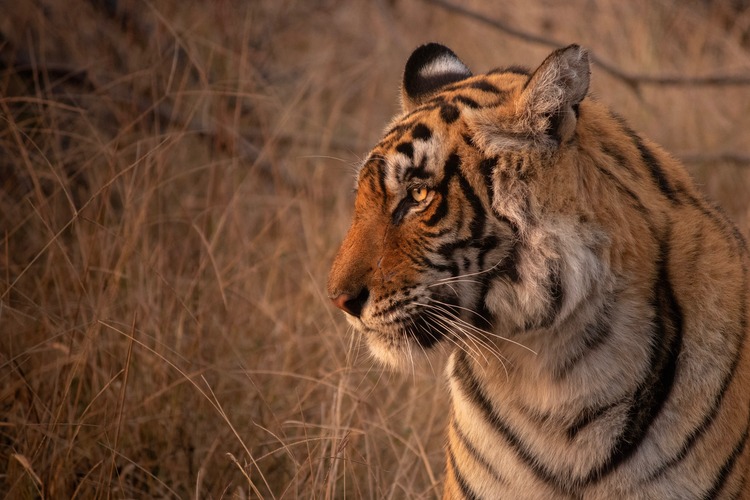
tiger in Ranthambore National Park, India's former royal hunting grounds

Home to more than 70% of the world’s tigers, there’s no better place than India to see this majestic animal in the wild. Ranthambore National Park is the crown jewel of India’s protected tiger habitats, home to dozens of Bengal tigers living among its lush forest and ancient palatial ruins.

Here, we delve into the history of Ranthambore – and how it transformed from royal hunting grounds to a world-class sanctuary. Plus, learn the secrets to spotting a Bengal tiger yourself in this stunning national park. 

Experience it: Essence of India with Ranthambore
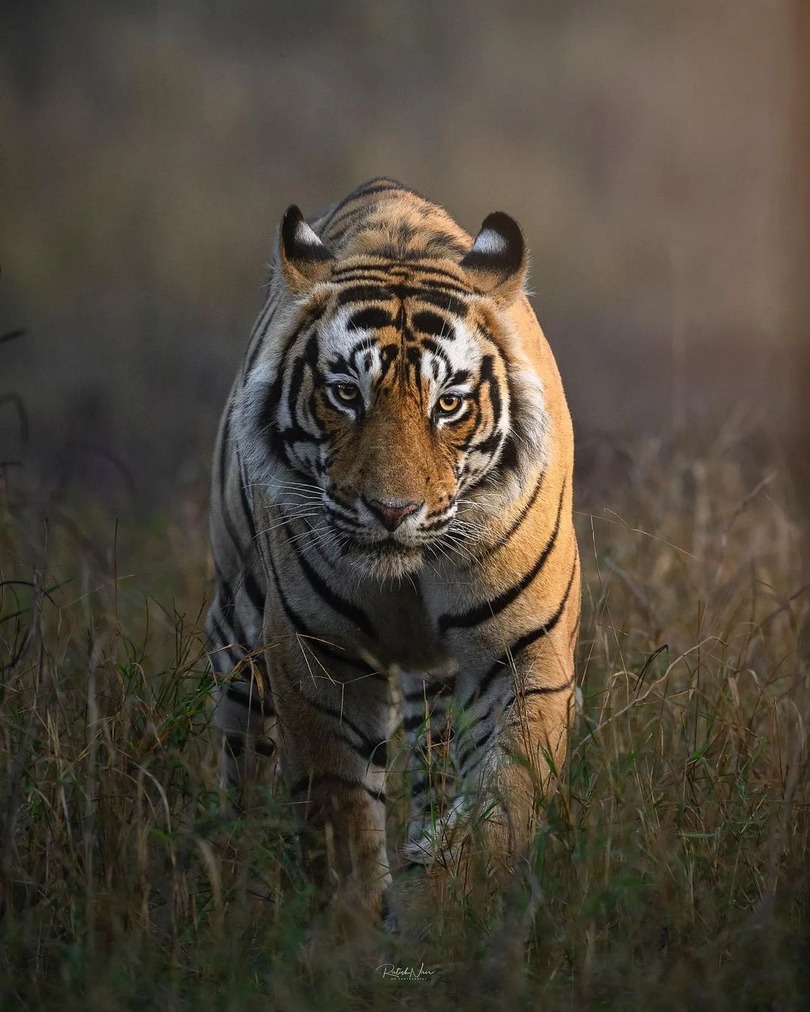
Image of a Bengal tiger in Ranthambore National Park, walking towards the camera through long grass

@claws.n.wings

Tiger hunting in India

Ranthambore National Park is located in the Indian state of Rajasthan, meaning ‘Land of Kings’ in Hindi. It’s a fitting name as Rajasthan is famed for its legacy of royal rulers, dynasties, palaces and forts. From the Mughal Emperors of the 16th century to the Maharajas (rulers), the royals practiced ‘shikar’, or big game hunting, and Bengal tigers were particularly prized. British royalty and other aristocrats from all over the world would come to India to hunt the king of the big cats. Renowned for its large tiger populations, Ranthambore was the royal hunting grounds of the Maharajas of Jaipur, the capital of Rajasthan. 
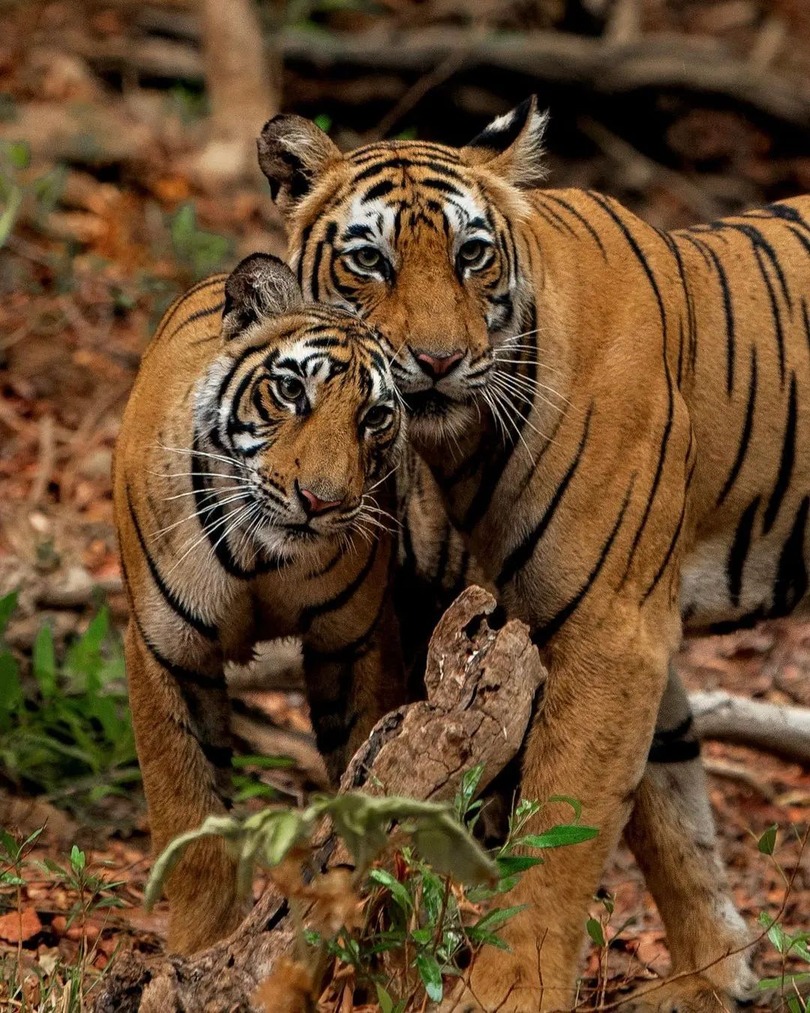
Image of two tigers in Ranthambore National Park, standing close together in woodland

@ranthambhorewildlife

Project Tiger

By 1972, the Bengal tiger population in India had dropped from as many as 80,000 to just 1,800. This shocking discovery prompted then Prime Minister Indira Gandhi to launch Project Tiger to protect the country’s tigers. The government established the Wildlife Protection Act in 1972 which made hunting illegal. As tigers were designated as Schedule 1 animals, the hunting of tigers brought the highest penalty. The government also banned the export of tiger skins and created sanctuaries and national parks to preserve the tiger’s natural habitats. Since the launch of Project Tiger, the tiger population has slowly risen. A recent tiger census in April 2023 found that India now has a population of 3,167 tigers, 200 more than it had four years ago. The country is now home to more than 70% of the world’s tigers.
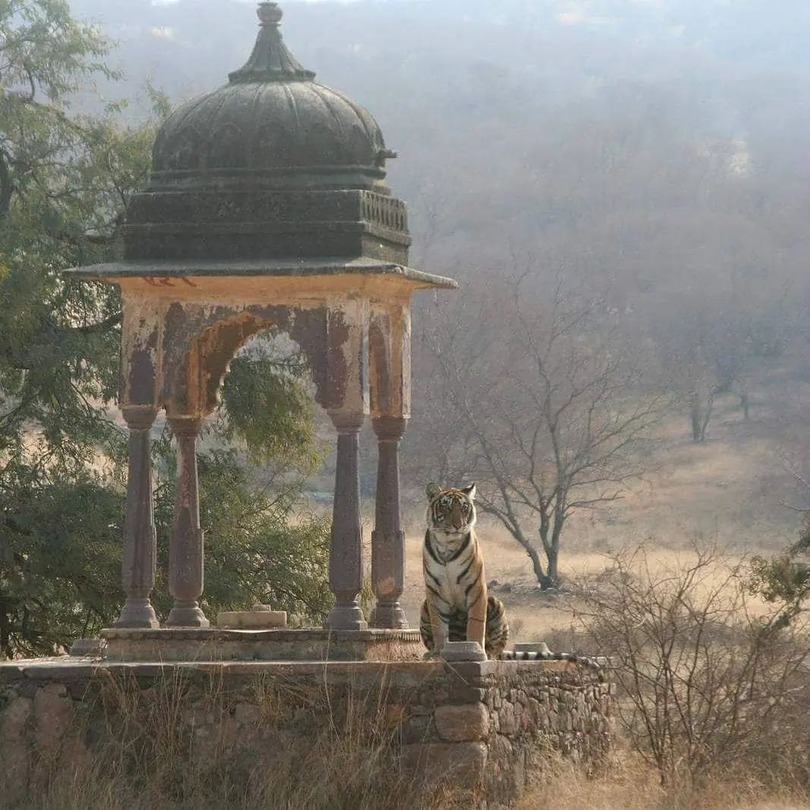
Image of a tiger sitting on an ancient ruin in Ranthambore National Park

@ranthambhorewildlife

Royal hunting grounds turned protected wilderness

Ranthambore was declared a national park in 1980 and remains a protected area today, strictly prohibiting any disturbance to wildlife. The national park now has 86 tigers living in the area spanning 515 square miles and has proudly achieved a 45% growth in the population in the last eight years. While the park has battled many challenges over the years including poaching, the local communities and government work together to protect the tigers and conserve their habitat. Today Ranthambore remains one of the most popular destinations for wildlife and photography enthusiasts and visitors come from all over the world to take safaris to explore the park and spot its wildlife. 

Read more: Uncovering India’s cultural riches, with acclaimed historian Rana Safvi

Close up image of a young tiger in Ranthambore National Park

@ranthambhorewildlife

The cultural significance of tigers in India

Tigers have played a role in Indian traditions, culture and mythology for centuries. They are a revered animal and considered a symbol of strength, power, beauty and intelligence. In Hindu mythology, the goddess Durga is often depicted riding a tiger as a symbol of her strength. Lord Shiva, an important Hindu god, is also portrayed wearing a tiger skin around his waist. In recognition of this cultural significance, the tiger was declared the national animal of India in 1972.
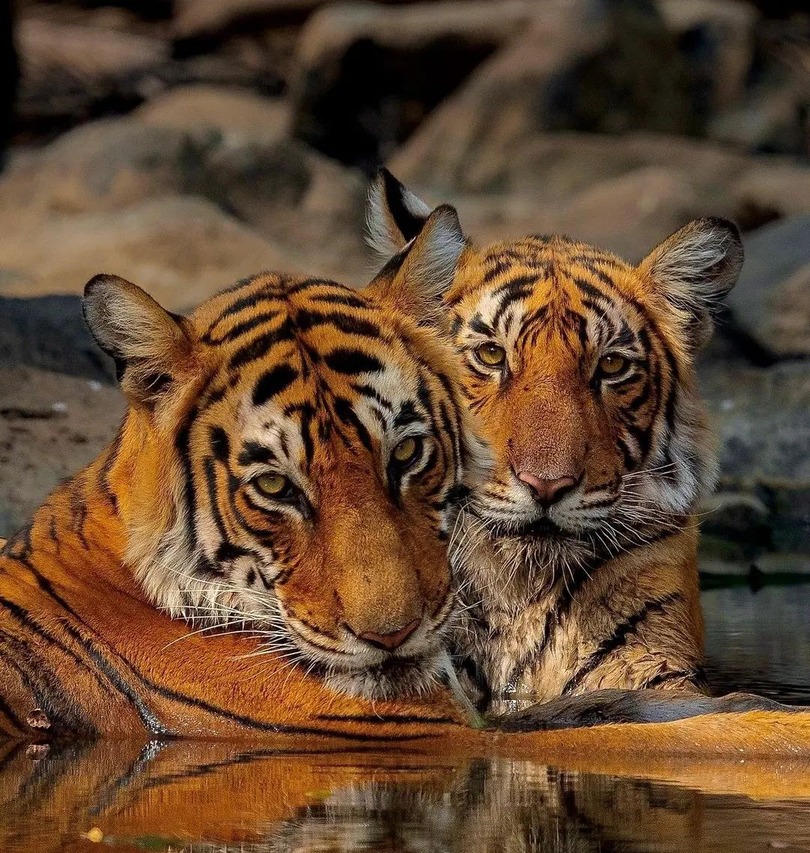
Close up image of two tigers bathing in Ranthambore National Park

@ranthambhorewildlife

How to see tigers roaming in Ranthambore

When you embark on our Essence of India with Ranthambore luxury tour, you’ll journey to Ranthambore on the Jan Shatabdi Express. After arriving at your luxury hotel, the Nahargarh Ranthambhore, in the lush foothills of the Aravalli mountain range, you’ll discover a beautiful region swathed in forest and dotted with crumbling forts – and Bengal tigers. 

You’ll join an Expert Naturalist as you seek out the elusive tigers on dawn and dusk safaris within Ranthambhore National Park. You’ll also meet a Local Expert to explore the former royal hunting grounds and discover palace ruins, traditional Chhatri dome-shaped pavilions, and a 1,000-year-old fort.

Image of three tigers play fighting on a dirt road in Ranthambore National Park. A safari jeep is visible in the background

@ranthambhorewildlife

More than tigers – the other wildlife you can spot in Ranthambore

The main prize on safari in Ranthambore is spotting a Bengal tiger or two, but you’re also likely to spot a wealth of other incredible wildlife on your safaris here. Keep your eyes peeled for leopards, sloth bears, Indian wild boar, Indian Sambar deer, Chital deer, and Indian foxes. You can also see the Indian gazelle (chinkara), a small antelope, and Nilgai, the largest antelope in Asia. Look up and you’ll also spot several bird species including owls, eagles and vultures.

Read more: How to safari in style: The ultimate packing guide
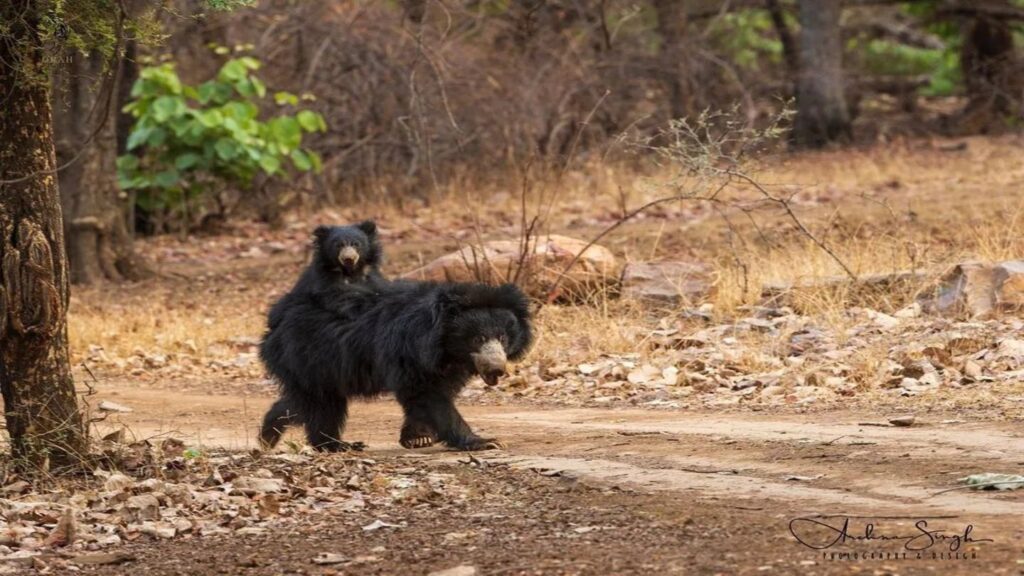
Image of an adult and a cub sloth bear in Ranthambore National Park

@ranthambhorewildlife

Tips for spotting tigers in Ranthambore

While Ranthambore is one of the best places in the world to spot Bengal tigers in their natural habitat. However, it’s never a guarantee to see one. Here are some tips to improve your chances: 

Choose the right season

The best time to spot tigers in the wild is during the dry season, which runs from November to May. The grass is shorter and animals congregate around the receding water sources, making it easier to spot tigers.

Go with an experienced guide

When you travel with Luxury Gold, you’ll go on safari with expert local guides who know the habits of tigers and can significantly improve your chances of spotting a tiger. They can also help you spot other animals and birds while out exploring.

Wear the right clothes

Wear clothing in neutral colors such as beige or khaki to help you blend in with your surroundings. Brightly colored clothing may scare off the animals you’re trying to spot. 

Keep your distance

While spotting tigers in the wild is a thrilling experience and it may be tempting to move closer, it’s important to be respectful of their habitat and maintain a quiet atmosphere and a safe distance. It’s also important to take photos without the flash on. Getting too close or making too much noise or sudden movements can be dangerous or simply encourage the tigers to hide from view.

Be patient and observant

When it comes to spotting tigers, patience is key. Tigers are elusive animals, so you’ll need to keep a sharp eye out for any signs of tiger activity, such as pugmarks or alarm calls from other animals. A high-quality pair of binoculars can also help you catch a glimpse.

Discover how you can see the tigers of Ranthambore on our Essence of India with Ranthambore luxury tour.

Share:
Reading time: 5 min
Asia, Luxury Journeys

The timeless elegance of Japan: admire geisha in Kyoto

April 24, 2023 by Leanne Williams No Comments
Image of Japanese Geisha wearing kimonos, with traditional make up and red parasols, walking together

An iconic symbol of culture and elegance, Japanese geisha have been entertaining high society for centuries. Although geisha can be found in several major cities across Japan, most of them work in Kyoto – the country’s capital of traditional culture. Highly skilled entertainers and fascinatingly mysterious, to see geisha in Kyoto remains an exclusive privilege.

Through music, literature and the art of intrigue, geisha have captured the imaginations of audiences around the world. Their distinct white makeup, elegant kimonos and pristine hairstyles are often the first images conjured up when thinking of traditional Japanese culture. Geisha women dedicate their lives to Japanese traditional arts.

For travel inspiration: Japan destination guide

The history of geisha in Kyoto

Image of young geisha in Kyoto looking out of a window, wearing traditional make up and kimono

Geisha history begins in the 13th century. Originally men known as taikomochi, they were employed to advise and entertain their lord. By the 16th century, they became closer to storytellers, relied on to generate conversation. Women started becoming geisha in the 17th century and by mid century they had begun to outnumber the men.

Geisha in Kyoto were originally hired to entertain guests at tea houses, and were trained in the arts of music, dance and conversation. Over time, geisha became synonymous with the refined culture and sophistication of Kyoto. They were highly respected and admired for their skills and beauty. Their main function was to provide an atmosphere of elegance and fun for wealthy clientele.

Discover this on: Majestic Japan

An exclusive performance

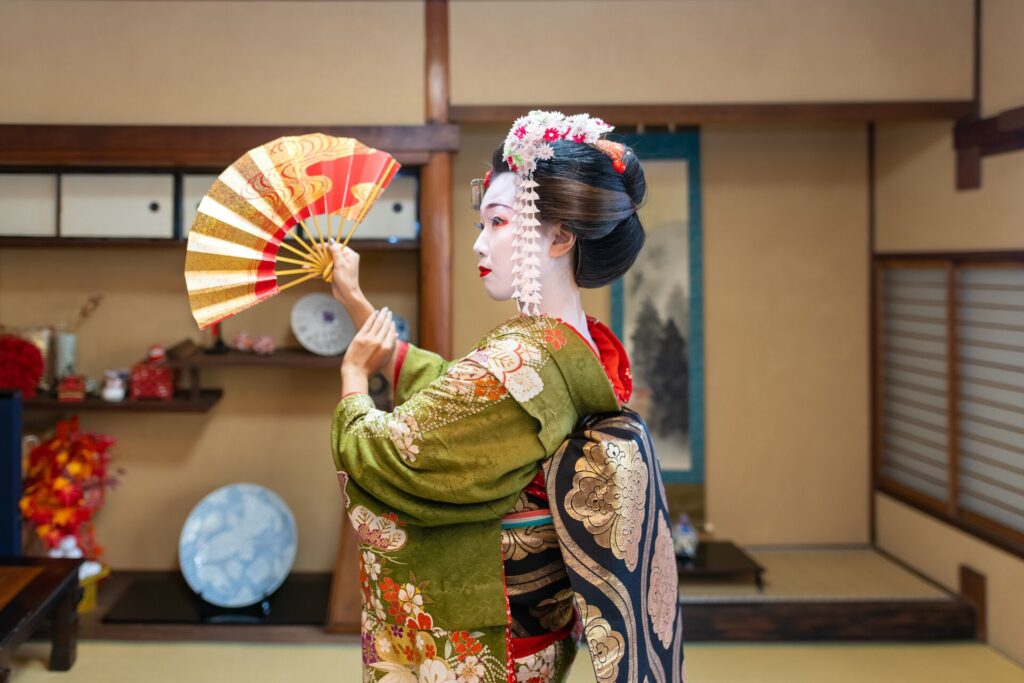
Image of Geisha Maiko girl dancing with a traditional paper fan in Japanese tatami room

Today there are only about 1,000 geisha in Japan. Many perform at tea houses – exclusive places, where only trusted customers are granted entry. Geisha-hosted dinners are expensive, high-class events so to be treated to a performance is quite a privilege.

As guests of Luxury Gold you’ll be treated to a performance by a Maiko, an apprentice geisha on Majestic Japan. You can distinguish between the two because maiko wear colorful kimonos with long sleeves and extravagant hairpins, while geisha wear plain kimonos with shorter sleeves. As you dine, you’ll enjoy a traditional performance of dance and entertainment whilst savoring a lunch of refined kaiseki cuisine.

Read more: A journey of a lifetime: unearthing Majestic Japan with Luxury Gold

Training to become a geisha in Kyoto

Image of a Maiko (Geisha in training) dancing with 'Sensu' folding fan in Japanese tatami room

Prior to World War II, there were about 80,000 geisha, but that dwindled in the decades that followed. By the late 20th century there were only a few thousand, almost all confined to Tokyo and Kyōto, where they were patronized by only the wealthiest businessmen and most influential politicians. However, in the past decade, the number is said to be slowly rising again as a new generation reconnects with their culture. It takes an average of six years to learn how to become a geisha and incorporates studying, mentorship, observation and practice.

Geisha in Kyoto were highly respected members of society and were admired for their grace, poise and intelligence. And now a growing number of young women in Japan are now making the choice to return to the highly regarded traditional art form as their livelihood. Together, by learning how to be a geisha, they have become the protectors and practitioners of the art and culture of a bygone era.

You may also enjoy reading: Guardians of a national icon: meet the Japanese cherry blossom doctors

Memoirs of a Geisha

Geishas have been a popular subject in literature and film for decades. An enduring image of Japanese culture, they have captured the imagination of audiences around the world. Though many books have been written, the strict code of silence from the geisha themselves leaves many a story romanticized. In fact, it could be a grueling profession, especially during war time.

Perhaps the most famous representation of geisha in film literature is Arthur Golden’s ‘Memoirs of a Geisha.’ This romantic, dramatic novel tells the story of a young girl who becomes a geisha in Kyoto before the war. The novel was later adapted into a critically acclaimed film in 2005, which starred Zhang Ziyi and won three Academy Awards.

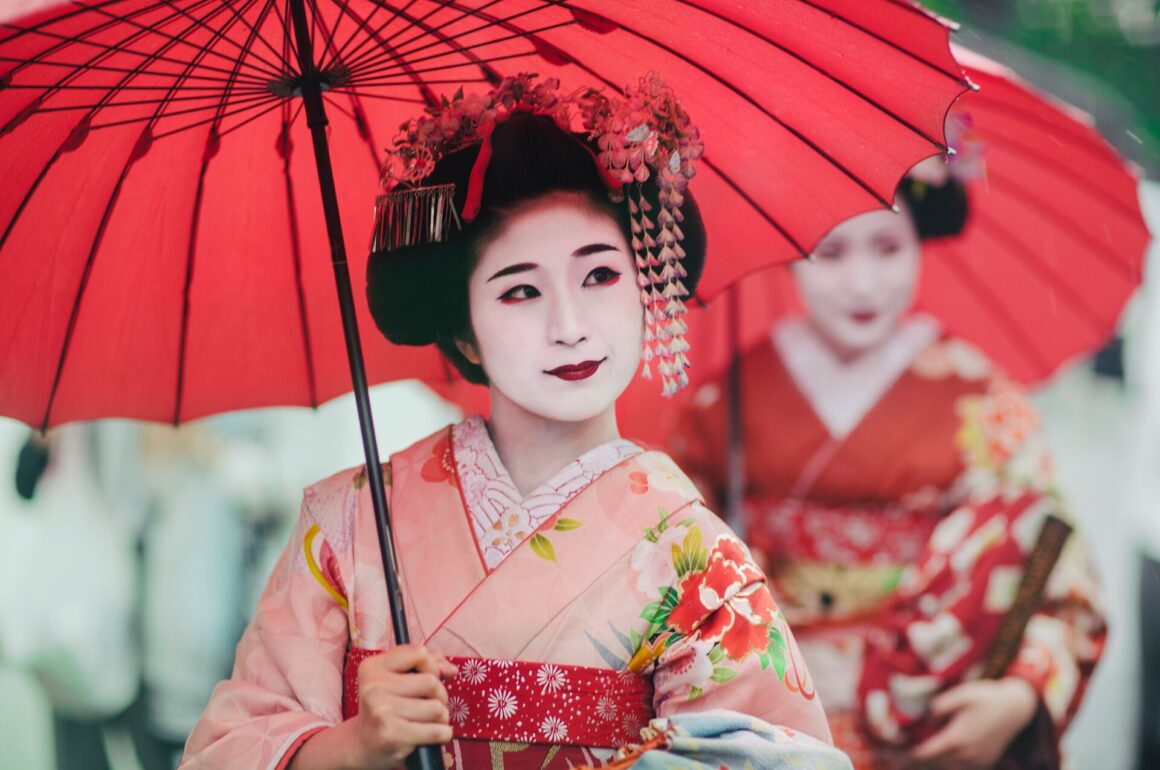
Picture of two Maiko Apprentice Geisha Japanese Women In Traditional Kimonos, waking down the street with red parasols

However, controversy surrounded the production, with Japan and China heavily criticizing the film as being an inaccurate representation. And, though not based on a true story, a real geisha named Mineko Iwasaki sued the author for defamation as the book used similar characters and stories told to the author in private.  There is a strict code among geisha never to talk about clientele which left her a pariah of the community.

Another famous film that depicts the world of geishas is ‘Sayuri’, which was released in 2009 and is based on the true story of a geisha who became a spy for the Japanese army during World War II. The film explores the complex relationships and politics of the geisha world and offers a fascinating glimpse into the traditions and culture of Kyoto.

You might enjoy reading: A guide to Japan’s finest Kobe beef

Destination Kyoto

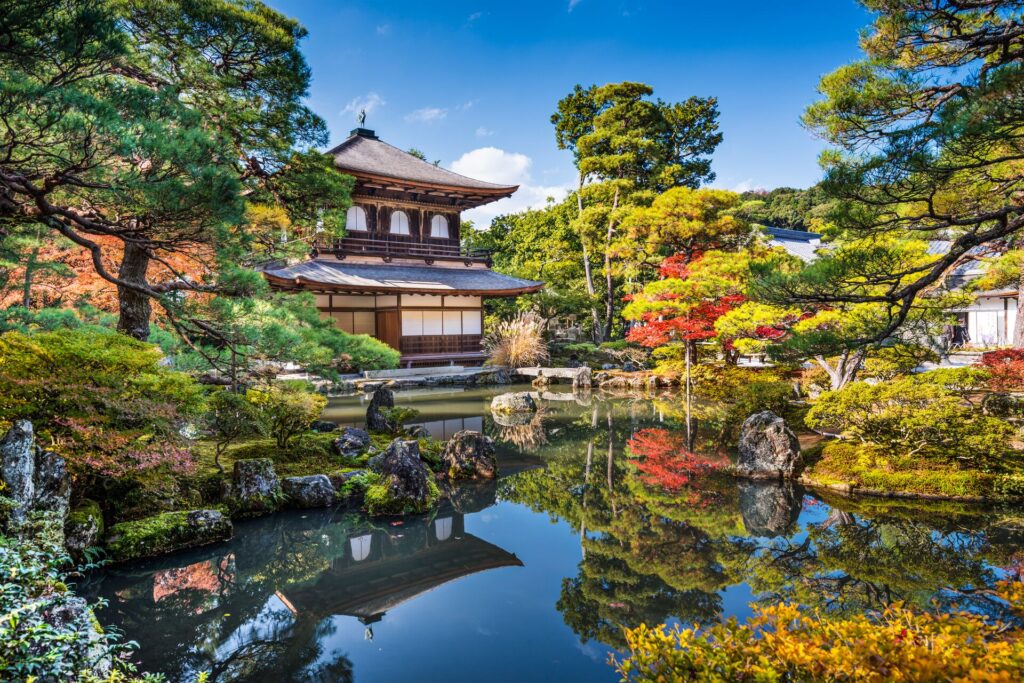
Image of an ornate palace in Kyoto, surrounded by lush, brightly coloured traditional Japanese gardens, with a bright blue pond in front.

Steeped in history, Kyoto is home to roughly one quarter of Japan’s national treasures. As well as its iconic teahouses, the city is full of historic temples, sanctuaries and monuments that are designated UNESCO World Heritage Sites. Exquisitely constructed shrines and palaces, with ornate architecture sit amongst manicured gardens and elegant courtyards.

A truly luxurious destination, Kyoto offers the perfect blend of tradition, elegance and mindfulness to invigorate the body, mind and soul of any traveler. The city is also home to many exceptional restaurants and magnificent hotels purveying the very best of Japan’s world-renowned hospitality.

To experience the magic of geisha in Kyoto for yourself, take a look at our Majestic Japan limited edition tour.

Share:
Reading time: 4 min
Concierge Tips

How to Safari in Style: The Ultimate Packing Guide

April 21, 2023 by kjbirtles No Comments

If you’re about to head off on a safari to Africa’s extraordinary destinations, you’re probably wondering what to wear and what to pack. From game drives to bush walks and sundowners, you’ll want to be prepared for everything on your safari. Our expert team know exactly what you do and don’t need on safari, from your luggage to your clothing and accessories. We’ve put together the ultimate packing guide so you can go on safari in style.

Experience it: Spectacular South Africa

Luggage

Before you start packing, you need to choose the right luggage. For a safari in Africa, a soft-sided suitcase or duffel bag is the best choice. Most luxury safari camps and lodges have strict luggage restrictions, particularly if you’re flying on small domestic flights between destinations. A lightweight, soft-sided bag can be easily stowed in small storage spaces.

Image of an open suitcase, packed with clothes, shoes and sunglasses

Daytime clothing

If you want to safari in style, you’ve got to choose the right clothing. Here are our tips on how to dress comfortably and appropriately on safari:

  • Wear long trousers and long-sleeve shirts to protect against the elements and insects. It’s appropriate to dress conservatively in many African countries, so bring clothing that can cover your shoulders, chest and midriff, even outside the national parks.
  • Bring shorts, t-shirts, sun-dresses or casual wear for downtime around the lodge.
  • Wear clothing options that are easy to layer up, as morning and evening game drives can be cold, while the daytime drives can be hot. You’ll need a warm jacket and a waterproof coat in case of rain.
  • Choose moisture-wicking materials to stay comfortable and cut down on clothes washing in remote safari camps and lodges.
  • Wear clothes in neutral colors such as brown, beige, khaki and dark green. This helps you blend in with the landscape and increases your chance of spotting wildlife. Avoid white and brightly colored clothing. You should also avoid military-style camouflage clothing as it’s illegal in many African countries such as Zimbabwe, Ghana, Nigeria and Uganda.
  • Swimwear: Most luxury safari lodges have a pool so bring your swimwear.
  • Sleepwear: Pack some comfortable sleepwear in breathable materials
  • Underwear and socks: Go for moisture-wicking underwear and socks to help you stay comfortable all day.

Read more: Cape expectations: how Travel Concierge Jameel makes South Africa sing

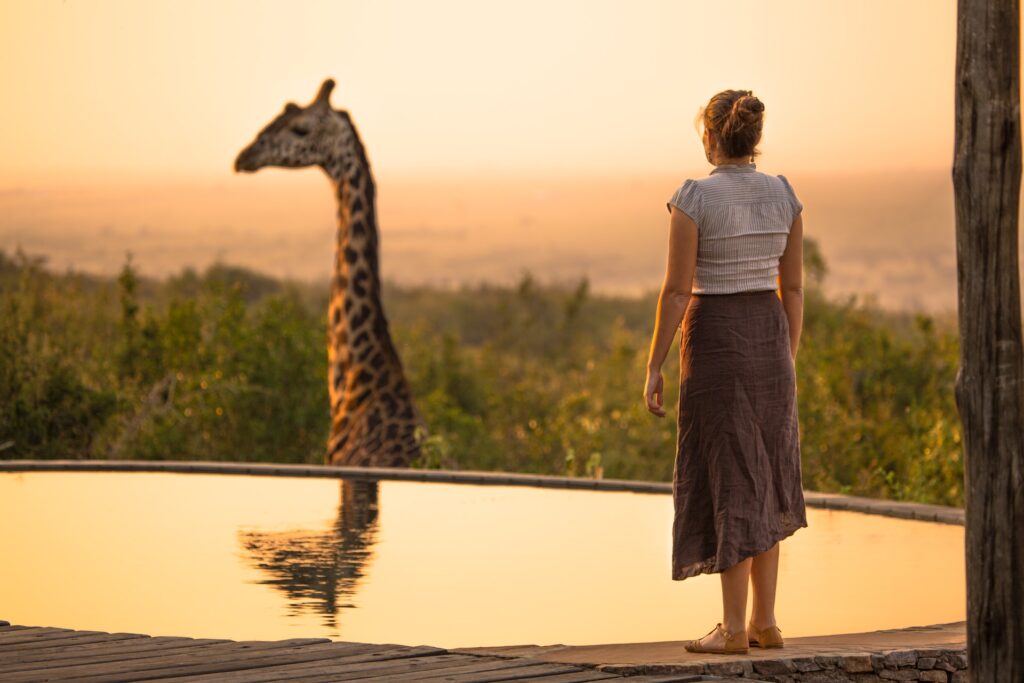
Image of a woman standing on the edge of a swimming pool at sunset, looking towards a giraffe walking through the undergrowth beyond the pool

Footwear

Bring comfortable walking shoes that have been worn-in, to avoid blisters. If you plan to do any hiking, you’ll need sturdy hiking boots.

You should also bring a pair of sandals or flip-flops for relaxing at the lodge or by the pool.

Evening wear

Depending on your safari and lodge, you may like to bring a more formal outfit for dinners or evening events. Check with your personal Travel Concierge to find out if you need to bring evening wear on your tour.

Accessories

Bring a wide-brimmed hat and polarized sunglasses to protect you from harsh UV rays.

You should also bring one or two lightweight scarves or bandanas. These come in handy for protecting your face from dust, shielding your neck from the sun, cleaning lenses on your camera or glasses, or wrapping around yourself on chilly mornings.

Read more: 5 of the best Passport Moments you’ll enjoy with Luxury Gold

Close up image of a pari of sunglasses in some sand

Travel gear

Camera and accessories: Capture the incredible wildlife and landscapes with a good camera, protective cases, extra memory cards, and spare batteries or a portable charger. If you plan to take photos with your phone, bring a dustproof and waterproof case plus extra memory cards.

Binoculars: Good quality binoculars are highly recommended.

Torch or head flashlight: These are essential for navigating around the lodge at night or if you plan to go on night game drives. A solar-powered torch or flashlight is a great eco-friendly alternative.

Portable chargers and adaptors: Portable chargers are one of the handiest gadgets you can bring on safari. You’ll also need to check the plug type for your destination to determine which power adaptors you need. If you’re visiting multiple countries, a universal power adaptor might be the best option.

Waterproof bags: Bring waterproof bags for all your important equipment. If you plan to go kayaking or do water sports, bring a dry bag.

Reusable water bottle: Stay hydrated and limit single-use plastic waste by bringing a reusable water bottle. You can refill it at your safari lodge or during game drives. You may also like to bring a water bottle with an in-built filtration system.

E-reader: If you love to relax with a good book in the afternoons when travelling, bring an e-reader such as a Kindle or Kobo with some good books preloaded. It’s easier than hauling around heavy books and you can download dozens of books at a time. Ask your personal Travel Concierge for recommended reading about your safari destination before you go.

Read more: The personal touch: our top 5 curated luxury travel experiences for 2023

Image of a woman looking through a pair of binoculars, shot from below; sun flaring through the tree canopy above her

Toiletries

  • High-SPF sunscreen
  • After sun cream
  • Mosquito repellent
  • Bite relief cream
  • Lip balm
  • Hand sanitizer
  • Biodegradable wet wipes
  • Eco-friendly toiletries such as solid shampoo, soap, deodorant, and toothpaste tabs.
  • Basic first aid kit including band-aids, pain relievers, antihistamines, gastro relievers, and any personal medications. Check with your doctor about whether you need to bring malaria prophylactics.

Documents and essentials

Keep your passport, visas, travel insurance information, and any necessary vaccination certificates in a secure, waterproof document holder.

What not to bring

Plastic bags: These are banned in many African countries including Kenya and Rwanda. All visitors are required to discard any plastic bags before entering the country including ziplock bags and duty-free plastic bags. There are penalties for those found in possession of them, so be sure to use alternatives such as cotton totes or silicone bags.

Camouflage clothing: It’s illegal in many countries and unnecessary on safari.

Drones: These are illegal in East Africa.

If you want to know more about what to pack for your safari, be sure to speak to yourTravel Concierge. They are experts on your destination and are there to offer guidance and personal service every step of the way so you can safari in style.

Share:
Reading time: 5 min
Page 2 of 5«1234»...Last »
12 Best Restaurants In Spain

12 Best Restaurants In Spain

October 22, 2024
The Ultimate Nature Retreat: Welcome To Milford Sound Lodge

The Ultimate Nature Retreat: Welcome To Milford Sound Lodge

November 25, 2024
These Are 2025’s Most Exciting Luxury Travel Trends

These Are 2025’s Most Exciting Luxury Travel Trends

October 27, 2024
Canada Unlocked: An Interview with Travelling Concierge Andrea Dionne

Canada Unlocked: An Interview with Travelling Concierge Andrea Dionne

March 21, 2016
5 Books to Inspire Your Trip to the British Isles

5 Books to Inspire Your Trip to the British Isles

May 23, 2019

Subscribe to Our Newsletter

Receive curated news, special offers and travel inspiration straight to your inbox.

Please note that the information you provide will be used solely for the purpose of this request.

Categories

  • Luxury Journeys
    • Europe
    • Africa
    • Asia
    • Australia
    • USA and Canada
    • Latin America
  • Make Travel Matter
  • Cuisine
  • Unwind
  • Concierge Tips

Tags

Africa Asia Australia Canada Croatia Cuisine Destinations Egypt England Europe Exceptional Dining Fine Dining Food France History Imperial Rajasthan India Ireland Italy Japan London Luxury Luxury Gold Luxury Hotels Luxury Travel Make Travel Matter New Zealand Peru Portugal Safari Scotland South Africa Spain Sustainability Sustainable Tourism Sustainable Travel Switzerland Travel Travel Concierge Travel Tips Travel Trends TreadRight USA Venice Wildlife

Search

Recent Posts

What to Wear in Venice: A Luxury Gold Packing List

What to Wear in Venice: A Luxury Gold Packing List

June 3, 2026
The 10 Best Restaurants in Lisbon, Portugal

The 10 Best Restaurants in Lisbon, Portugal

March 31, 2026

More About Luxury Gold

We invite you to embark on a travel experience unlike any other. Join us as we explore exotic lands and distinctive destinations, in exquisite style and comfort. At Luxury Gold, it’s our pleasure to make your next journey extraordinary. Allow us to share our unparalleled wealth of expertise and insights, accumulated over nearly 100 years as leaders in luxury travel.
Privacy Policy
Disclaimer
© Copyright 2023 Luxury Gold. All Rights Reserved.