Luxury Gold - Journey Beyond the Ordinary
  • Home
  • Luxury Journeys
    • Europe
    • Africa
    • Asia
    • Australia
    • USA and Canada
    • Latin America
  • Cuisine
  • Unwind
  • Concierge Tips
  • Make Travel Matter
Luxury Gold - Journey Beyond the Ordinary
Mobile Menu
Home
Luxury Journeys
    Europe
    Africa
    Asia
    Australia
    USA and Canada
    Latin America
Cuisine
Unwind
Concierge Tips
Make Travel Matter
  • Home
  • Luxury Journeys
    • Europe
    • Africa
    • Asia
    • Australia
    • USA and Canada
    • Latin America
  • Cuisine
  • Unwind
  • Concierge Tips
  • Make Travel Matter

Month: January 2024

Concierge Tips

The Luxury Gold Guide to Wildlife Photography While on Safari

January 20, 2024 by Luxury Gold No Comments
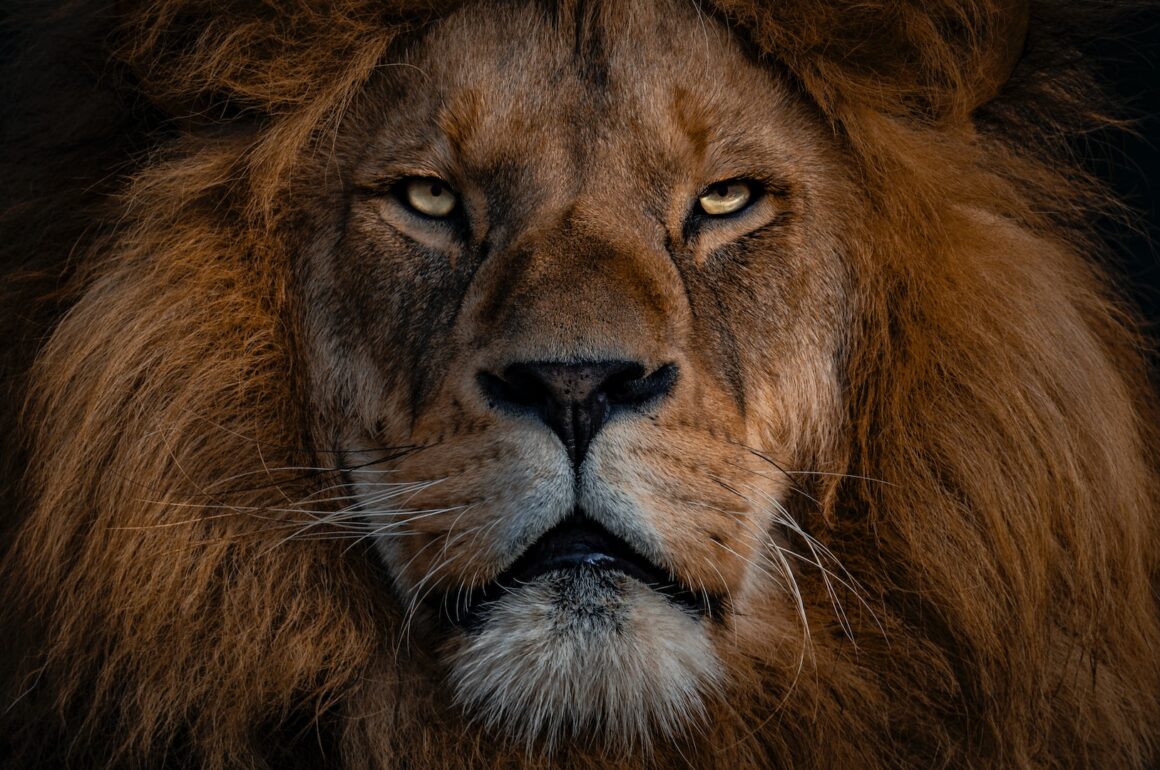
Portrait of a lion, facing forward, under dramatic lighting

The lift of a tiny trunk. The scurry of a panicked warthog as a predator approaches. The ruffle of a lion’s mane in the sunlight. When it comes to safari photography, things move quickly: nature’s quirkiest characters will not wait and pose for us. 

Instead, photography enthusiasts need to be ready and equipped to capture them on camera as they frolic, in a fleeting moment, or even from a moving vehicle. If you’re looking for wildlife photography tips, look no further: from the best gear to pack to nifty ways to prepare yourself for snapping a safari holiday, we’ve got you covered.


Practise before you fly

Photograph of cat walking along wall with green door. Wildlife photography.

It may sound funny, but training your camera on less exotic beasts can help you prepare. Safaris are often just three or four days long; you don’t want to spend your first 24 hours figuring out your camera. If you’ve got a cat, experiment with photographing it prowling around at home and see how your shots turn out. It will give you a feel for movement and focus, as well as waiting for moments of stillness (to avoid blurring). 

Otherwise, try garden birds. “The rule of thirds in photography is a guideline that places the subject in the left or right third of an image, leaving the other two thirds more open,” says keen wildlife photographer Callie Smart. IF you want to be super prepared, Udemy runs a four-day online course that digs into wildlife photography tips from specific gear to camera settings (udemy.com).

We also think you’ll like: Glamping in the wild: Uncovering the best luxury safari stays


Stay right where the wildlife is
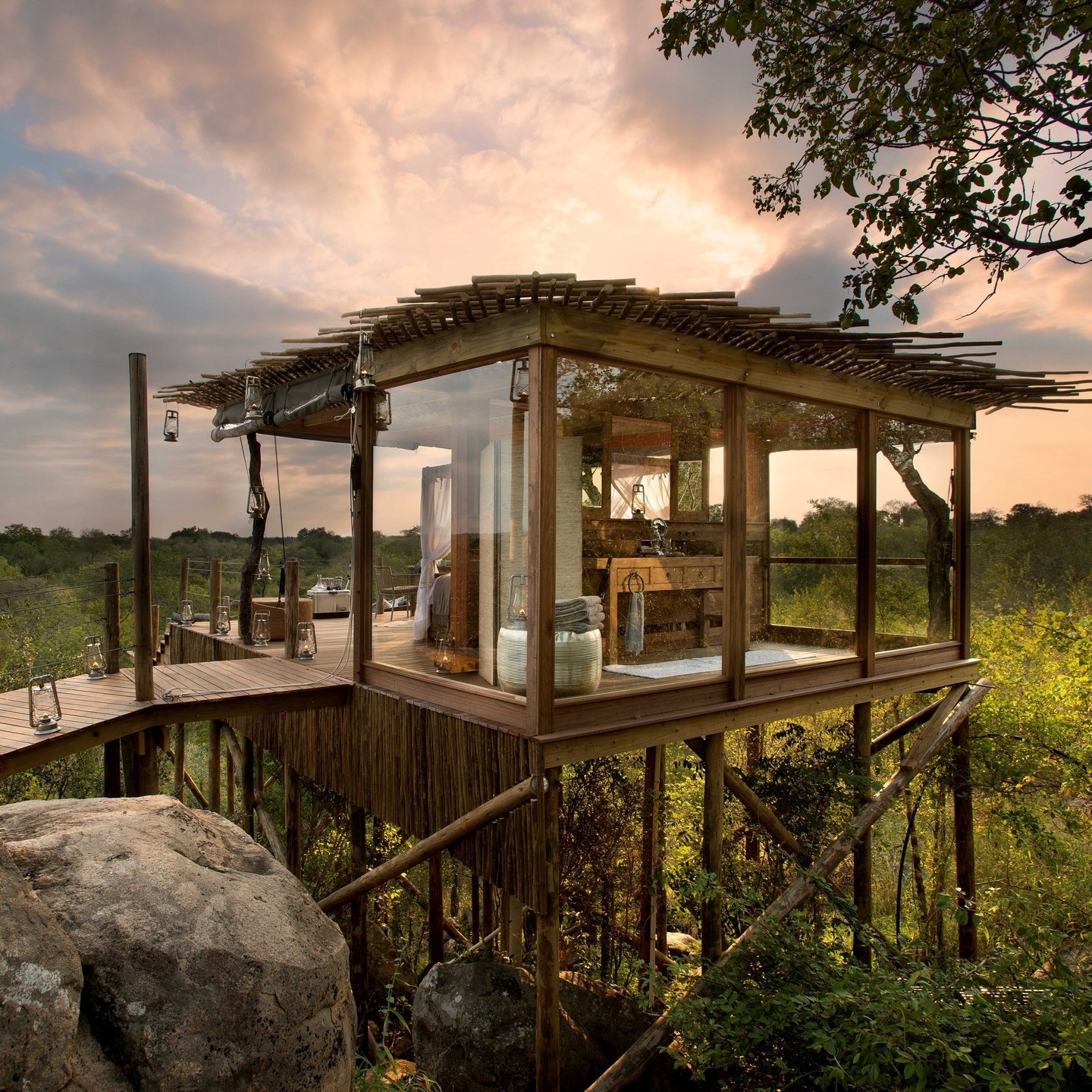
Treetop suite in game reserve at the Lion Sands lodge, South Africa

Photo credit: @lionsandsgamereserve on Instagram

Across Africa’s safari countries, there are remote properties a drive from official game reserves and properties set within them. Staying in a safari lodge within a national park or protected reserve means you’ll see animals wandering through the grounds, or past the infinity pool, rather than limiting sightings to your daily game drives. On Luxury Gold’s Spectacular South Africa tour, ideal for safari photography, guests stay right within the boundaries of Kruger National Parks and Sabi Sands Reserve, at the elegant Lion Sands lodge.


Time it right

Photograph of safari animals in silhouette at sunset. Wildlife photography.

Once in the bush, use the times of day to your advantage, says Smart. “Think of photography as painting with light,” she advises. “If you keep the sunlight behind you, the animal will be lit up and the sunlight reflected back in their eyes, bringing your subject to life. The ideal times of day are an hour after sunrise or an hour before sunset, when the sun is low in the sky ‒ these times give a soft, diffused light we know as ‘golden hour’.” If you’re shooting in bright sunshine, she adds, find some shade to stand in to give your shot a less harsh effect.

We also think you’ll like: Private game drives and five-star stays: How Luxury Gold does safari differently


Focus your shot
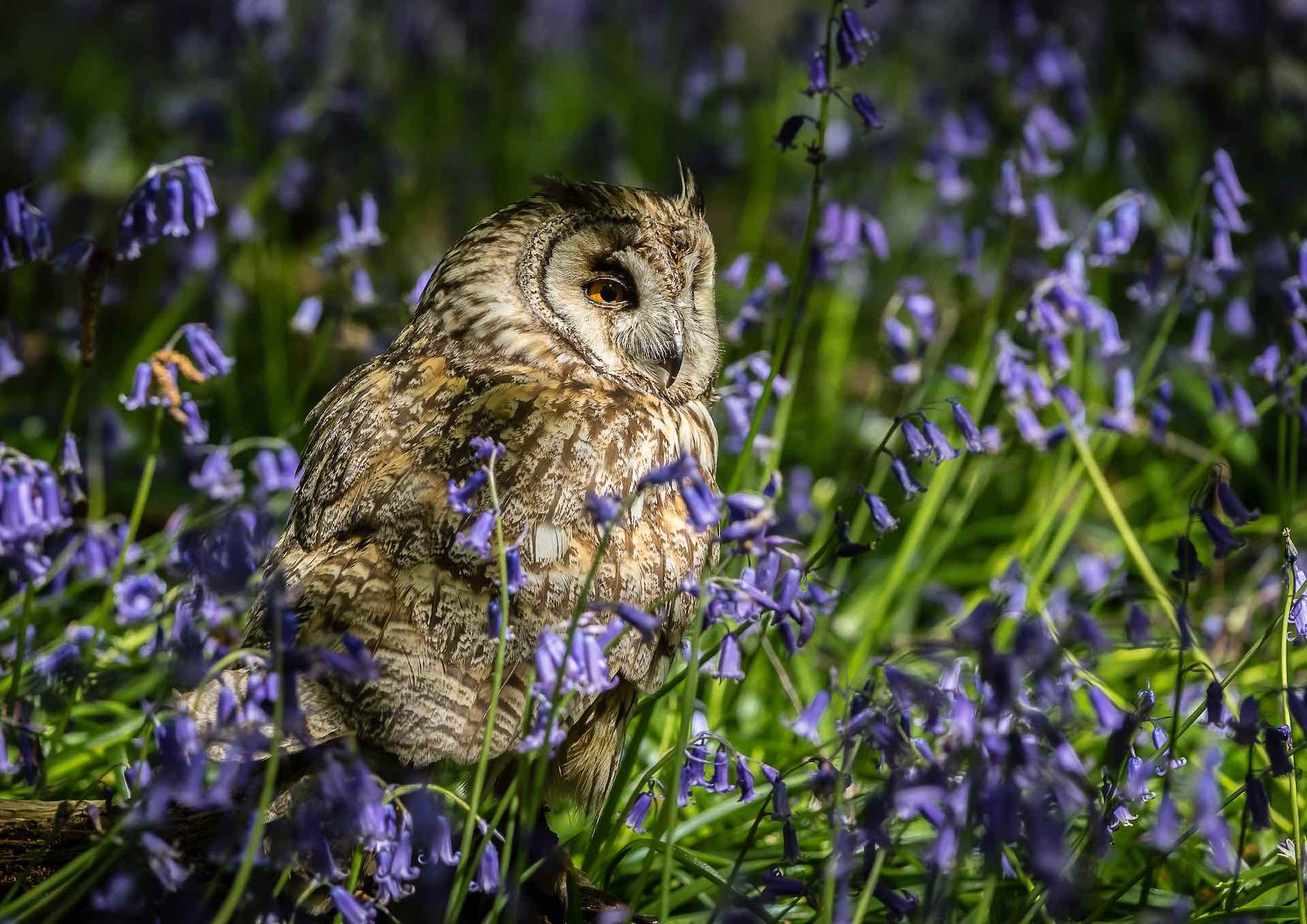
Close up of an owl in focus against purple flowers. Wildlife photography.

Knowing where to focus your photo is vital, says Smart. Blur is always a risk when you’re dealing with living, moving creatures. “To make your photographs ‘pop’, set the focus point on to the animal’s eye closest to you,” she shares as one of her top wildlife photography tips. Don’t be afraid to contort yourself in order to get the best angle, either ‒ that’s what makes the most unusual and striking wildlife photographs. “Get yourself at eye level to the animal to make a connection: so if it’s a small animal get down on the ground, and if it’s a large animal stick your head out of the top of the jeep or (if you can) climb a tree.”


Know your kit and settings

A man holding camera up to eye taking a shower in a field

Safari photography experts know that knowing your camera inside out is the quickest way to the clearest, sharpest and most striking wildlife photos. Smart favours a Nikon D7200 with an 18-300mm zoom lens. “I like light cameras and a light lens, so I don’t need a tripod ‒ I can quickly grab the shot, as animals, such as scurrying warthogs, don’t tend to stand still. It fits easily into hand luggage and is dust and water-resistant.” The benefit of a zoom lens, she says, is the ability to focus close up on a creature, yet keep your distance to avoid disturbing them. For a good basic set-up for your first shooting session, she says, “switch to Aperture Priority f5.6, focus on the animal’s eye and set the camera to automatic ISO.”

We also think you’ll like: How to safari in style: The ultimate packing guide


Start with the slow ones
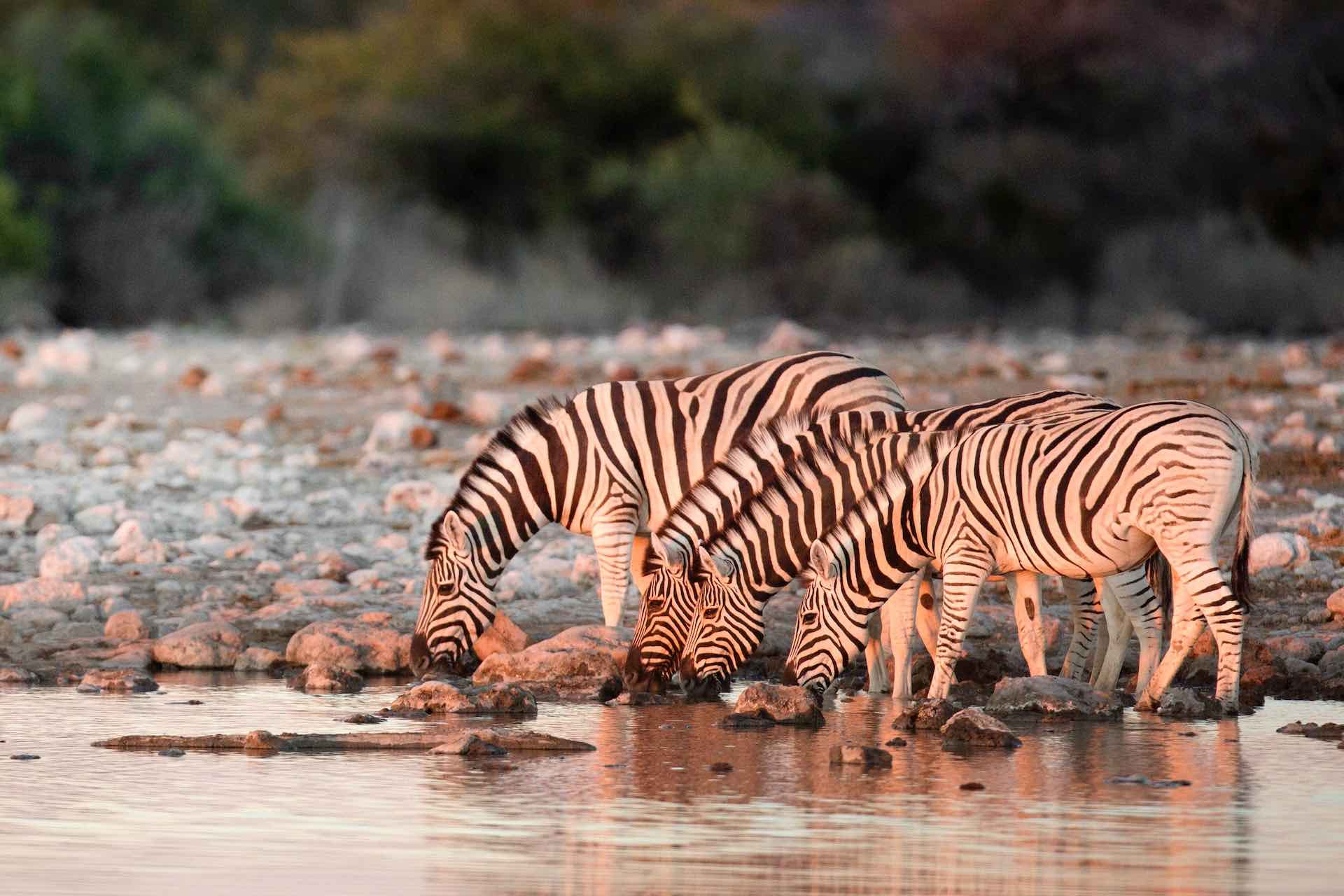
Four zebras drinking water from a river. Wildlife photography.

Different rules apply for different subjects on safari. “The easiest animals to photograph are the ones that don’t move too quickly!” says Smart. “Elephants, big cats, zebras, crocs, giraffes, rhinos all tend to stand their ground if you’re quiet and give them room. I love to photograph giraffes & monkeys as they have such expressive faces. Monkeys are going to lead you on a merry dance but that’s fun, too.” They may not seem as exciting as big game, but photos of birds in flight can be striking. They might even give you a rather unappealing clue. “Birds tend to poop just before they take off, so look out for that so you can catch them.”


Ignore smartphone snobbery
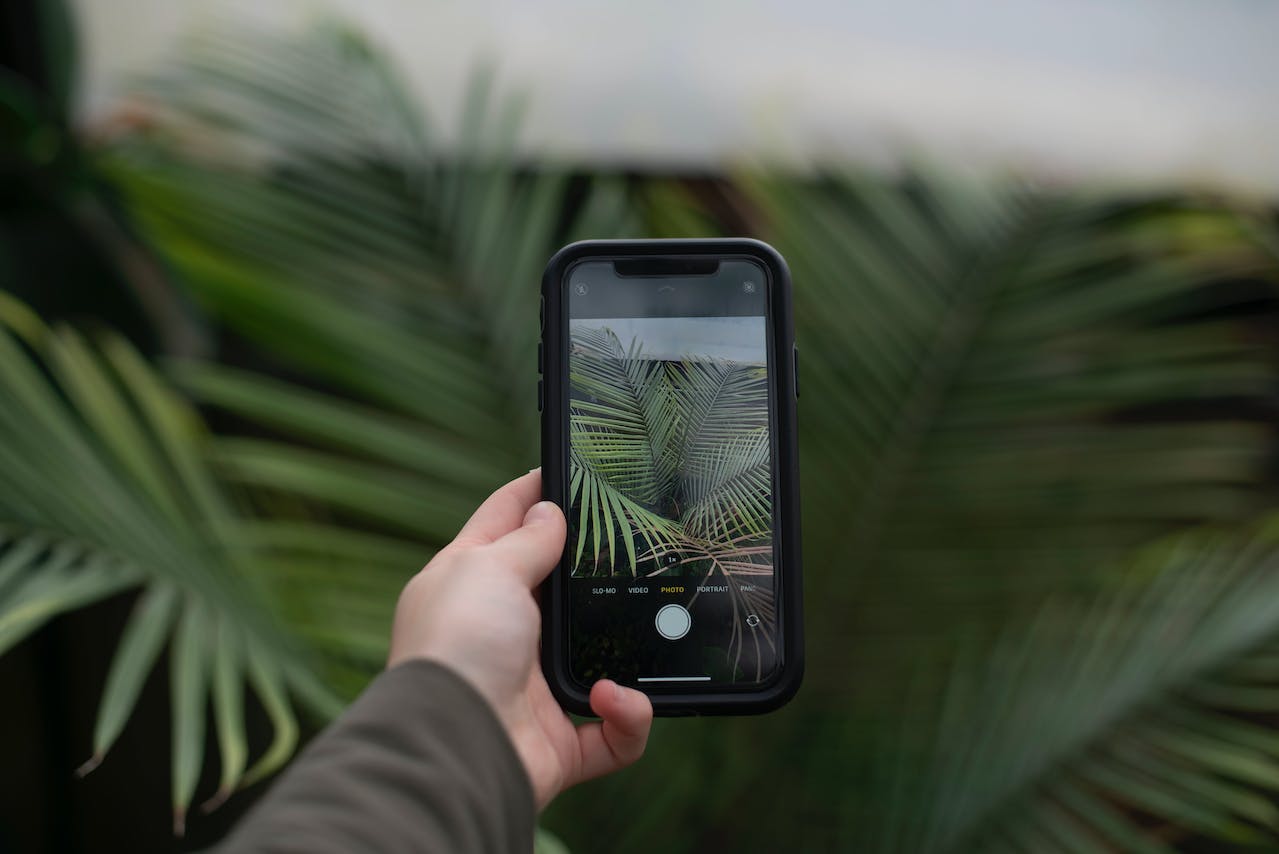
An iPhone taking a photograph of palm leaves

It’s a myth that only hefty DSLR cameras can capture a lion’s mane or an elephant’s wrinkly ears in full detail. In fact, current smartphones have incredibly refined cameras; the time they tend to fail users is at dimly-lit dusk (or dawn), when the light is lower. In full sunlight, don’t be afraid to use your iPhone or Android to capture some animal magic, says Smart; for one thing, you won’t need to play with the settings as much. “If the harsh, bright sunlight of the middle of the day is beating down, and you get a great encounter, such as standing face to face with a friendly rhino, you’re better off whipping out your smartphone or, if you prefer a ‘proper’ camera, turning your DSLR onto automatic settings.”

We also think you’ll like: Wild at Heart: Why winter is the best time to visit South Africa

Luxury Gold’s Spectacular South Africa tour includes a three-day safari in the enchanting Kruger National Park.

Share:
Reading time: 5 min
Cuisine

Inside Vancouver’s Only Indigenous Restaurant, Salmon n’ Bannock

January 20, 2024 by Leanne Williams No Comments
Small wooden patters encircle a central black dish, all full of colourful traditional food at Salmon n Bannock

Food is not just about great taste and nutrition. It can also tell a story of history and heritage in the most vibrant, flavorsome and captivating way. You’ll discover this and more when you dine at Salmon n’ Bannock, the only Indigenous-owned and operated restaurant in Vancouver.

Coming together at the gathering place created by proud Nuxalk Nation’s member Inez Cook, you’ll savor traditional and authentic Indigenous foods and flavors, passed down by elders. As the founder and owner of Salmon n’ Bannock, and the author of children’s book ” The Sixties Scoop”, Inez Cook is an incredible educator and an advocate for Indigenous people in Canada. This is her story…

Dine at Salmon n’ Bannock, a MAKE TRAVEL MATTER® Experience, on: Majesty of the Rockies

The story of Inez Cook

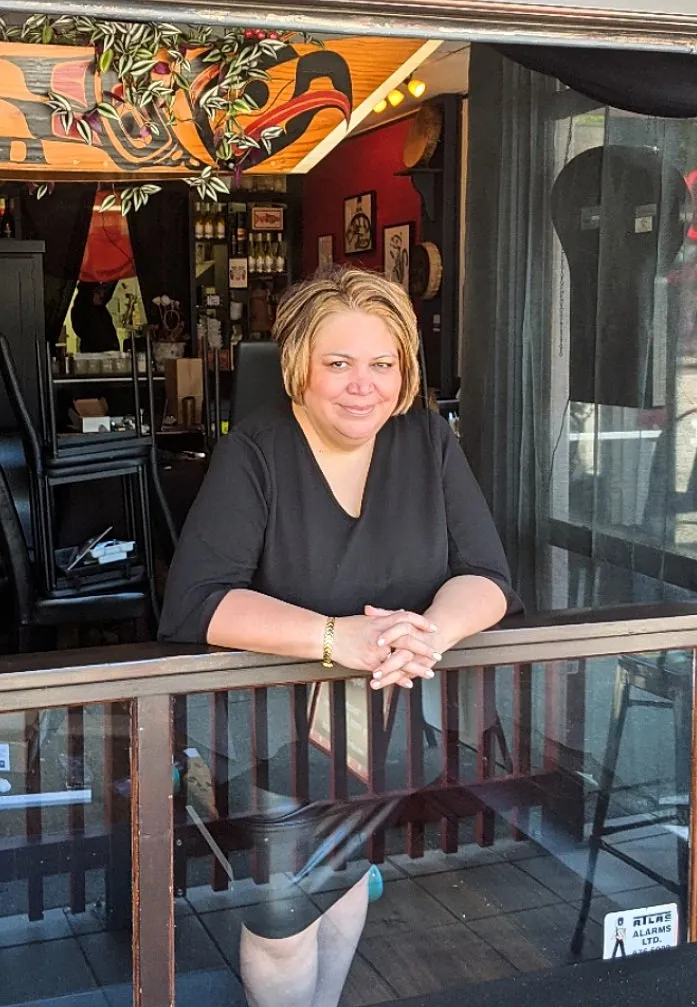
Salmon n' Bannock owner Inez Cook leaning on a railing inside the restaurant

Inez Cook was born in Bella Coola B.C., a proud member of the Nuxalk Nation, one of the first Nations of Canada. When she was just one year old, she was forcibly taken from her mother by the Canadian Government and given to a white family to raise in Vancouver. 

Cook was one of an estimated 20,000 Indigenous children stolen under the Sixties Scoop, a government policy of cultural assimilation and systematic erasure beginning in the 1950s and lasting until the 1990s. There were also cases of child welfare services selling Indigenous children for tens of thousands of dollars to white adoptive parents across Canada. To this day, the true number of victims remains unknown as many forced adoption records were destroyed or disappeared. 

While Cook says she is one of the lucky ones who had a loving adoptive family, she said she always felt out of place and had no information about her biological family while growing up. She knew she was adopted but did not know she was born Nuxalk, or that she was stolen from her parents in Bella Coola. 

You may also be interested to read: Uncovering Indigenous history with Canada’s Warrior Women

The inspiration behind Salmon n’ Bannock


Vancouver photographed from the air at sunset, with rain clouds sweeping across the skyline

As Cook grew into adulthood, she felt a strong yearning to learn about her Indigenous heritage. Food became the major catalyst for her reconnection with the Nuxalk Nation. As she worked in different food industry jobs over the years, she realised there were no Indigenous restaurants in the whole of Vancouver, and dreamed of opening her own restaurant. 

One day, Cook drove past the sign of Indigenous-owned Kekuli Cafe in Kelowna that read “Don’t panic…We have bannock!” (traditional Indigenous bread). That sign inspired her to make the decision then and there to open a restaurant that would pay homage to her Indigneous heritage. 

Cook wanted to create a space that represents Indigenous foods, traditions, and culture with pride. She wanted to build a gathering place where people could come together to share food and stories. In 2010, Cook achieved this dream, opening her restaurant, Salmon n’ Bannock. 

Bookmark for later: A guide to Vancouver – where to dine, sleep and explore

The Salmon n’ Bannock menu

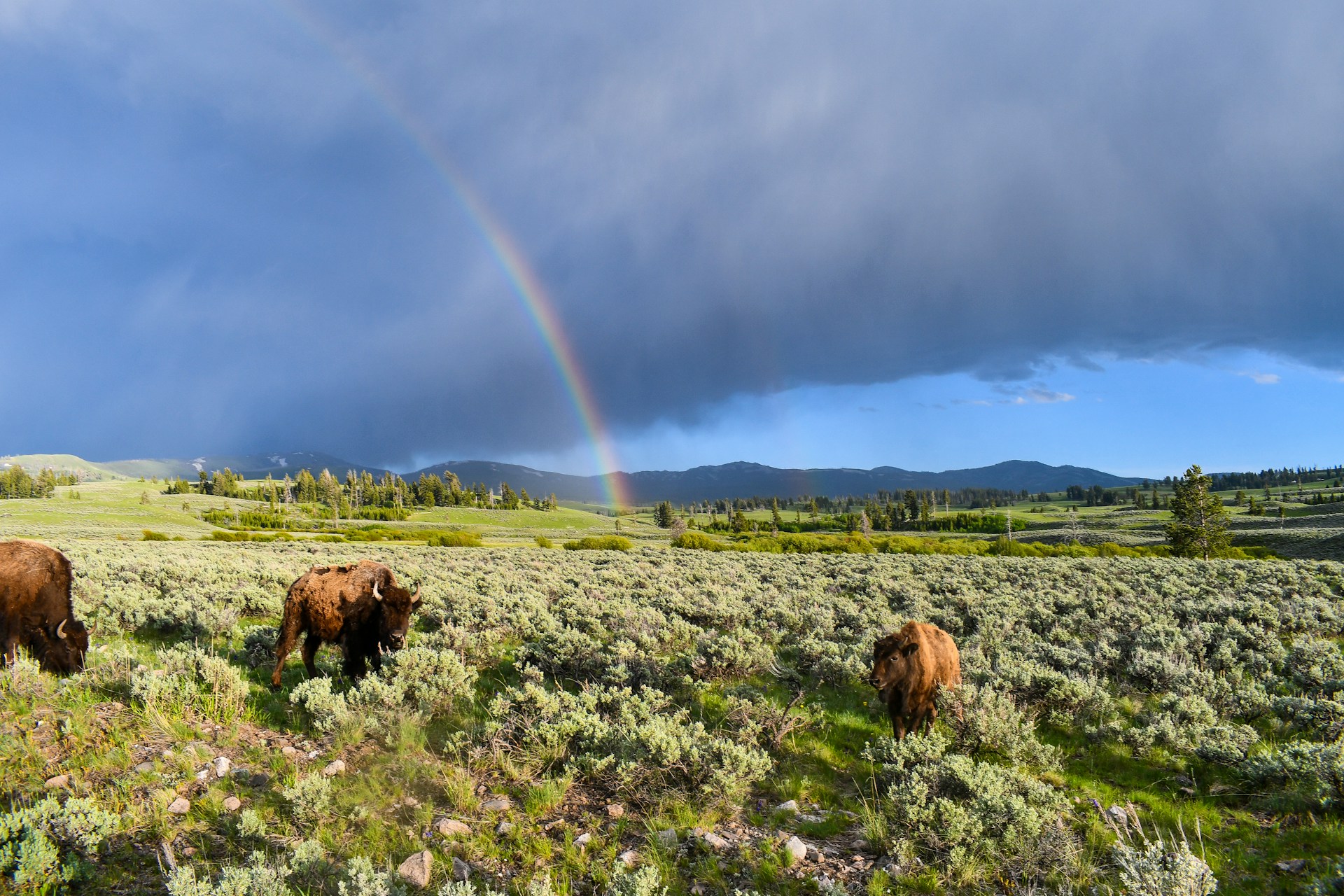
Bison standing in an open prairie with rain clouds and a rainbow in the background

After months of research and learning about First Nation cooking techniques and native ingredients, Cook built a remarkable menu. She wanted the restaurant to showcase traditional methods like smoking and preserving food. She also wanted to use Indigenous foods and dishes that First Nations people traditionally hunted and harvested. Her menu includes foods like bannock, bison, wild sockeye salmon, game meats, maple syrup, wild boar, and Ojibway wild rice. Cook would use seasonal and foraged ingredients and even bought wild huckleberries from a First Nations elder who carried a gun in case he needed to scare off bears while foraging.

Cook says she learns more about Indigenous dishes and foods every day at Salmon n’ Bannock and that the restaurant does not represent any one First Nation. Instead, it’s a thoughtful and authentic menu of Indigenous food. It’s also a celebration of Cook’s heritage and identity – a proud Native woman. 

A must read for food lovers: Mind the culture gap: The chefs who make worlds collide through food

Indigenous dishes with modern influences

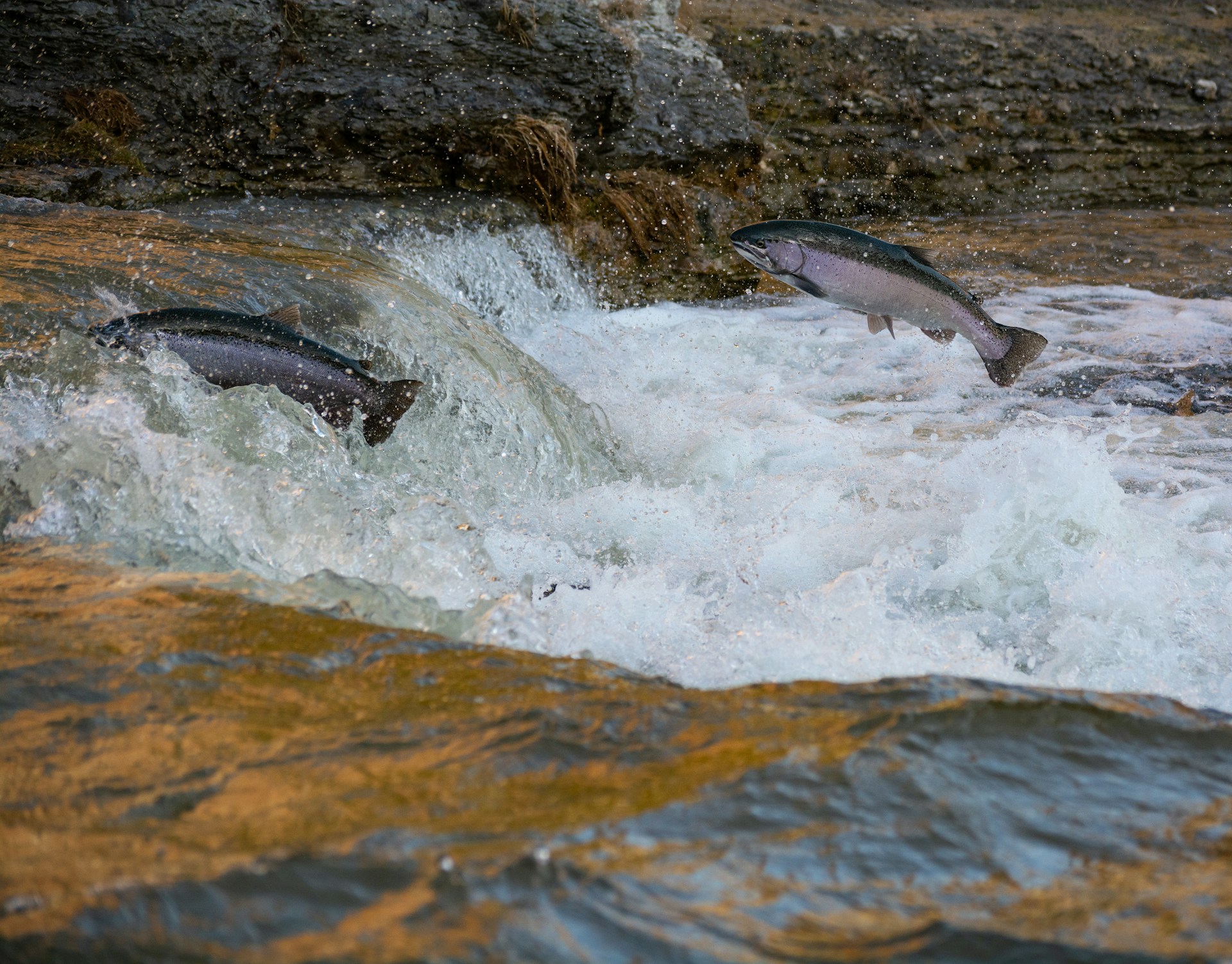
wild salmon swimming up a waterfall

Cook then took the traditional ingredients and dreamed up modern twists. Take pemmican, an important Indigenous food, traditionally made with dried meat and berries. Cook has revived this dish by making a delicious, rich Pemmican Mouse. It’s made with smoked and dried bison mixed with sage-blueberries and cream cheese, and paired with their perfectly toasted bannock.

She also transformed wild sockeye salmon into the Urban Salmon Burger, served with signature bannock, lemon aioli and house made pickles. Salmon is spiritually significant for many Indigenous people as it represents the Circle of Life in the way it is born in freshwater, lives in saltwater, then returns to freshwater to spawn and die. Cook marinades and smokes the fish using dry white sage, a sacred herb used in smudging practices in important ceremonies. Freshly baked bannock bread is then symbolically split in two to form the bun for the salmon. The breaking of the bannock shows that everyone is welcome at the table here. 

You may also enjoy reading: Why journeying through the Rocky Mountains will stay with you for a lifetime

The beauty of Bannock

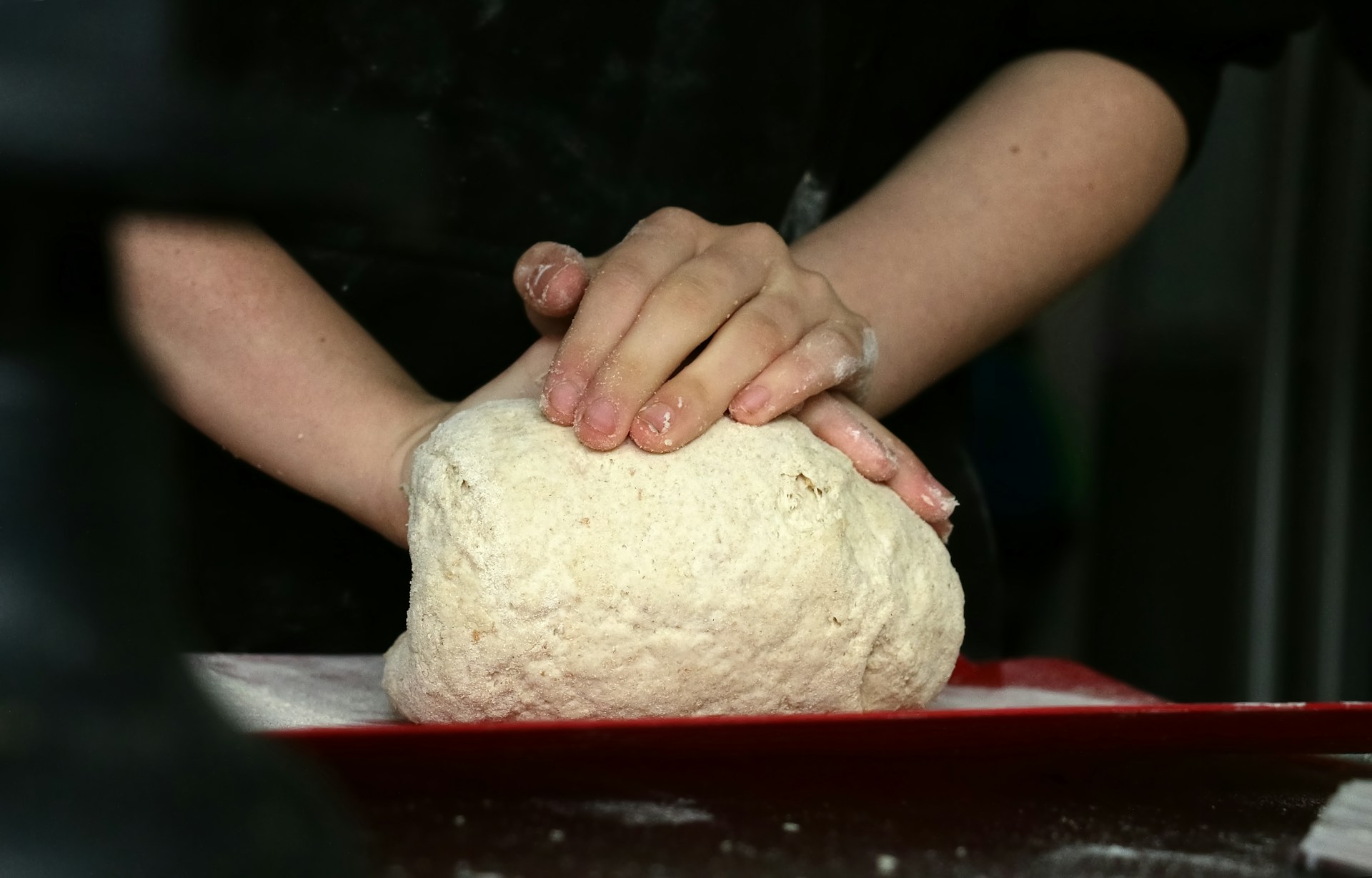
Close up of hands kneading bread

Bannock, which plays a starring role in this aptly-named restaurant, is a traditional Indigenous food with a complex history entwined with colonialism. Scottish fur traders first introduced a version of bannock to Canada, however, Indigenous peoples adopted bannock and it’s made differently all over the country. Bannock plays an important role in Indigenous cultures and is an essential dish at potlatches, a traditional ceremony and feast for First Nations communities. 

In British Columbia, bannock is known as the “Aboriginal staff of life” and cultural knowledge and stories are often shared over a basket of bannock. It’s a cultural tradition and a staple comfort food made in many different ways. At its most simple, it’s a mix of flour, water, baking powder and salt, and it can be fried, baked, or cooked on an open fire. It can be pillowy soft and deliciously crumbly. 

Cook has her own fond memories of bannock. She used to make it at summer camp as a child, cooked over the fire and drizzled in corn syrup. Today, Cook’s signature bannock embraces the diversity of this dish. She serves it scone-like with butter and berry jam and as crackers with salmon mousse. She whips it into a bun for a wild samon burger, and as bread topped with mushrooms, melted brie, sage-blueberries and bison gravy. Cook says that Indigenous people all made some kind of bread, pre-colonialism, and today she makes bannock to reclaim this Indigenous dish. She wants her food to be seen as a proud declaration of Indigenous food and culture.  

Bookmark for later: In Canada’s Rocky Mountains, Natural Wellness and Luxury Go Hand in Hand

How the restaurant helped Inez Cook find her family

Stanley Park totem poles, photographed from a low angle looking up

First Nations totem poles stand tall in Vancouver’s Stanley Park

As more First Nations members began visiting the restaurant to try out the food for themselves, Cook was questioned by Nuxalk peoples on her authenticity. After sharing her biological mother’s name – Miriam – with a Nuxalk woman, Cook’s uncle soon showed up. He told Cook he’d been looking for her for a while and had promised her mother Miriam he would find her one day. 

Sadly, Cook’s mother had passed away before she could meet her, however, Cook’s uncle gave her restaurant a Nuxalk blessing and invited her to her community for an emotional three-day potlatch. There she reunited with her Nuxalk Nation and was able to meet hundreds of relatives. She also received her regalia and traditional Nuxalk name, Snitsmana, which means “protector of the sacred dance, and lively”. Through this experience, Cook was able to learn about the culture and traditions of the Nuxalk. She felt she could embrace her Indigenous roots, all while gaining a sense of belonging and new understanding about herself. 

You may also enjoy: How We’re Setting the Gold Standard for Sustainable Luxury Travel

Educating through food

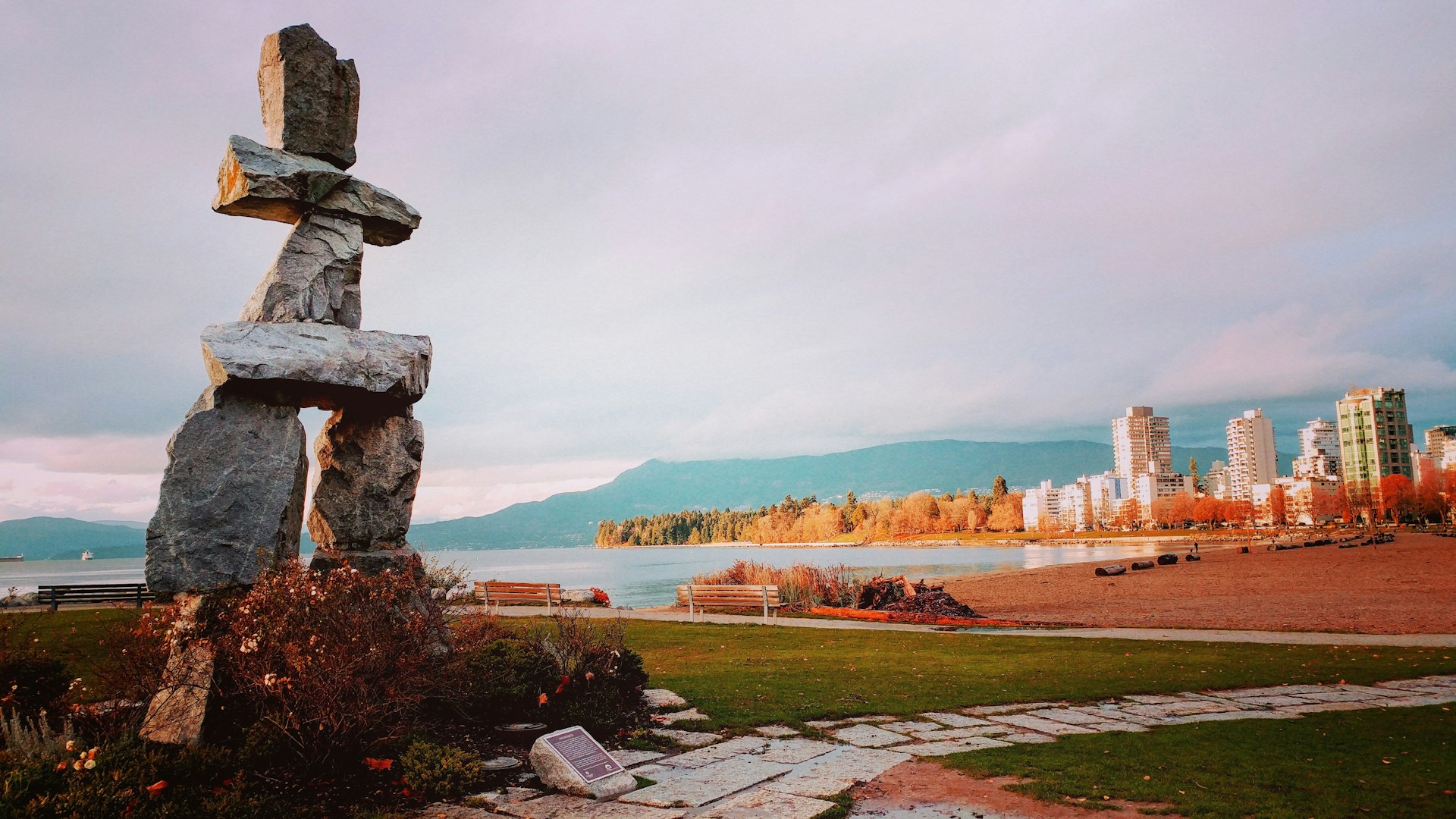
The Inukshuk statue in Vancouver's English Bay

The Inukshuk statue in Vancouver’s English Bay. This symbol was used by the Inuit people to mark the location of essential resources, such as hunting grounds.

Over the last 12 years, Salmon n’ Bannock has remained Vancouver’s only Indigenous-owned and operated restaurant. It’s one of the best establishment’s on the city’s dining scene, and exclusively hires Indigenous and First Nations staff. Her team includes members of Nuxalk, Carrier Sekani, Cree, Haida, Long Plain, Muskoday, Ojibway, Pinaymootang, Squamish, Tsimshian, and  Quw’utsun Nations and Indigenous groups, along with a Maori employee from New Zealand.

Cook also uses the restaurant to educate and advocate through food. In 2018, she and Jason Eaglespeaker published “The Sixties Scoop”, a children’s book that shares the truth about Canada’s genocide. Cook says she never learned about this at school when she was growing up and believes the best way to educate future generations is by teaching children. 

If you like to relax on the rails: 7 of the world’s most luxurious train journeys

For travel inspiration: USA & Canada tours

Indigenous food sovereignty

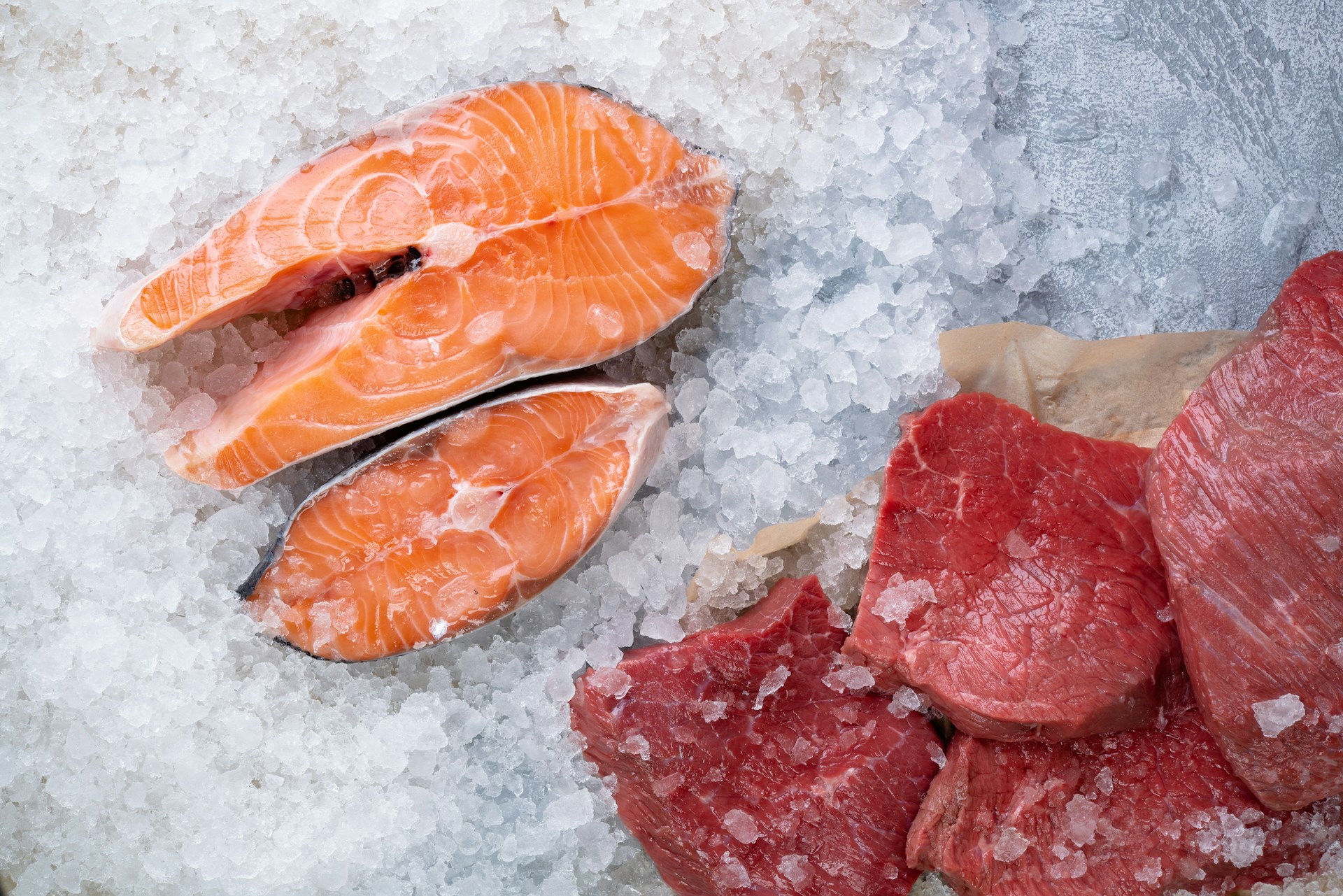
Photograph of meat and fish on ice

Cook says we still have a long way to go in fighting misinformation and achieving food sovereignty for Indigenous communities. She says that some foods, like wild game, still have to go through several strict regulations before they can be served. With over 600 Indigenous nations across Canada, she says it’s absurd that Indigenous people are not allowed to serve their traditional food. Cook says there needs to be commercially approved kitchens in all Indigenous communities so health inspectors will approve them of serving these foods. 

Bookmark for later: Luxury travel experiences you need to book in 2024

Indigenous land acknowledgements

Cook also campaigns for airlines to include a proper land acknowledgement in their pre-touchdown announcements when arriving into Canada. She also wants the “Welcome to Vancouver” sign to include the recognition that the city is set on the unceded territory of the Coast Salish Peoples. They were the original inhabitants for 9,000 years before the Europeans landed here, and they never ceded or signed away their land. Cook says that land acknowledgement is a small but significant step towards showing respect for Indigenous people and righting past wrongs. 

Read more about Canada: The Most Beautiful National Parks in Western Canada

Breaking bannock – the spirit of Salmon n’ Bannock

Food is something that has always brought people from all cultures together. This is particularly true for Cook, for whom food has led her to reconnect with her family and culture. She dreams of the day that Indigenous restaurants are no longer a rarity in Canada and wants Indigenous food to become part of the common dialogue – as regular as going for burgers, sushi or tacos. She envisions her restaurant being a place where people can learn about Canada’s First Nations people, by sharing stories and traditions through food. 

So when people come to her restaurant to break bannock, they’re not only tucking into a beautiful meal – they’re helping to preserve and celebrate Indigenous cultures.

Would you like to experience Salmon n’ Bannock? You’ll visit this fantastic restaurant on our Majesty of the Rockies luxury guided tour on a MAKE TRAVEL MATTER® Experience, where you’ll break bannock over a delicious Celebration Lunch made with traditional ingredients and flavours.

Share:
Reading time: 9 min
Europe, Luxury Journeys

Sunshine on a plate: Travel Concierge Dom on his love of Iberia

January 17, 2024 by Leanne Williams No Comments

To dream of Iberia is to dream of passion, culture and exceptional cuisine. To elicit the true essence of Spain and Portugal, there’s no one quite like your Luxury Gold Travel Concierge.

More than a local expert, they live and breathe your destination. Offering a personal, tailored service, combined with a black book of contacts known only to locals, they make our limited-edition journeys exceptional.

Here, Travel Concierge Dom shares his passion for Iberia, what makes Spain and Portugal so unique and tells us how to savor the best of this exceptional region.

For travel inspiration read our destination guides: Spain and Portugal

Why Iberia has my heart

Travel Concierge Dom smiling and wearing a navy suit jacket

“My love of travel, and of Iberia, started young when I would travel to Spain on family holidays,” Dom tells us. “As a kid I loved the differences, the foreignness, the desire to explore another culture. And at that age it involved making friends with the local kids, joining in crab fishing on the beach, for example. Despite not understanding the language at the time, I found I had a natural ability to assimilate, and I developed a yearning to know and experience more.

“As I got older, I became addicted to seeing other cultures and comparing them to mine. Iberia was a natural gravitation. It’s sunny, the people are great. I’m really interested in the history and the culture, and I really enjoy sharing this love with others. My love of travel grew, ultimately leading me to become a Luxury Gold Travel Concierge.”

 Discover Iberia on: Spain & Portugal in Style

 An exquisitely crafted itinerary

Aerial shot of Lisbon showing red and white houses with a chateau on a hill and water in the background 

“The Spain & Portugal in Style itinerary is so well curated,” says Dom. “You go from the Mediterranean to the Atlantic, from Barcelona through Southern Spain and over to Lisbon. ‘You see the capital cities and all the big hitters, and there’s plenty of free time to appreciate what else each location has to offer as well.

“Harnessing the true passion of Iberia, a highlight for guests in Seville is a flamenco dance lesson and performance at the Christina Heeren Foundation. I’ve seen many flamenco shows but this is just another level of excellence. The dancing and the musicians, they are the top of their game, literally the best artists in the world.”

Read more about this exclusive flamenco experience: Discovering the Soul of Spain with Alexandra Hoffer in Seville

Spain and Portugal – alike yet unique

Torre Belem in Lisbon, Portugal at sunset

“The history of Spain and Portugal differs to the rest of Europe,” Dom explains. “These distinctive cultural influences, garnered from an eclectic peopling of Iberia, mean that today they have their own way of doing things. Both countries are very European, but at the same time there’s a unique look to their architecture, their food and so forth.

“Spain and Portugal then differ from each other, through influences from their respective explorations and empires. Portuguese also sounds very different to Spanish, and the people are often a bit more reserved, particularly compared to those in southern Spain.

“A key part of my role is to bring the history to life for guests, along with guiding them through the nuances and differences. I love sharing these stories as we travel between locations.

“As you cross the border and travel into Portugal, changes are subtle, such as seeing road signs in a different language. Then once you start to travel onwards through the countryside, the Atlantic influence reveals itself in the flora and fauna.”

You may also be interested to read: Connect With the Natural World Through These Exclusive Experiences

Iberian food culture – a perfect fit for small group travel

Aerial shot of hands chinking wine glasses, with tapas below

“On Spain & Portugal in Style we’ve got some outstanding restaurants, and many ways to enjoy food, from Michelin-starred dining to a cooking class,” Dom tells us. “Food in Iberia is such a big thing; the culture revolves around the cuisine and dining experience.

“I love how Luxury Gold guests really adopt the culinary culture of the places that we’re going to. Just like the Spanish and the Portuguese, we have long lunches and big sociable dinners.”

My foodie highlights – Spanish fine dining and local Portuguese fare

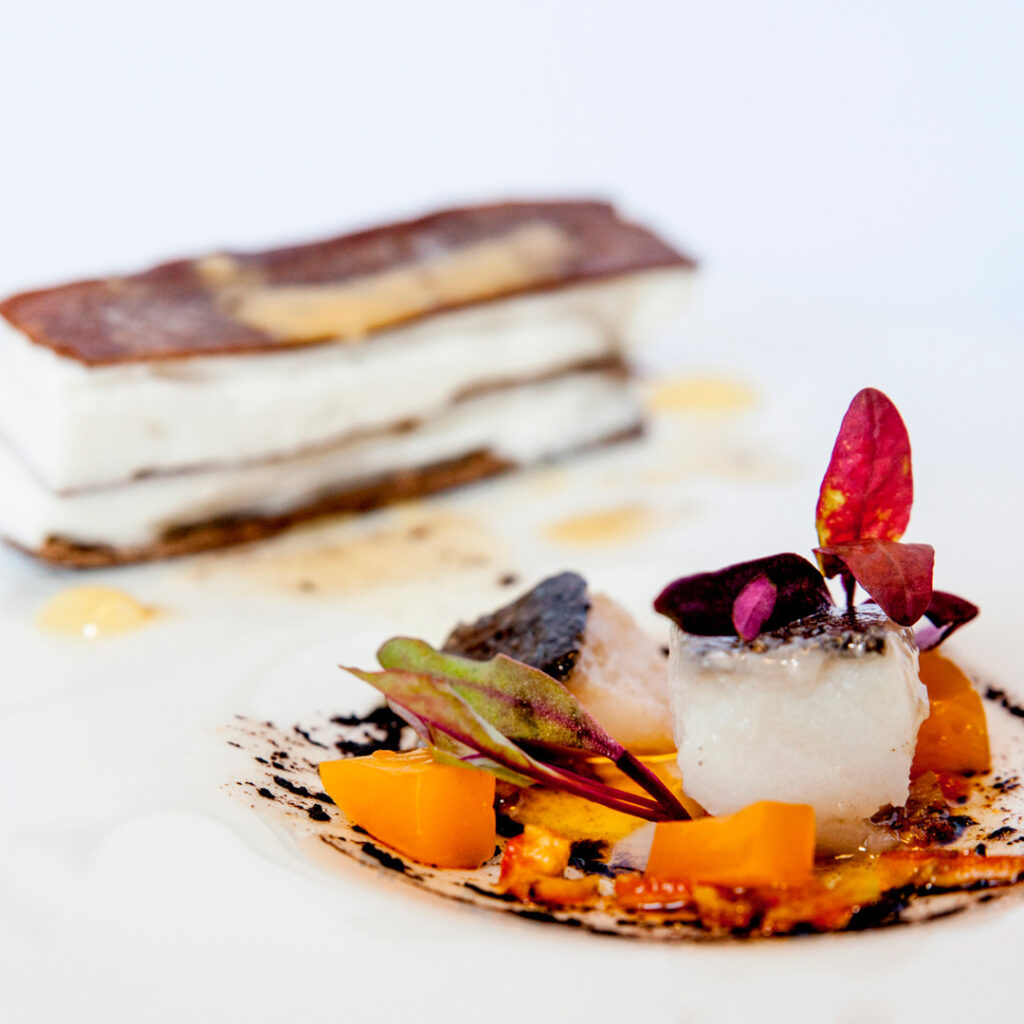
Fine dining dish of colourful ingredients

Credit: @lanticmoli on Instagram

“L’Antic Moli in southern Catalonia is definitely one of my highlights – Michelin-starred dining and a true Spanish cultural experience,” Dom says. “On my last tour we were there for three hours. Course after course of impeccable flavors and textures, and lots of talking; no one wanted to leave!

“In contrast, when we cross over into Portugal, we stop in a very small village called Serpa – the kind of place you wouldn’t know to go to. Here  as part of the itinerary, we experienced something very different in a local restaurant: Cante Alentejano polyphonic singing. The restaurant was rustic, with wooden tables and vegetables and meats brought out in big terracotta bowls, all accompanied by this wonderful authentic music. That is also one of my favorites and the contrasts just blow me away.”

Read more: Meet Michelin-star chef Vicent Guimerà of Spain’s L’Antic Molí restaurant

My favorite ingredients and dishes

“For me it’s all about the simple ingredients – the fresh Mediterranean salad for example is always a winner. I also recommend the tortilla (Spanish omelet) which I eat daily. In Spain you will find even the basic things are done in such a wonderful way. The Mediterranean diet is also of course very famous for its health benefits.

“My favorite Portuguese dish is a fish one, cod of course, the country’s specialty. There is a dish called ‘Bacalhau com natas’, a delicious combination of shredded cod with cream, sliced potatoes, onion and cheese, all baked in the oven, which is best washed down with vinho verde, green wine. And for dessert, the original, impeccable pastel de nata, custard tart. Yum!”

You may also enjoy reading: Cape expectations: how Travel Concierge Jameel makes South Africa sing

Savor seafood in Barcelona

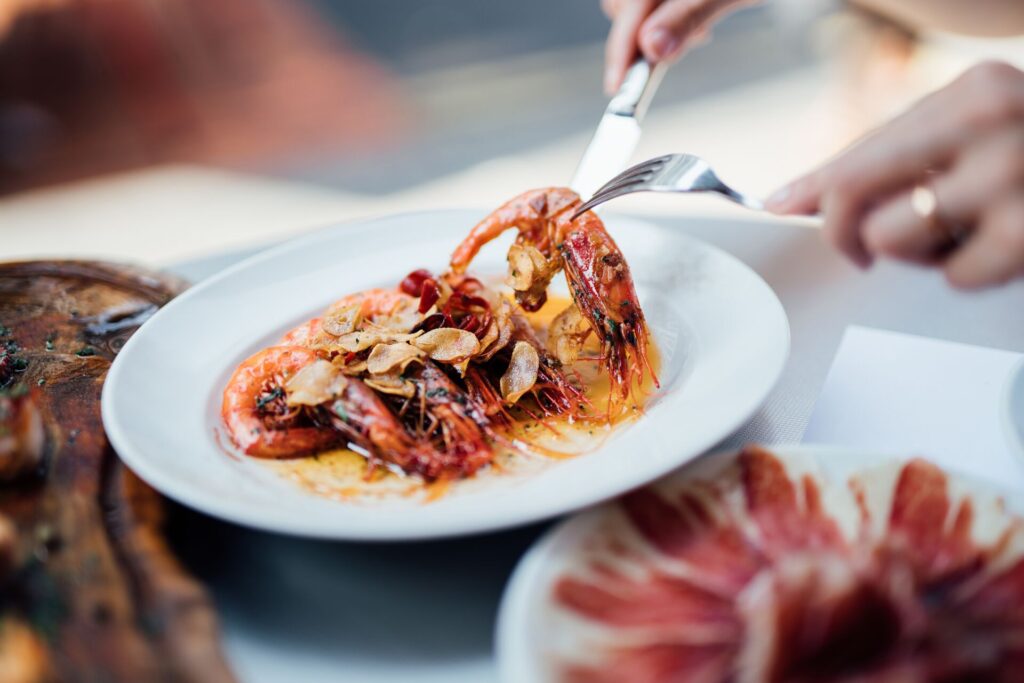
Spanish gambas served on a white dish

“Both Spain and Portugal have some of the most incredible seafood in the world,” says Dom, “and a great place to indulge is Barcelona.

“I used to live in Barcelona, so I know it well, and I recommend guests head out the seaside neighborhood of Barceloneta. This old fishing village is now home to multi-million dollar yachts and some outstanding eateries.

“The 7 Portes restaurant, which is 186 years old, is the ideal place for old school Barcelona food. It is famed for its rice dishes and paellas, tapas and traditional cannelloni.

“One of my favorite seafood restaurants is called Botafumeiro which is also not far from our hotel. The dishes here include warm spider crab pie, a Botafumeiro-style Spiny-lobster and grilled Palamós shrimps.”

For more Barcelona dining recommendations: For Fine Dining in Spain, This City Sets the Gold Standard

Indulge in Gaudi

The colourful mosaics of Pauk Guell in Barcelona, blue sky in background

Of course, Spain & Portugal in Style about more than food. Visiting all the top sights, the tour starts on a cultural high. “Whilst there we visit Gaudi’s iconic Barcelona masterpiece La Sagrada Familia with THE best local specialist,” says Dom. This unique modern temple has been under construction since 1882 and is not actually yet finished.

“All I can hear is guests saying, wow, wow and everyone has really sore necks because you always looking up in wonder! We also visit Park Güell up on the hill where Gaudi’s architecture meets his inspiration – nature.

“There are so many more outstanding buildings from Gaudi in Barcelona. So, with their spare time I often advise guests to visit these – the Casa Mila, the Casa Vicens and many others.

“Continuing on an art theme of recommendations for guests, Picasso grew up in Barcelona and lived very close to the previously mentioned 7 Portes Gates restaurant. The Picasso Museum houses an extensive collection and is well worth a visit.”

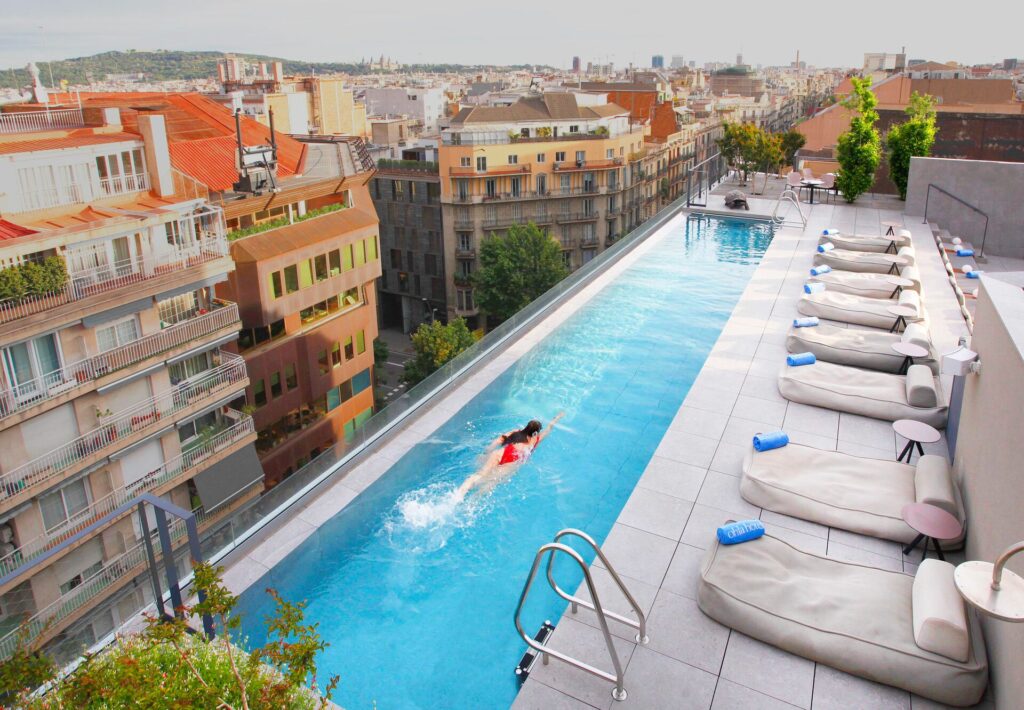
Bright blue rooftop pool at the Ohla Eixample hotel Barcelona

Luxury Gold guests can in fact rest their sore necks from admiring Gaudi and all these art works by booking a ‘Bath butler’ at the five-star Ohla Eixample where we stay whilst in Barcelona. Coming back after a long day and finding the perfect bath waiting for you: salts, candles, relaxing herbal tea or a bottle of cava. Just one of the exceptional hotels that are a hallmark of every Luxury Gold journey.

You may also enjoy reading: Hiding in Plain Sight: Incredible Artworks You Can Discover at Luxury Gold Hotels

My hotel highlight – Evora’s Convento do Espinheiro

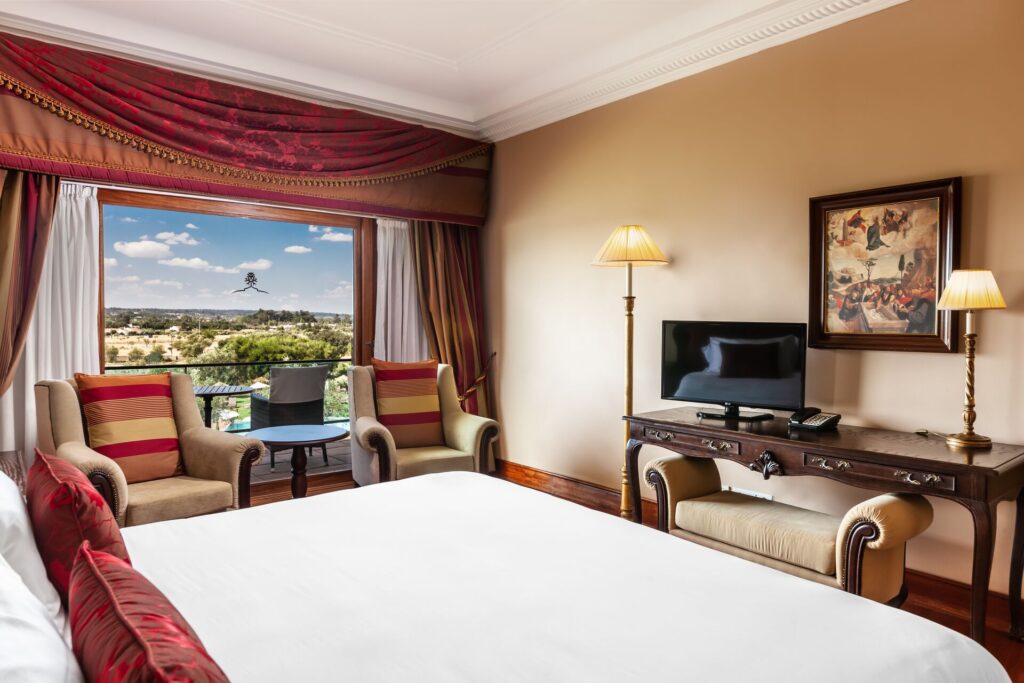
Bedroom of Ohla Eixample hotel in Barcelona whooping white bed lined, red and brown furnishings and a window view of trees and blue sky

“Each of the hotels is fabulous, and has their own style, but the one that always amazes me the Convento do Espinheiro in Evora, Portugal,” says Dom. The stunning 15th century building and gardens was once a convent, with rooms featuring antique or 1950s-inspired furnishings.

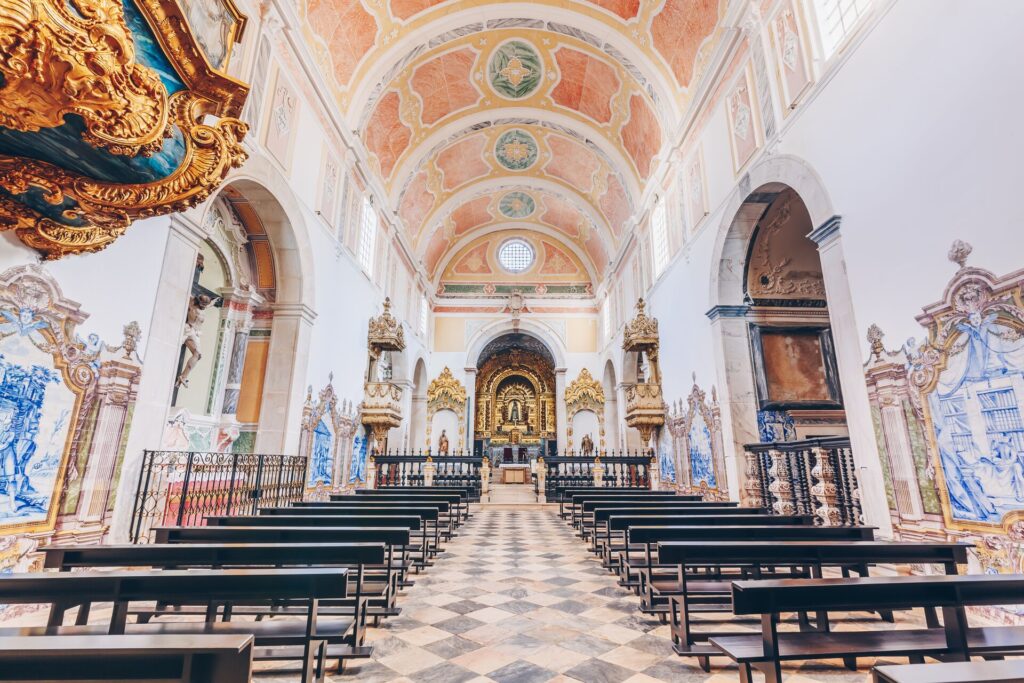
Ornate chapel with frescos of the Convento do Espinheiro in Evora, Portugal

“The cloisters and the chapel are still there, it’s quite remarkable. We have dinner in the Cellars where they used to make the wine and the olive oil. As well as the exceptional service, the uniqueness of staying in what used to be a convent is really special. You’d never think really to stay in in such a place.

Discover more of our exceptional hotels: 7 Luxury Gold hotels that have hosted royals, celebrities and more

Personalize your day in Madrid

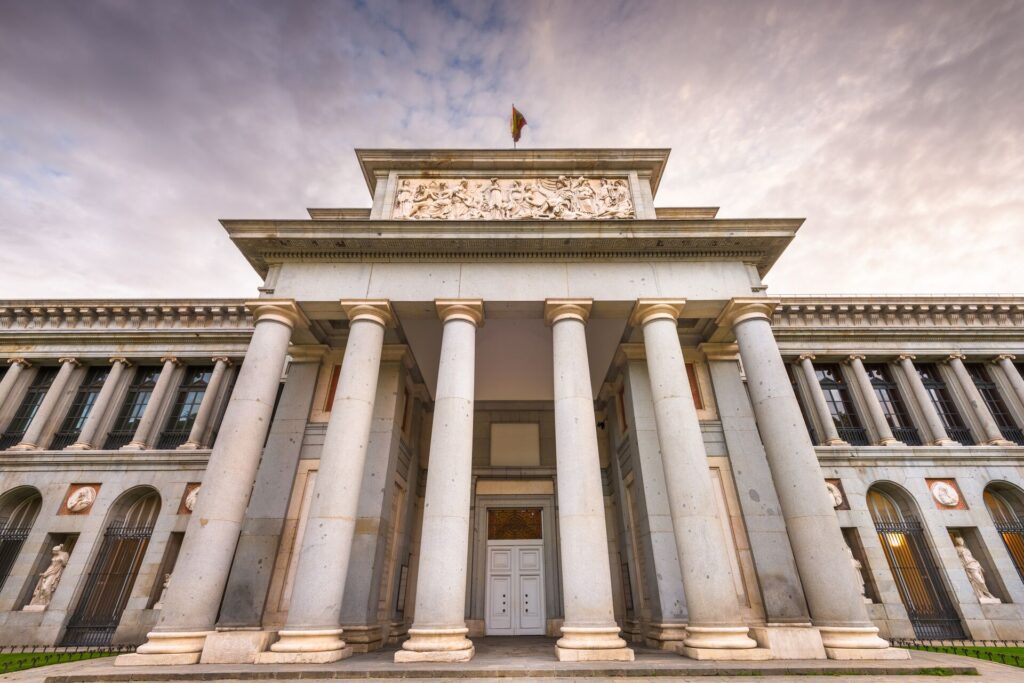
Marbel facade of the Prado Museum in Madrid

A key feature on all Luxury Gold tours are the opportunities for guests to personalize their day with a choice of two experiences. These offer contrasting ways to explore and experience your destination, each carefully curated with the Luxury Gold guest in mind,

In Madrid guests have the option to visit the Prado Museum with an art historian, or to take a walking tour through Madrid’s Old Town.

“For art lovers, or just those with an interest in Spain and its history this is the one to take,” says Dom. “In European terms Italy and France are famed for their museums but Spain often gets overlooked. The Prado is a world class gallery, and you can learn about the history and story of Spain from these masterpieces. There are the Royal portraits from artists such as Velazquez and Goya. There are also many international artists on display, Titian and Bosch, for example. There’s even a copy of Mona Lisa from DaVinci’s workshop. Not a lot of people know that.”

Colourful back streets of Madrid

“Then those who want to be a bit more active and see kind of the backstreets of Old Madrid and some kind of little secret corners there, the way to go would be The Walking tour. This is also the perfect opportunity to get churros, a highlight of any day!”

“In fact, on this day, people can do both experiences in Madrid if they want,” Dom adds. “This is one of the many benefits of our Spain and Portugal itinerary, and of small group journeys – the flexibility to adapt to how our guests may be feeling on any given day.”

You may also be interested to read: Why Spain Sets the Gold Standard for Art Museums

Visit Spain and Portugal or the ultimate luxury vacation with exceptional hotels and exquisite cuisine, on Spain & Portugal in Style, or choose from our worldwide collection of small group journeys.


Share:
Reading time: 9 min
Page 1 of 212»
12 Best Restaurants In Spain

12 Best Restaurants In Spain

October 22, 2024
The Ultimate Nature Retreat: Welcome To Milford Sound Lodge

The Ultimate Nature Retreat: Welcome To Milford Sound Lodge

November 25, 2024
These Are 2025’s Most Exciting Luxury Travel Trends

These Are 2025’s Most Exciting Luxury Travel Trends

October 27, 2024
Canada Unlocked: An Interview with Travelling Concierge Andrea Dionne

Canada Unlocked: An Interview with Travelling Concierge Andrea Dionne

March 21, 2016
5 Books to Inspire Your Trip to the British Isles

5 Books to Inspire Your Trip to the British Isles

May 23, 2019

Subscribe to Our Newsletter

Receive curated news, special offers and travel inspiration straight to your inbox.

Please note that the information you provide will be used solely for the purpose of this request.

Categories

  • Luxury Journeys
    • Europe
    • Africa
    • Asia
    • Australia
    • USA and Canada
    • Latin America
  • Make Travel Matter
  • Cuisine
  • Unwind
  • Concierge Tips

Tags

Africa Asia Australia Canada Croatia Cuisine Destinations Egypt England Europe Exceptional Dining Fine Dining Food France History Imperial Rajasthan India Ireland Italy Japan London Luxury Luxury Gold Luxury Hotels Luxury Travel Make Travel Matter New Zealand Peru Portugal Safari Scotland South Africa Spain Sustainability Sustainable Tourism Sustainable Travel Switzerland Travel Travel Concierge Travel Tips Travel Trends TreadRight USA Venice Wildlife

Search

Recent Posts

What to Wear in Venice: A Luxury Gold Packing List

What to Wear in Venice: A Luxury Gold Packing List

June 3, 2026
The 10 Best Restaurants in Lisbon, Portugal

The 10 Best Restaurants in Lisbon, Portugal

March 31, 2026

More About Luxury Gold

We invite you to embark on a travel experience unlike any other. Join us as we explore exotic lands and distinctive destinations, in exquisite style and comfort. At Luxury Gold, it’s our pleasure to make your next journey extraordinary. Allow us to share our unparalleled wealth of expertise and insights, accumulated over nearly 100 years as leaders in luxury travel.
Privacy Policy
Disclaimer
© Copyright 2023 Luxury Gold. All Rights Reserved.