Luxury Gold - Journey Beyond the Ordinary
  • Home
  • Luxury Journeys
    • Europe
    • Africa
    • Asia
    • Australia
    • USA and Canada
    • Latin America
  • Cuisine
  • Unwind
  • Concierge Tips
  • Make Travel Matter
Luxury Gold - Journey Beyond the Ordinary
Mobile Menu
Home
Luxury Journeys
    Europe
    Africa
    Asia
    Australia
    USA and Canada
    Latin America
Cuisine
Unwind
Concierge Tips
Make Travel Matter
  • Home
  • Luxury Journeys
    • Europe
    • Africa
    • Asia
    • Australia
    • USA and Canada
    • Latin America
  • Cuisine
  • Unwind
  • Concierge Tips
  • Make Travel Matter

Italy

Cuisine

How Do Restaurants Get Awarded a Michelin Star?

May 6, 2024 by Leanne Williams No Comments
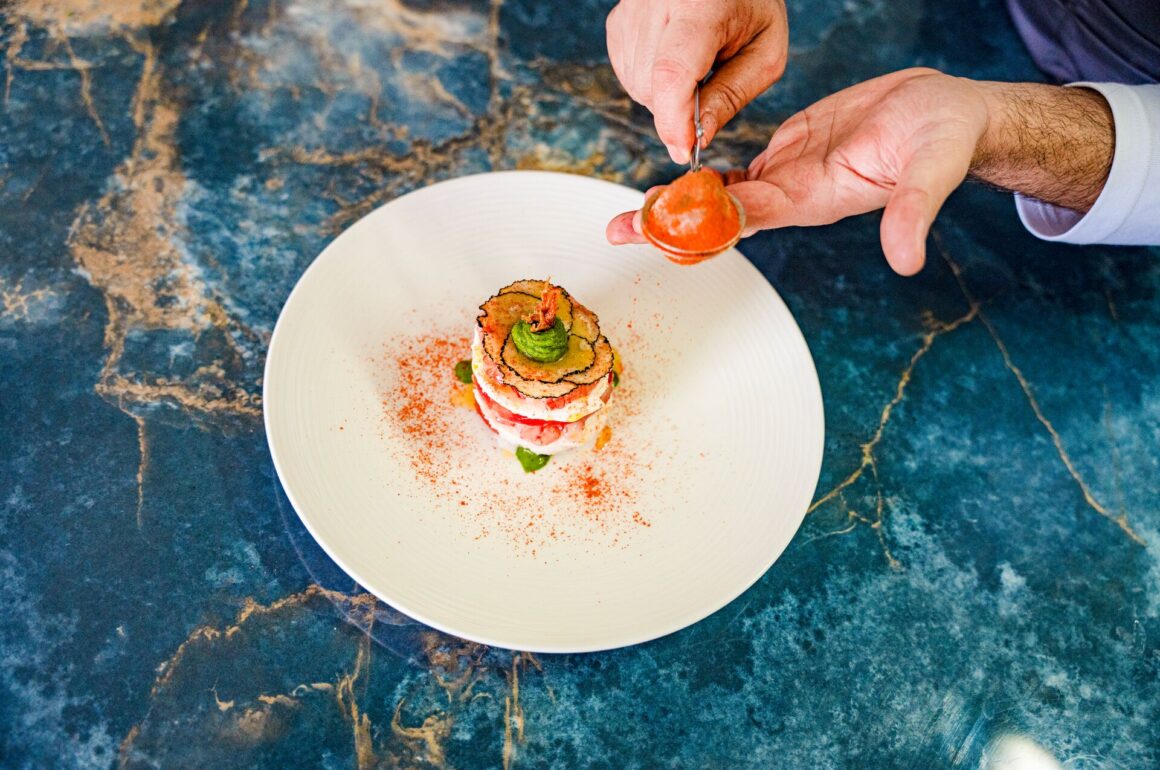
Tow hands prepare to place a tomato onto a delicate colourful stack of food on a white dish, on a blue marble tabletop

Some restaurants are just a cut above. Maybe it’s the satisfaction of eating a smooth entrée that makes the taste buds unite in total harmony. Or perhaps it’s the unique sensation of flavours that should, in theory, clash, but combine to create something delicious. Every foodie likes something different about dining, but one thing everyone agrees on is that Michelin star restaurants are the epitome of fine cuisine. 

But what does it take to be one of the world’s top Michelin star restaurants? Aficionados may discuss it over glasses of rare wine and tantalizing tasting menus, and among the world’s top chefs, how to get a Michelin star is a hot topic: the recipe for success, however, is secret. 

Tantalize your taste buds: Exceptional Dining with Luxury Gold

The Michelin inspectors could arrive anytime
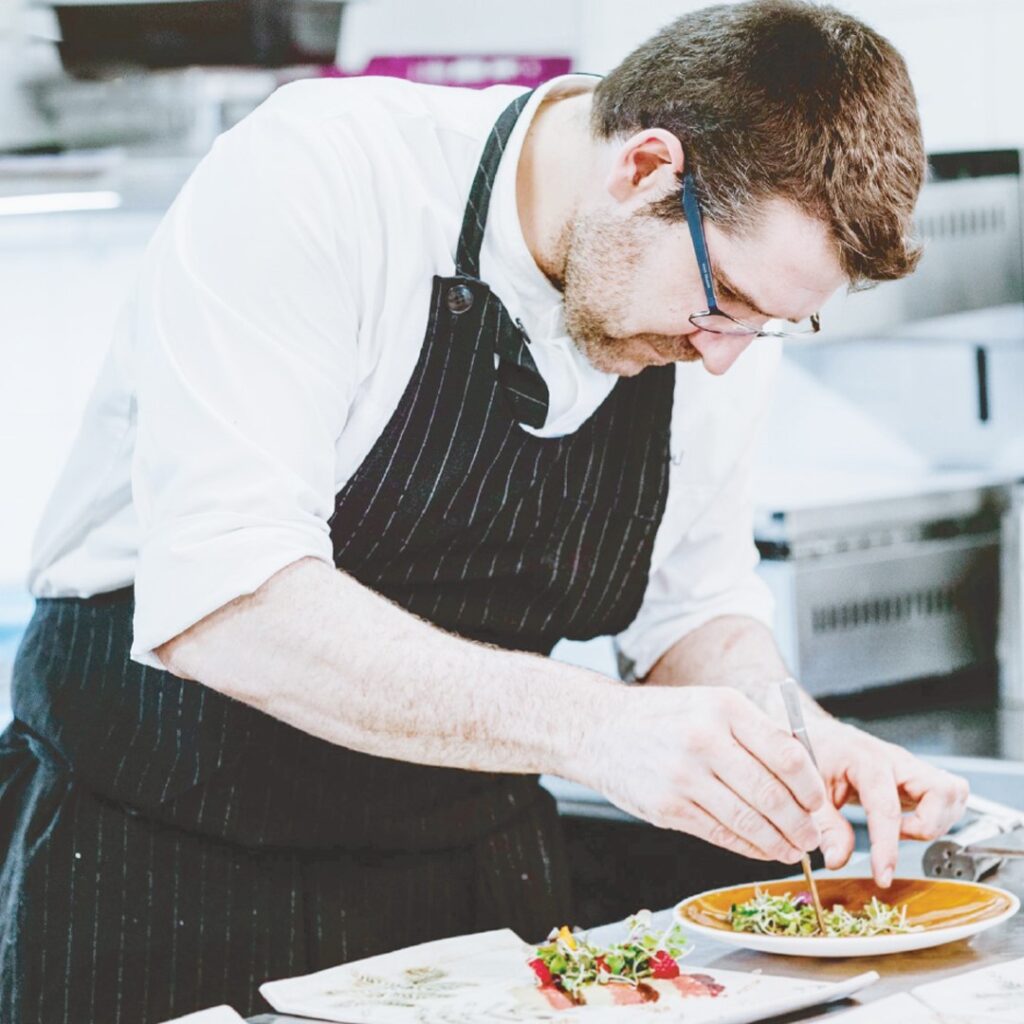
Chef Vincent Guimera focuses on a plate of food he is preparing, using small salad leaves

Chef and owner Vincent Guimera prepares a dish at Michelin-starred L’Antic Moli in Spain, where you dine on Spain & Portugal in Style. Photo credit: @lanticmoli on Instagram

Michelin has produced its restaurant guides since 1900. As the brand’s reputation grew, the process of its prestigious awards was refined. In a nutshell, anonymous inspectors will book, dine and pay at an establishment that’s caught their eye – where the ingredients are said to be top-notch, or the chef is believed to be particularly excellent.

There are currently around 80 Michelin inspectors, all of whom are highly trained food professionals, sworn to total secrecy.  The inspectors are told to pay no attention to the restaurants decor, service, or any other distractions. They simply focus on the meal in front of them. 

Essential reading to get ready to dine: What to Expect When Dining at a Michelin-star Restaurant

Experience Michelin-starred dining at L’Antic Moli on Spain & Portugal in Style

Graded according to five criteria
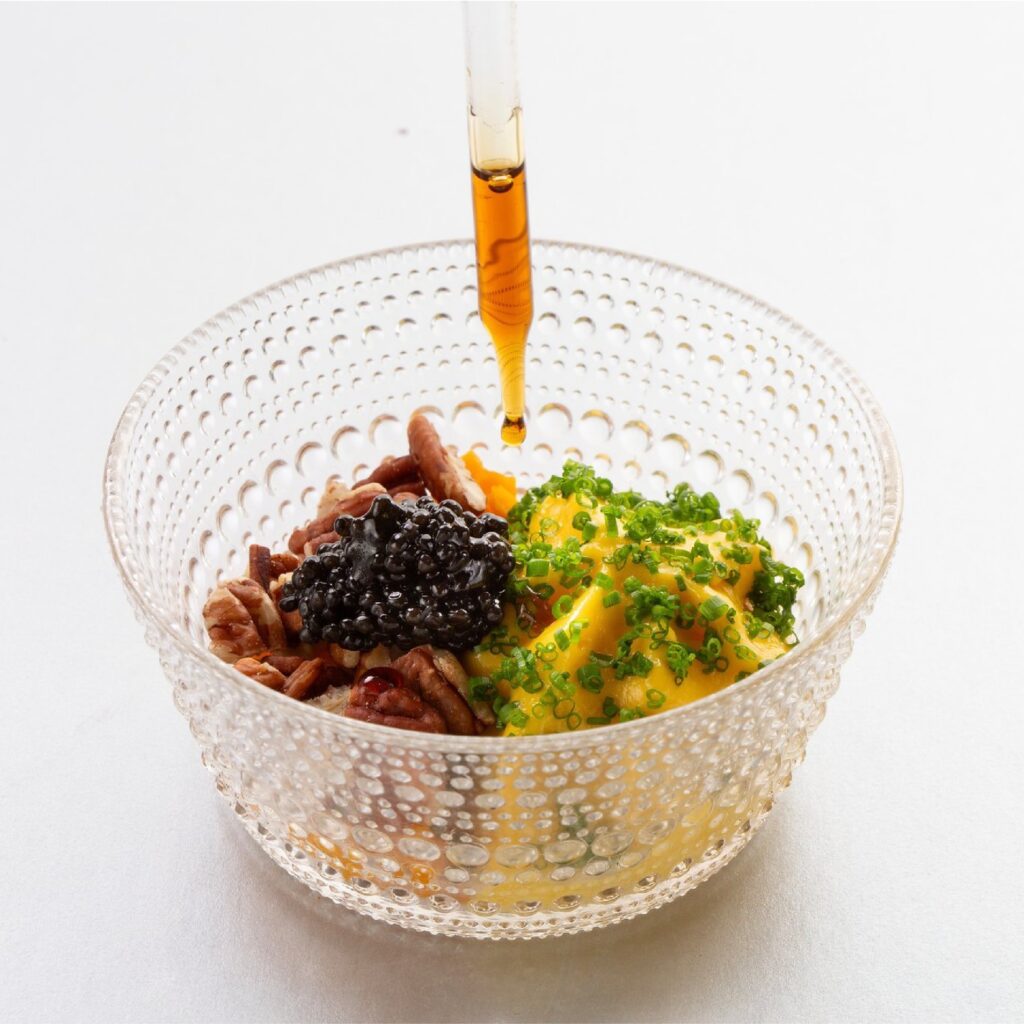
A glass dish contains yellow, red purple and green foods, with a glass pipette gently dripping on a caramel coloured sauce

Delicata pumpkin, Exmoor caviar and pecan served at Michelin-starred Olive Tree Restaurant in Bath, England. Dine here on British Royale. Photo credit: @olivetreebath on Instagram

Michelin officially lists five criteria chefs should be striving for; the quality of the ingredients (i.e. only the freshest produce and most succulent meats), mastery of culinary techniques, an injection of the chef’s personality into each and every dish, value for money, and the consistency of the food.

The inspectors report back to Michelin with their findings and the company holds regular meetings to decide which eateries make the cut. However, being a top Michelin star restaurant isn’t easy; inspectors will visit, at any time, to make sure the food stays up to scratch. And, if a chef leaves, they don’t take the Michelin star with them: they have to earn it in their next kitchen.

You may also be interested to read: A Journey of Flavour: The Mastery of India’s Michelin-star Chefs

Savor exquisite dishes at Michelin-starred Olive Tree Restaurant on British Royale

A revered three-star system
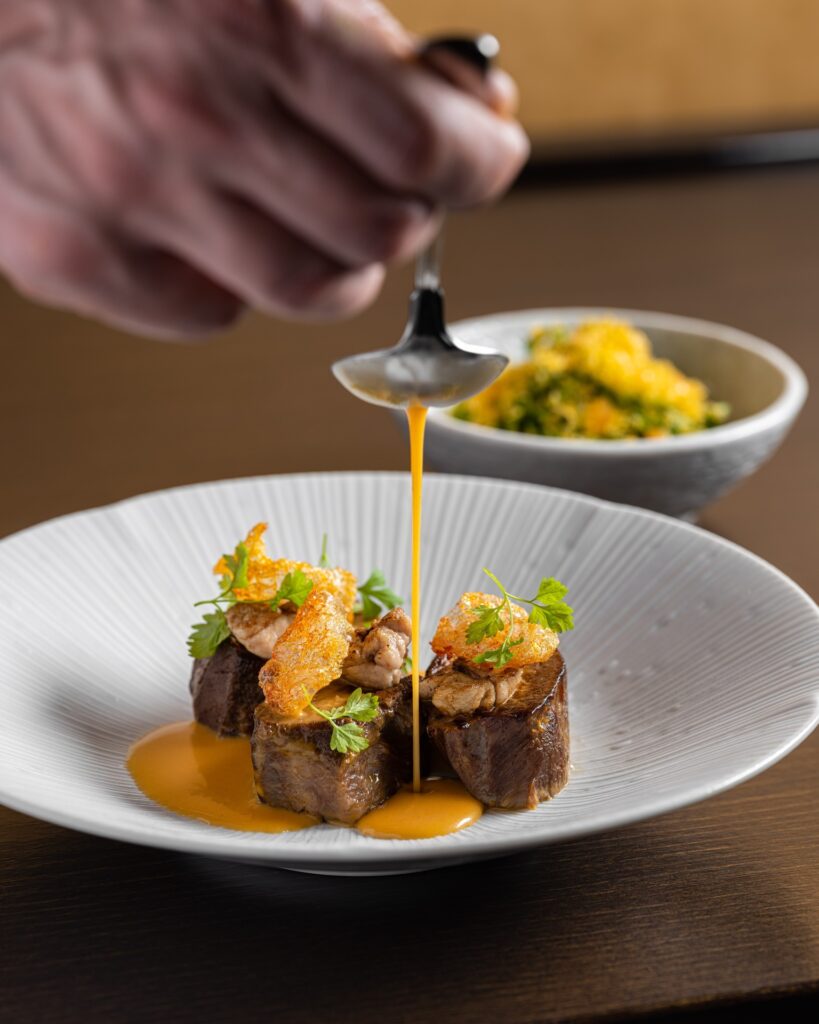
Orange coloured sauce is drizzled over an elegant meat dish garnished with bright orange and green in a Michelin star restaurant

A sensational dish is served at Michelin-starred Borkonyha Winekitchen in Budapest. Dine here on Harmony of Central Europe. Photo credit: @borkonyha on Instagram.

One hard-earned Michelin star is enough to put any restaurant on the map, but since 1931, restaurants can earn up to three of these floreal accolades. The early editions of the Michelin Guide said that an eatery with one star was “very good in its category”, two meant it had “excellent cooking, worth a detour” and a third meant it offered “exceptional cuisine, worth a special trip”. Currently, France has the most Michelin star restaurants – with Japan hot on its heels.  

If a restaurant is thought to warrant an upgrade to a two-star, four inspectors need to visit to verify the quality of the food. Should that restaurant be lucky enough to be considered for a third Michelin star, ten different inspectors need to sample its delicious dishes.

As the Michelin listings are updated every year, there are plenty of opportunities to gain a star. Currently, there are 139 three-star restaurants: France and Monaco have 29 of them. 

Read about the best of Japanese cuisine: Explore the Top 8 Michelin Star Restaurants in Tokyo

Experience fine dining plus an extensive wine cellar at Borkonyha Winekitchen on: Harmony of Central Europe

A Michelin star is not for life
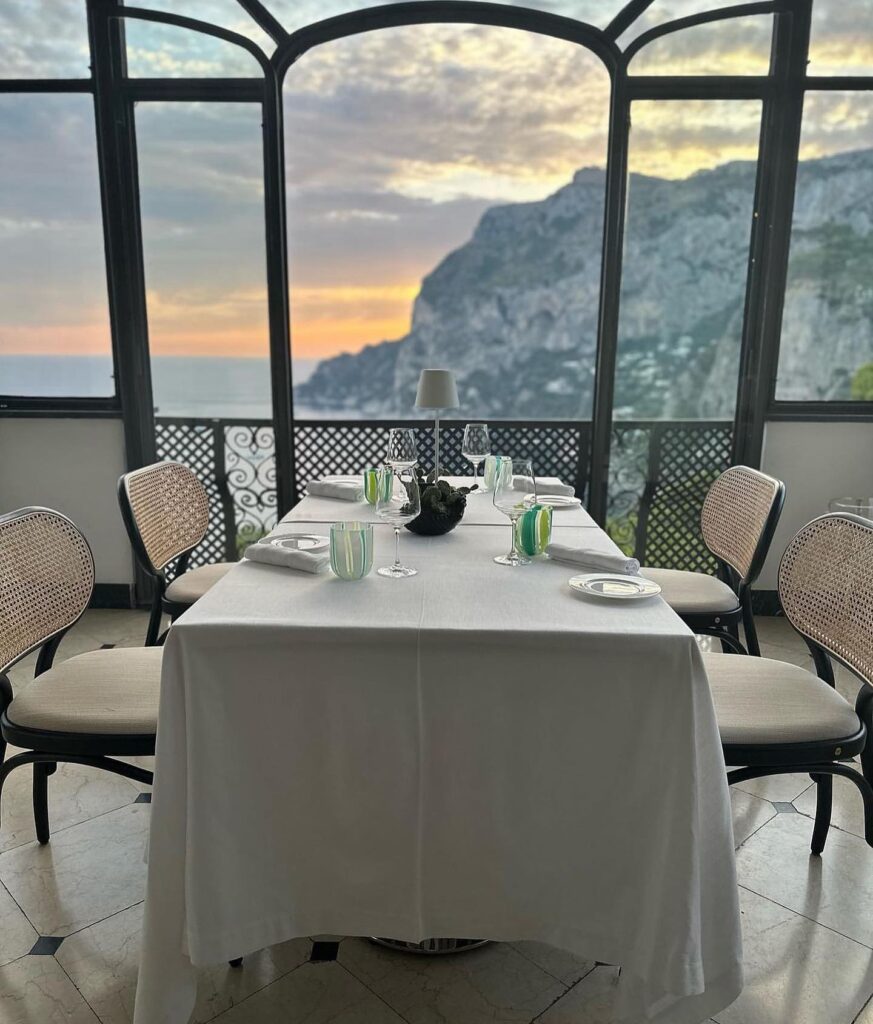
Divine dishes and stunning vistas await at Michelin-starred Mamma restaurant in Capri, where you dine on Ultimate Italy. Photo credit: @lemonzurestaurant on Instagram

In the tough world of restaurant accolades, all chefs know what is given can easily be taken away. In fact it’s not uncommon for restaurants to lose a Michelin star. This could be a result of standards in the kitchen slipping, the downgrading of ingredients, or even head chefs leaving for greener pastures. 

Gordon Ramsay’s NYC restaurant, The London, notoriously lost two of its stars in 2013 – the Hell’s Kitchen star himself was reduced to tears. Despite this Ramsey holds 17 Michelin stars, making him the third highest chef for these esteemed accolades. Frenchman Joël Robuchon is top with 31.

However, inspectors at Michelin are aware of the impact losing a star could have on a chef’s career – be they young or established – and endeavour to be as fair as possible in their judgment.

Perhaps the greatest thing about the top Michelin star restaurants is that the guide is always growing, evolving, and open to innovative ideas – so, when exploring our wonderful world, the flavour-loving traveller will always find somewhere phenomenal to satisfy their culinary cravings. 

Bookmark for later: The Luxury Gold Guide to the Finest Michelin star Restaurants in Edinburgh

Enjoy exceptional dining and sensational views at Michelin-starred Mamma Restaurant in Capri on Ultimate Italy

Exceptional Dining – a hallmark of Luxury Gold

From in room breakfasts to culinary masterclasses, VIP wine tours to Michelin star dining, gastronomy is at the heart of every Luxury Gold journey. You’ll experience sensational surroundings from private estates to bustling street markets, and sample the menus of acclaimed chefs worldwide. Delectably delicious and thoroughly enjoyable, each plate and Exceptional Dining experience brings you closer to your destination.

Tantalize your taste buds with our worldwide collection of small group journeys.
 

Share:
Reading time: 5 min
Europe, Luxury Journeys

Vine and Dine: An Exclusive Visit to Tuscany’s Boutique Guardastelle Estate

August 23, 2023 by Leanne Williams No Comments
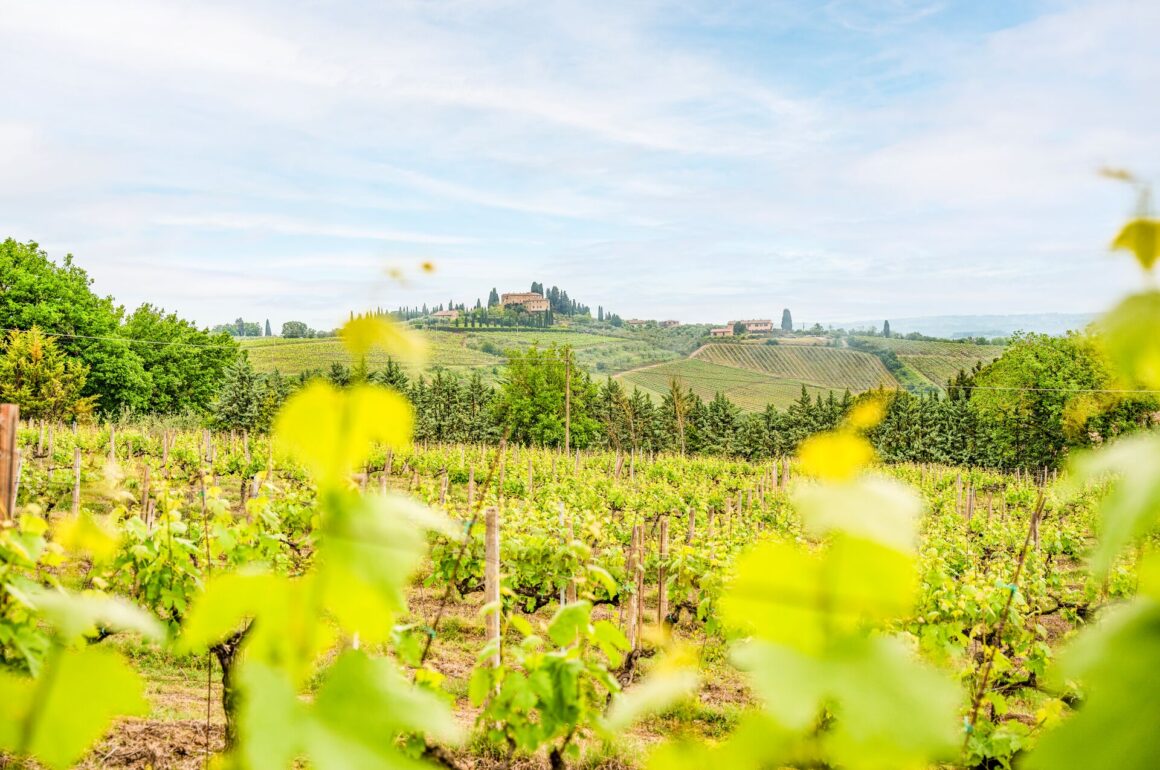
Picture taken from ground level showing a bright green vineyards, with hills and a Tuscan village in the background and a bright pale blue sky

No journey to Italy is complete without walking sun drenched vineyards and sipping limited edition vintages. For a taste of Tuscany to savor forever you’re invited to the charming Guardastelle Estate in San Gimignino to join the owners for a personal and private wine tasting tour.

We had the privilege to speak with Fausto, owner and wine producer of the Guardastelle Estate to learn what goes into producing a certified wine, harvest predictions and how to perfect the art of wine tasting.

Discover this on: Ultimate Italy

Exclusive wine, with a personal touch

Fausto of the Guardastelle Estate talks to visitors, with large silver wine vats behind him and blurred people in the foreground

“Guardastelle Estate is considered one of the smallest establishments in the area,” Fausto explains. “We have 12 acres of vineyards plus five acres of olive trees from which we also produce extra virgin olive oil.

“We produce five wines in small quantities so, we are very exclusive. For two of our vintages, we produce about 6000 bottles each, and only 3000 for the other three types. And they are only available here – you won’t find our wines in stores, restaurants or the nearest town.

“At Guardastelle, as a boutique winery we’ve always been focused on people coming to our farm, to see firsthand the vineyards and try the wines. Each bears the DOCG certification, a sign of excellence and the most important certification of Italian wines.”

For travel inspiration read our Italy destination guide

DOCG – the elite classification

DOCG or Denominazione di Origine Controllata e Garantita is the is the highest classification Italian wines can be awarded. The classification means that there are controlled production methods (controllata) and guaranteed wine quality (garantita) with each bottle.

This includes regulations such as no irrigation, maximum vineyard elevation, and regulations on ageing and maximum alcohol levels.

A private tour

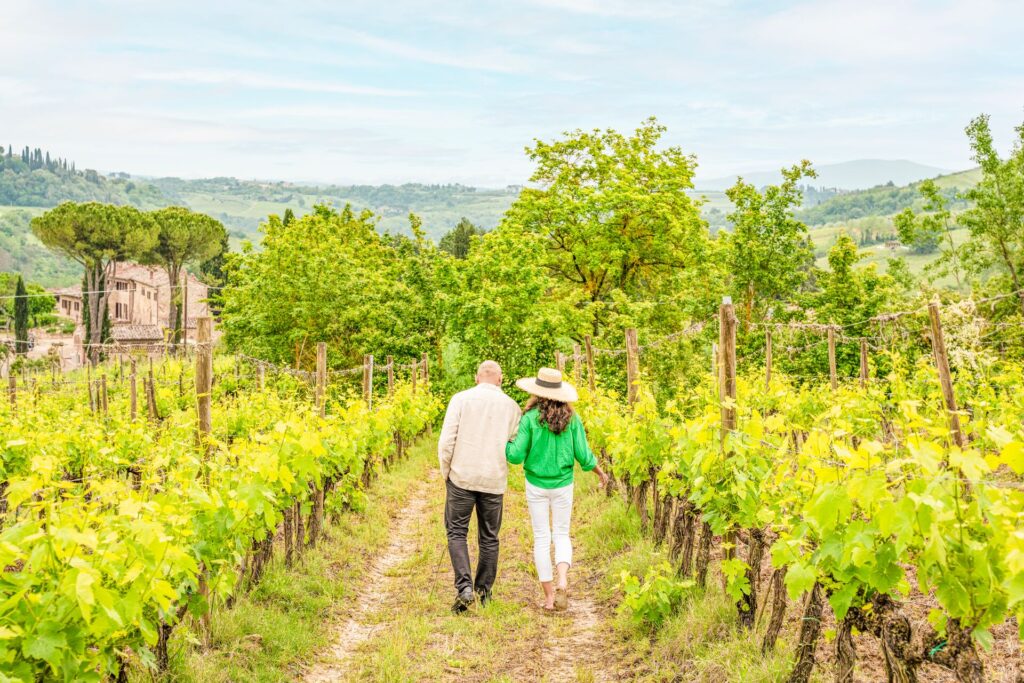
Fausto of Guardastelle Estate takes visitors on a taste of Tuscany as they walk through the bright green vineyards, wearing colourful summer clothes, green fields extending in the background. 

As a guest of Luxury Gold, you’ll enjoy a private tour of the vineyards and the wine cellar. You’ll hear all about the production process and enjoy a taste of Tuscany. “We’ll explain what kind of varieties we have, and why we have these varieties relating to the certification to the DOCG and part of the production.

“For the tasting we present three wines from the current the vintage. These are usually the three DOCGs – the vernaccia white wine which is the local specialty, and the chiantis.”

You may also enjoy: Making it personal: How Travel Concierge Anna elevates your Italy experience

A boutique family business

“This is a family business, so we are involved in all the processes since from the winemaking to the tasting,” says Fausto. “This also dictates how to make the wines. We are a very small farm, so it is not possible to harvest the grapes with the machine for example, so we do it by hand.”

“We’ve no official record but architects say that the farmhouse is probably from the middle of the 1400’s. This is because that the walls were made with a specific technique which is the same used to build the famous towers of San Gimignano town.

“My wife’s family purchased it in the middle of the 1980’s. From the young age of 21, she restarted the vineyard and wine production with three classic DOCG wines that she has now produced for almost 30 years. The estate has also produced extra virgin olive oil from the start.

“In 2017 we started to work on a couple of new wines which were born in 2021. So now we have the five typologies of wines.”

You may also like: This little gelateria in San Gimignano may just serve the best gelato in all of Italy

True Chianti and Vernaccia

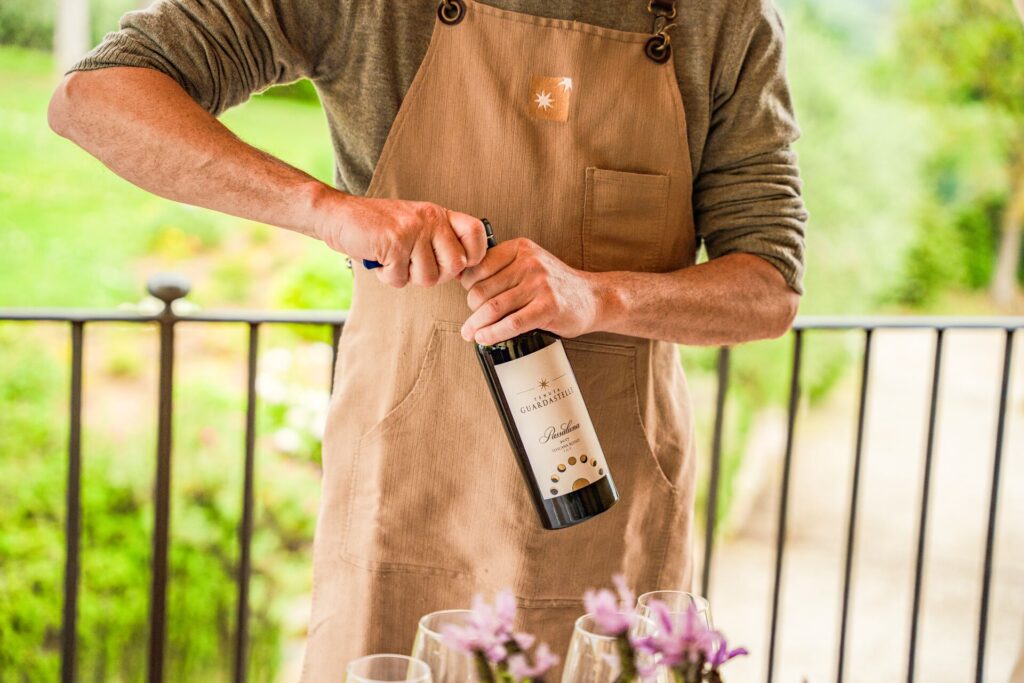
A man opens a bottle of red wine, shown from the next down wearing a brown apron with a blurred green garden behind him.

“San Gimignano is in the chianti wine region, a wine which has been produced in Italy for about five centuries,” says Fausto. “To preserve the original characteristics of Italian winemaking and its wines, the government introduced regulations to keep a high standard quality product. This is the DOCG and is the certification that allows us to call our wine chianti.”

“Chianti must be made with a minimum of 75% of Sangiovese (a grape), and then there are few other varieties that we are allowed to use to blend. Even though it is possible to make a chianti from 100% Sangiovese, usually they are made with a blend of grapes.”

All the wines produced by Tenuta Guardastelle bear this important DOCG certification. Some 78 red wines across Italy (including chianti) are on the list. There is however only one white wine included, the Vernaccia di San Gimignano.

Vernaccia di San Gimignano is a native grape variety with ancient historical origins. Renowned for its remarkable ageing capacity, it makes an excellent aperitif, pairs well with legumes and is exquisite with white meats.

You may also like: Harry’s Bars: The Story of Europe’s Two Most Glamorous Watering Holes

Manual harvest

“The DOCG regulations do not dictate how to harvest, whether by hand or machinery, or how to press the grapes. So, these methods depend entirely on the size of the farm,” Fausto explains.

“As we are small, we do a manual harvest, which is also better anyway for the grape’s quality. This helps to produce a natural, rather high sugar content in the berries, so that the DOCG standards are easily met.”

You may also enjoy: Award-winning Argentine wines you must try on your next trip

It’s all in the timing

Two people, shown from behind, walk arm in arm through a bright green vineyard, towards a blue sky and fields, she is wearing a bright green jacket and him a white one.

“The DOGC does regulate the days that you can harvest, although the time frame is very large. The time to harvest is dependent on the varieties and it depends a lot on the weather,” Fausto says. “We know by the experience that the harvest time is around the beginning of September for the white grapes and middle third week of September for the red varieties.

“So, a few days before the planned harvest we start to control the grapes. We go in the vineyards and pick a few from all over the field. The grapes are then mixed together, because different parts of the vineyards can have slightly different maturation, before making an average of the sugar content.”

“We also taste them – with experience you know from their softness if they’re ready. Then we look at the weather forecast to see that maybe these grapes need a week but if the weather is going to be bad, then we may need to harvest them in a couple of days.

“This, a taste of Tuscany, is probably one of the best parts. Because it’s almost ready. It’s such a great feeling – every year is a new project with a new vintage.”

You may enjoy: The ultimate Luxury Gold souvenir guide to Europe

Time to mature – a unique minerality

“Some of these wines take up to three years to be ready,” Fausto explains. “So, we will harvest the year’s vintages around the start of October, and the white will start to serve as a wine tasting in almost two years. And the Chianti about four years.

“This is our personal choice because of the composition of the soil. Here the soil has a high minerality that gives a very high freshness to the wine, so it needs longer to mature.

“So, for example, not all the vernacchio’s of the area are the same, and we usually don’t have the youngest of the vernacchio possible to taste. Because the other Tuscan wineries and vineyards don’t have such a high minerality, the life of their vernaccio is much shorter.”

You may also enjoy reading: Wine and Dine: A Guide to Private Wine Pairing in Italy’s Most Exquisite Vineyards

Tasting tips

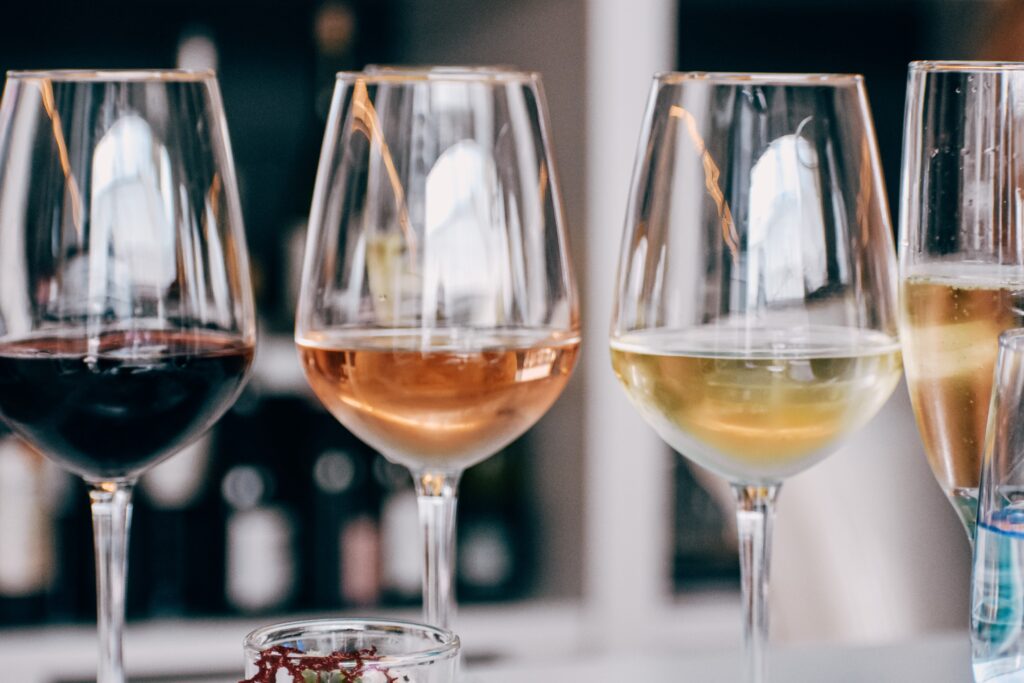
Close up of three wine glasses, presented for a tasting, one with red, one with rose and one with white in a small amount.

“We always guide guests through the tasting, a taste of Tuscany” says Fausto. “We explain the three types of analysis. First is the visual, to check the color if the wine is clear or cloudy, and we show you how to do it with the white napkin on the back of the glass.

“Then comes smell. Here we don’t say everything because we could stay a full day talking about it! We do tell you the categories that you can smell in a wine, depending on the variety. For example, vegetables or fruit. Then lastly, we have taste and we help you get deeper into the analysis. Every wine actually had different characteristics, or even if similar there are always some slight differences.

You may also like: Dive into luxury at these incredible hotel pools

Practice makes perfect

“Wine tasting is like learning a new language,” Fausto concludes. “You need to train and to try many different wines to try to understand the different flavors and tastes that different varieties can produce. The characteristics of, for example, a Chardonnay grape, when grown in Tuscany or other parts of Italy or the world are not the same. So keep practicing!”

To delight in a taste of Tuscany for yourself in this stunning chianti wine region, take a look at our Ultimate Italy small group journey

Share:
Reading time: 7 min
Concierge Tips

Our Favorite Classic Cocktails, and the Timeless Hotels To Try Them At

July 27, 2023 by Leanne Williams No Comments

Crafted with love, skill and precision, classic cocktails have stood the test of time. Their allure lies in their balanced flavors and the artistry of mixology, and each has a story to tell. As you put the glass to your lips, you’re instantly transported to a bygone era of glamour and refinement. And to sip classic cocktails in some of the world’s most magnificent hotels just further elevates the experience.

To tantalize your palate and stir your wanderlust, we’ve selected some of our favorite classic cocktails, and paired them with some truly exquisite hotels.

Old Fashioned

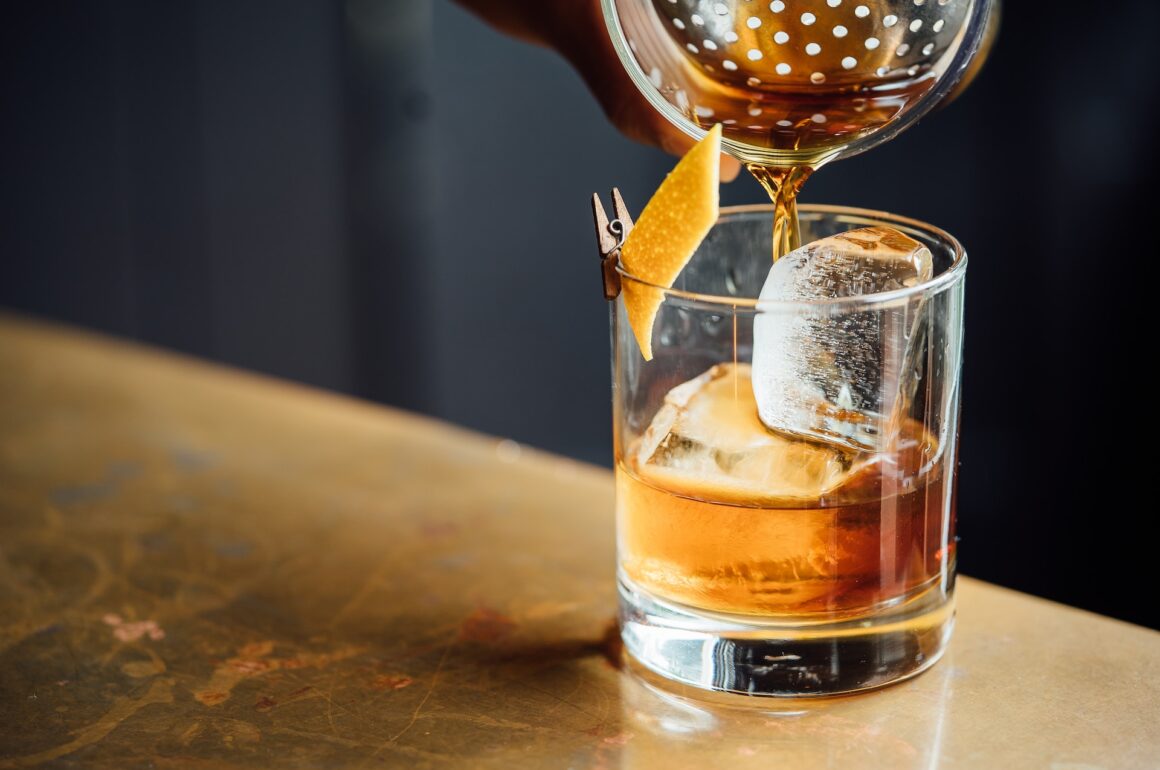
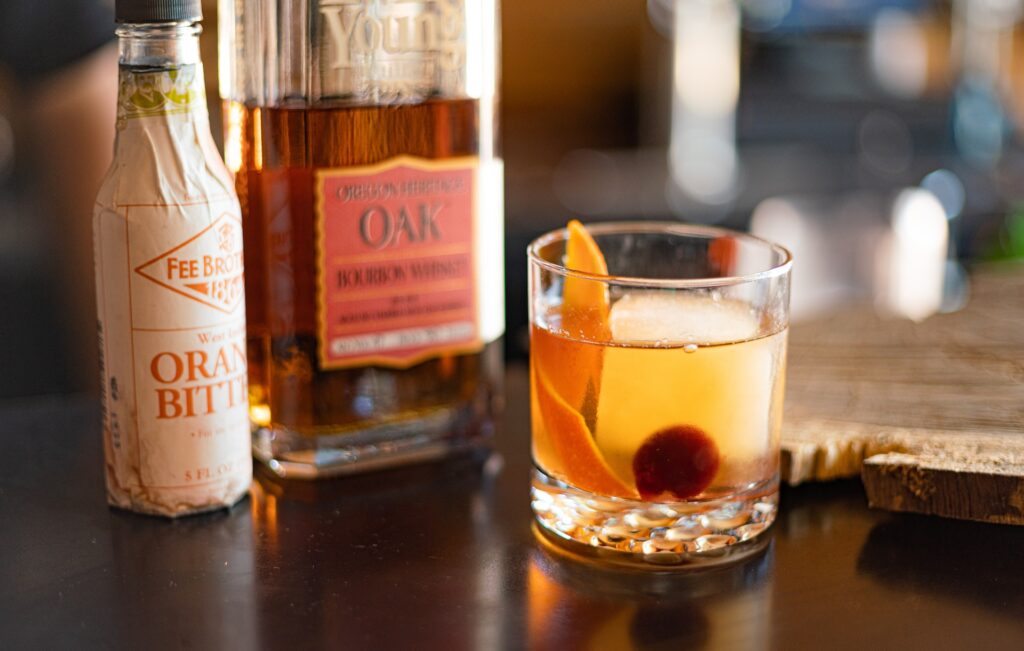
Image of Old Fashioned cocktail in a cut-crystal glass, alongside a bottle of bourbon and a bottle of orange bitters

The Old Fashioned is one of the oldest cocktails, dating back to the early 1800s. Exuding sophistication and simplicity, it embodies the essence of classic mixology with its straightforward, time-tested recipe.

The recipe typically calls for bourbon or rye whiskey, muddled sugar, aromatic bitters and a twist of citrus rind. Served over ice in a rocks glass, the Old Fashioned offers a perfect balance of sweetness and bitterness, accentuated by the whiskey’s rich flavors.

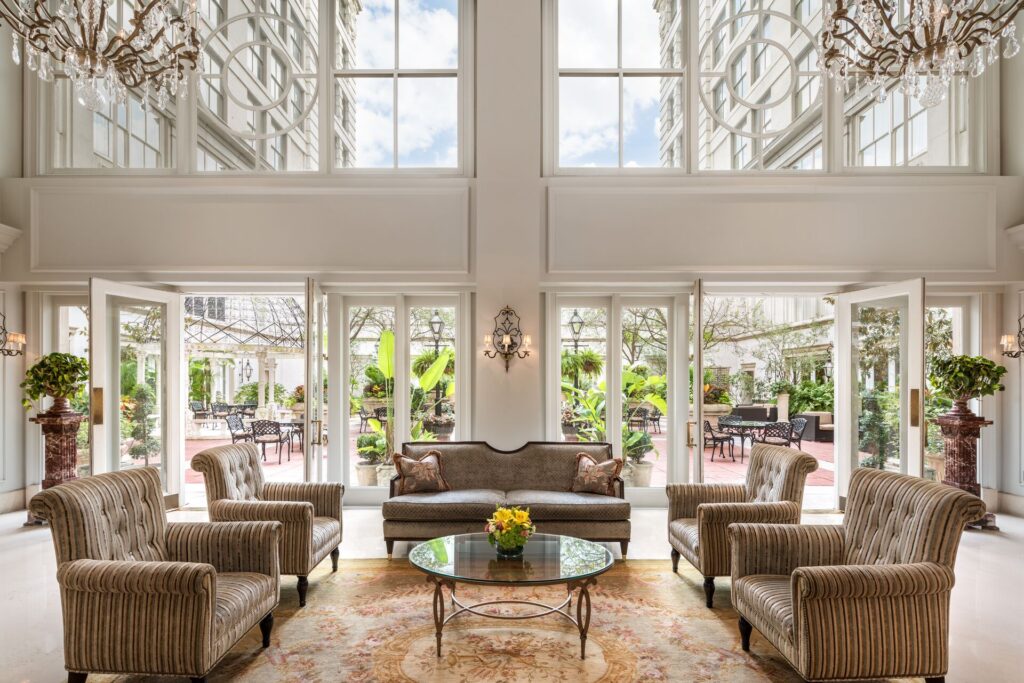
There’s no better place to sit back and enjoy an Old fashioned than in the Southern United States, the birthplace of bourbon. And there’s no hotel quite like the Ritz Carlton in New Orleans.

The foyer of the Ritz Carlton hotel in New Orleans, with a large glass front, its of light, white walls and sumptuous beige furnishings

Nestled in the heart of the French Quarter, the Ritz Carlton epitomizes Southern elegance and charm. And the hotel’s bars feature skilled mixologists whose attention to detail and the use of high-quality ingredients ensures that each cocktail is a work of art.

While you enjoy your Old Fashioned, bartenders will share stories about the history of classic cocktails and the role of New Orleans in their evolution. So sit back, enjoy and see why this iconic drink has stood the test of time.

Sip an Old Fashioned at the Ritz Carlton on: Southern Grace

Read more: Why New Orleans’ Ritz Carlton Hotel is a cut above the rest

Negroni

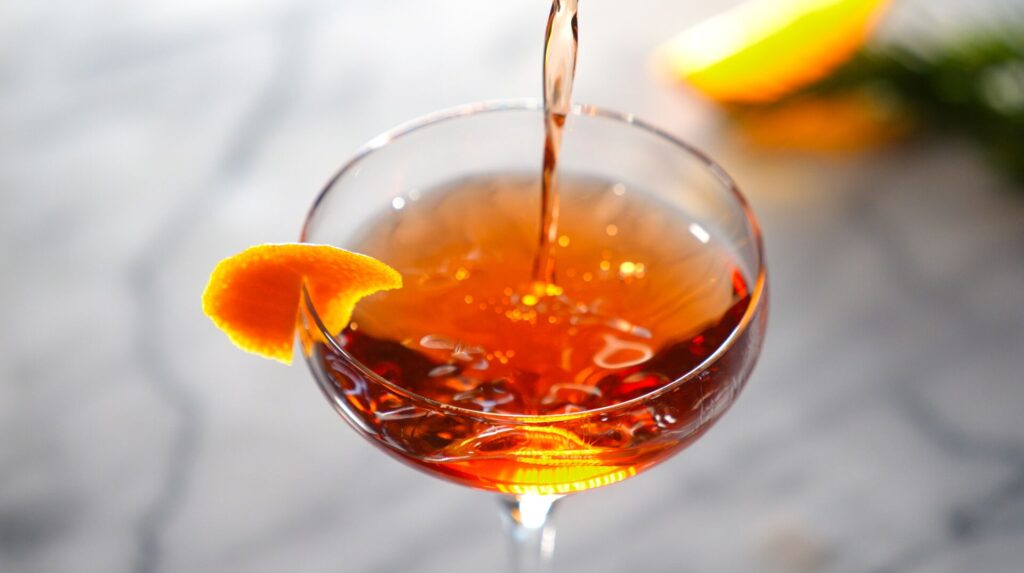
Close up of Negroni cocktail in a tall cocktail glass with a round top, showing bright orange liquid and a twist of citrus rune, against a grey blurred backdrop

Originating in Florence, Italy, the Negroni is closely linked to the Italian aperitivo culture. Legend has it that the cocktail was invented in the early 20th century when Count Camillo Negroni asked a bartender to strengthen his Americano by adding gin.

Brandishing a brilliant red hue and bittersweet flavor profile, the Negroni offers a combination of herbal, citrusy and aromatic notes. Its simple yet bold composition, traditionally equal parts gin, Campari and sweet vermouth, creates a perfectly balanced aperitif.

To enjoy your Negroni in the perfect setting, head to the Hotel Montebello Splendid. Centrally located in the heart of Florence, this elegant five-star hotel occupies a charming 19th-century villa that exudes glamour and grandeur.

The hotel’s rooftop pool bar offers a breathtaking panoramic view of Florence’s skyline. Enjoy your Negroni while basking in the sun against a stunning backdrop of Florence’s iconic landmarks, such as the Duomo, Palazzo Vecchio and the surrounding Tuscan hills.

Savor a Negroni at the Hotel Montebello Splendid on: Ultimate Italy

You might also be interested to read: Making it personal: How Travel Concierge Anna elevates your Italy experience

Sidecar

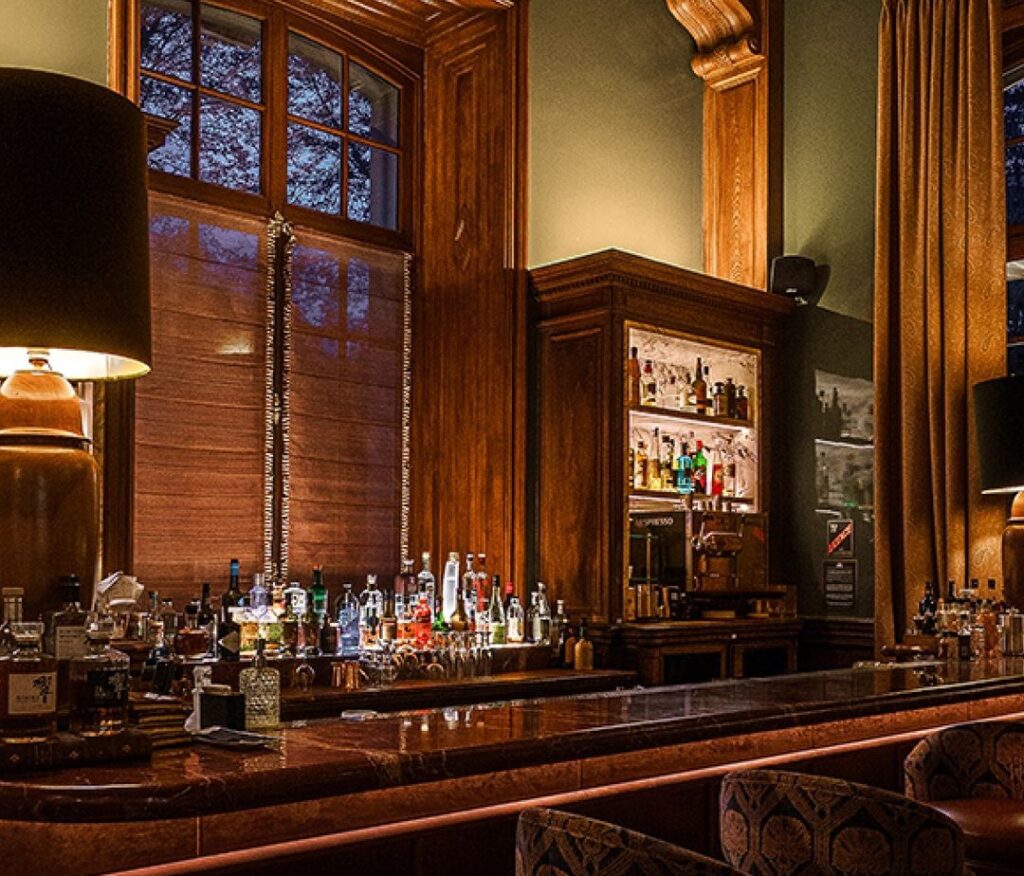
Image of the bar at the St James hotel in Paris, with right mahogany furnishings and bright spirit bottles at the back

@saintjamesparis

While the exact origins of the Sidecar are somewhat disputed, the prevailing narrative credits its creation to Harry MacElhone, an American bartender who worked at Harry’s New York Bar in Paris.

According to the story, the Sidecar was allegedly invented around the end of World War I when a patron arrived at the bar in a motorcycle sidecar. The drink was then named after the vehicle. MacElhone is said to have refined the recipe, using Cognac or brandy, Cointreau, and lemon juice in equal parts, creating the classic Sidecar we know today.

A stunning Parisian setting to enjoy your Side Car, and other classic cocktails, is the St James. Paris’ only chateau hotel, this is an architectural jewel tucked away in the city’s most exclusive district, the 16th. Its bar is sumptuous, filled with greenery, wood paneling, cozy velvets and worn leathers. Renowned for its mixology, this is one of the ultimate meeting places in the city, for both Parisians and those from far flung places.

You may also enjoy: Our Favourite Legendary and Lesser-Known Shopping Streets

Caipirinha

Two low tumblers of the Caipirinha cocktail, with bright green limes inside and outside of the glasses, set on a rustic brown table

Refreshing and vibrant, the Caipirinha hails from Brazil and has become a very popular cocktail. It’s the national drink of Brazil and is deeply rooted in the country’s culture and traditions. Not only invigorating, it is hailed as one of the best classic cocktails for celebrating warm, sunny days.

The primary ingredient of a Caipirinha is cachaça, a Brazilian spirit made from sugarcane juice. Blended with lime and sugar, it is typically served over crushed ice. To prepare a Caipirinha, lime wedges are muddled with sugar in a glass, and then cachaça and ice are added. The result is a delightful balance of sweet, tart and boozy flavors. You can also enjoy numerous variations, with passion fruit or strawberries often used to mix it up.

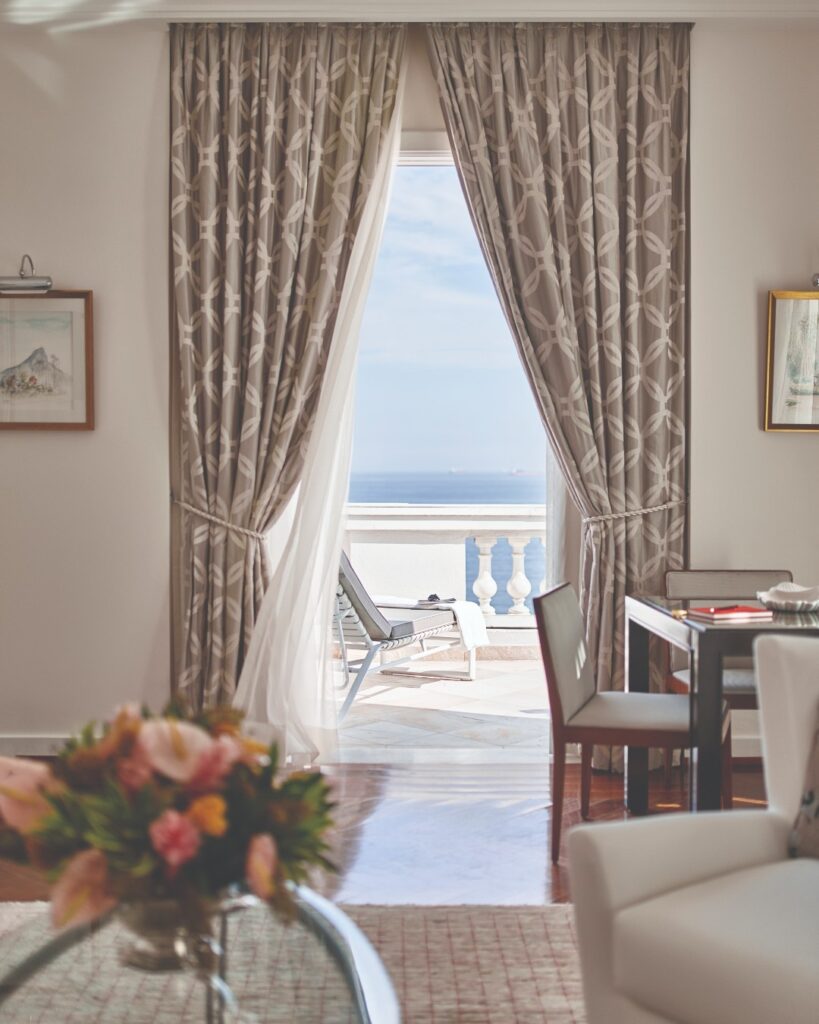
Picture from the inside of a luxury room looking out at the blue ocean through to the terrace, with white and beige furnishings and a bright bunch of flowers in the foreground.

@belmondcopacabanapalace

Where better to enjoy a glass that the Belmond Copacabana Palace in Rio de Janeiro, Brazil. Situated on the world-famous Copacabana Beach, the hotel has been an emblem of elegance and sophistication since its opening in 1923.

Its architecture reflects a blend of classical European style with touches of Brazilian charm, set behind an impressive façade. The interiors are adorned with exquisite furnishings and artwork. Relax, enjoy the sunshine and a Caipirinha, as numerous celebrities, politicians and dignitaries have done over the years.

Enjoy a Caipirinha at the Belmond Copacabana Palace on: Classic South America

 You may also like to read: 7 Luxury Gold hotels that have hosted royals, celebrities and more

Manhattan

Image of the Manhattan skyline, with the Statue of Liberty and river in the foreground, shining in the sun and a bright blue sky

While it has become a global icon, the Manhattan has strong associations with the bustling borough of New York City. And for the most iconic setting to enjoy this classic cocktail head to the Park Lane New York hotel, and its Darling rooftop lounge. Located on the 47th floor, the Darling offers a stunning backdrop of the Manhattan skyline and an elevated cocktail menu.

It is said that the key to a perfect Manhattan lies in finding the right balance between the whiskey’s richness and the sweetness of the vermouth. The traditional recipe adds a few dashes of aromatic bitters, and its usually garnished with a maraschino cherry or a twist of orange peel. Over the years, variations of the Manhattan have emerged, with some people preferring bourbon instead of rye whiskey, or opting for dry vermouth to create a drier version.

You may also like: Hiding in Plain Sight: Incredible Artworks You Can Discover at Luxury Gold Hotels

Martini

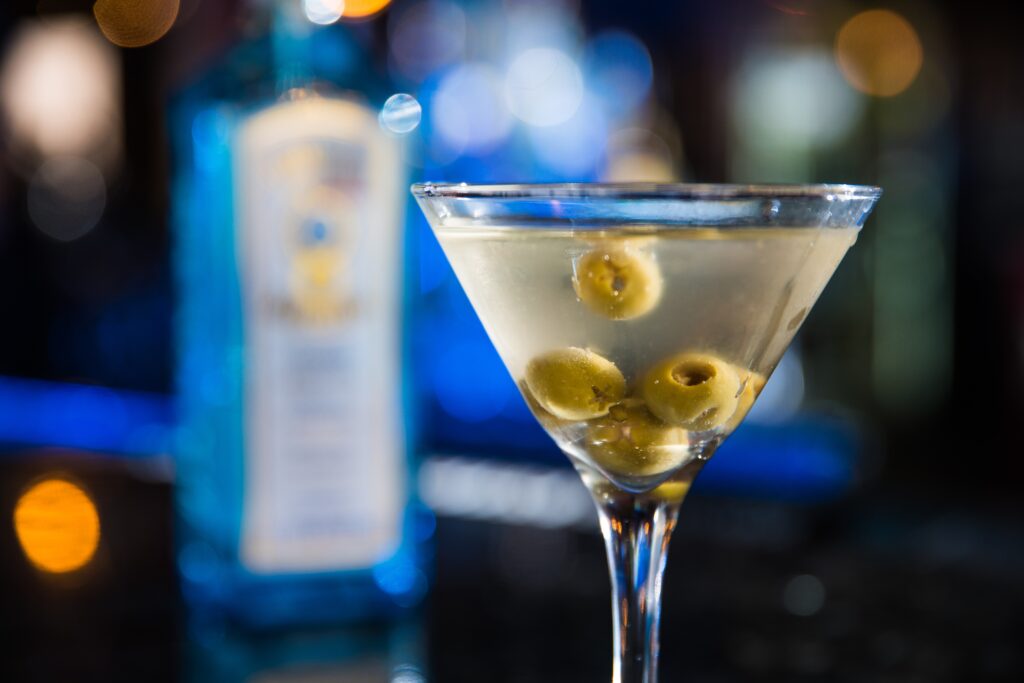
Close up of Martini cocktail in a v shaped tall glass, clear liquid with green olives inside, against a blurred blue background

The Martini is one of the most iconic and enduring cocktails in the world of mixology. Made with gin and dry vermouth, stirred with ice, you’ll find it served in a chilled cocktail glass, garnished with a green olive or a twist of lemon peel.

A cocktail of strength and clarity, the exact origins of the Martini are somewhat debated. But historians believe that it evolved from a late 19th-century mix of gin and vermouth. Over the years, the Martini has inspired various interpretations and modifications. This has led to the creation of famous variations like the Vodka Martini, the Dirty Martini and the Gibson.

Two ladies look out of a huge hotel window with white see through drapes, with rich red chairs, opulent furnishings and flowers on glass tables in the foreground

Literature, film, and popular culture have also celebrated the Martini. Most notably by James Bond, who famously ordered his martinis “shaken, not stirred.” More than worthy of a Bond moment, the Grand Hotel Quisisana on Italy’s Isle of Capri is an exquisite hotel in which to enjoy a sip of this classic cocktail.

5-star luxury in the heart of Capri town, the Quisisana is just a short walk from the famous Piazzetta. Surrounded by lush gardens and offering breathtaking views of the Mediterranean Sea, it’s an enchanting retreat for the discerning traveler seeking elegance and relaxation.

Enjoy a Martini at the Quisisana Hotel on: Ultimate Italy

You may also enjoy: The Isle of Dreams: How to Spend the Perfect Day in Capri

Singapore Sling

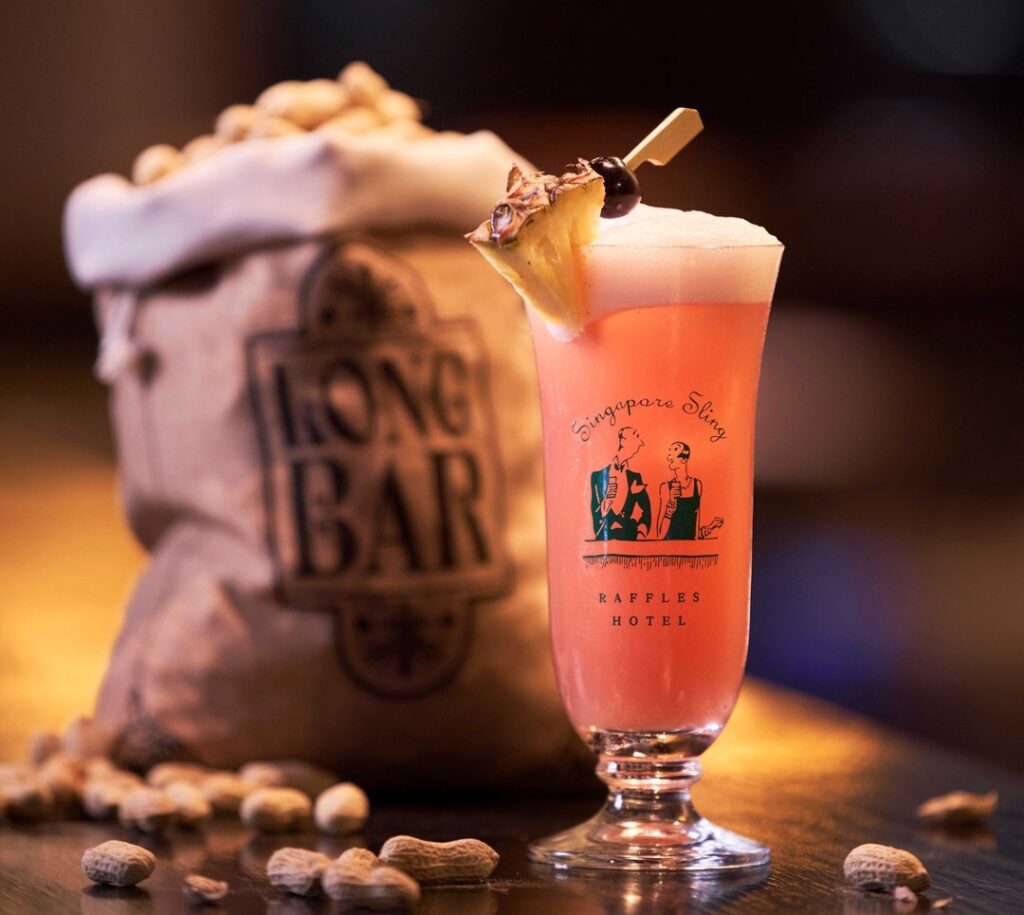
Close up of a bright pink Singapore sling cocktail in a tall glass with a slice of yellow pineapple, in front of an old fashioned peanut bag, both bearing the emblem of the Raffles Hotel.

@raffleshotelsingapore

The origins of the Singapore Sling are associated with the Long Bar at the Raffles Hotel in Singapore. The cocktail was created by bartender Ngiam Tong Boon in the early 1900s, and quickly became a favorite among patrons. Today, the Singapore Sling remains a symbol of tropical indulgence and is enjoyed by cocktail enthusiasts around the world.

This elegant cocktail is made a gin base spirit, along with pineapple juice, lime juice, cointreau and cherry liqueur. Some versions also include Bénédictine, grenadine, and Angostura bitters. Reddish-pink, it is typically served over ice in a tall glass and garnished with a slice of pineapple and a maraschino cherry.

The Raffles Hotel Singapore is still one of the most iconic luxury hotels in Asia. And the Long Bar is still in service. Meaning you can still enjoy this historic cocktail in old-world grandeur, dreaming of days gone past.

To savor classic cocktails around the world, we invite you to take a look at our exquisite collection of small group luxury journeys.

Share:
Reading time: 7 min
Page 4 of 17« First...«3456»10...Last »
12 Best Restaurants In Spain

12 Best Restaurants In Spain

October 22, 2024
The Ultimate Nature Retreat: Welcome To Milford Sound Lodge

The Ultimate Nature Retreat: Welcome To Milford Sound Lodge

November 25, 2024
These Are 2025’s Most Exciting Luxury Travel Trends

These Are 2025’s Most Exciting Luxury Travel Trends

October 27, 2024
Canada Unlocked: An Interview with Travelling Concierge Andrea Dionne

Canada Unlocked: An Interview with Travelling Concierge Andrea Dionne

March 21, 2016
5 Books to Inspire Your Trip to the British Isles

5 Books to Inspire Your Trip to the British Isles

May 23, 2019

Subscribe to Our Newsletter

Receive curated news, special offers and travel inspiration straight to your inbox.

Please note that the information you provide will be used solely for the purpose of this request.

Categories

  • Luxury Journeys
    • Europe
    • Africa
    • Asia
    • Australia
    • USA and Canada
    • Latin America
  • Make Travel Matter
  • Cuisine
  • Unwind
  • Concierge Tips

Tags

Africa Asia Australia Canada Croatia Cuisine Destinations Egypt England Europe Exceptional Dining Fine Dining Food France History Imperial Rajasthan India Ireland Italy Japan London Luxury Luxury Gold Luxury Hotels Luxury Travel Make Travel Matter New Zealand Peru Portugal Safari Scotland South Africa Spain Sustainability Sustainable Tourism Sustainable Travel Switzerland Travel Travel Concierge Travel Tips Travel Trends TreadRight USA Venice Wildlife

Search

Recent Posts

What to Wear in Venice: A Luxury Gold Packing List

What to Wear in Venice: A Luxury Gold Packing List

June 3, 2026
The 10 Best Restaurants in Lisbon, Portugal

The 10 Best Restaurants in Lisbon, Portugal

March 31, 2026

More About Luxury Gold

We invite you to embark on a travel experience unlike any other. Join us as we explore exotic lands and distinctive destinations, in exquisite style and comfort. At Luxury Gold, it’s our pleasure to make your next journey extraordinary. Allow us to share our unparalleled wealth of expertise and insights, accumulated over nearly 100 years as leaders in luxury travel.
Privacy Policy
Disclaimer
© Copyright 2023 Luxury Gold. All Rights Reserved.