Picture the scene: a sommelier comes over as you flick through the wine list. There are dozens, maybe hundreds, of options to choose from. You feel overwhelmed: you know what you like, but you’re interested in trying something new. It can be hard to know what to ask a wine professional, or how to talk their language. We caught up with Aisling Bury, sommelier and Restaurant Manager at The Olive Tree in Bath, UK ‒ the city’s only Michelin-starred restaurant, which as a Luxury Gold guest you’ll visit on our British Royale journey ‒ to learn how to talk to a sommelier on your travels.
What is a sommelier?
First things first: what is a sommelier? Essentially, it’s the wine expert employed by a restaurant to help select wines for the venue. They talk guests through the wine list, helping them choose a good match for their dish. Depending on the country, a sommelier usually has a diploma or qualifications from an institution such as the Court of Master Sommeliers. Much of their role happens behind the scenes: designing a restaurant’s wine list ‒ which can run into the tens of thousands of bottles ‒ and working with head chefs to plan food and drink pairings. But they’re also here to guide you. If you’re wondering how to talk to a sommelier, think of what you want from the chat: usually, to help them understand your tastes while also learning a bit about the evening’s wines and getting some new recommendations. Go in confidently with this bluffer’s guide to sommelier talk.
For further reading: From Prosecco to Pecorino: a Guide to the Best Italian White Wines For 2024
Dishes and varieties

The Olive Tree specializes in seasonal fine dining (credit: @olivetreebath on Instagram)
By the time a sommelier comes over to your table, you’ll likely have had time to peruse the menu, and this is vital. You might like a Pinot Noir or a Sauvignon Blanc at home, but your choice of dish is the biggest influence on the wines they will choose. This is especially true of dishes involving red meat, fish, chocolate or cheese, but everything from herbs to char-grilling can influence their choice. So before your chat, note the dishes you’re most interested in ordering. Try to communicate what you like: even if you think you don’t the terminology of wine tasting, you’ll certainly know which flavors your palate responds to. Think of it like ordering a cocktail: you might tell a barman you prefer bright, acidic, citrus flavors, or mellow, sweet or fruity flavors. Those same preferences can be transferred to wine, so don’t be afraid to describe your favorite things to your sommelier.
A sommelier will often talk to you about dryness versus sweetness and the options of full-bodied, medium-bodied or lighter wines. These choices enhance different textures and flavors in your food: so a fatty meat might need a juicy, acidic wine to cut through that fattiness, while an off-dry white wine has the sweetness to complement spicy dishes.
For food lovers: Why South Africa is the Ultimate Setting For a Gourmet Road Trip
Scent and clarity
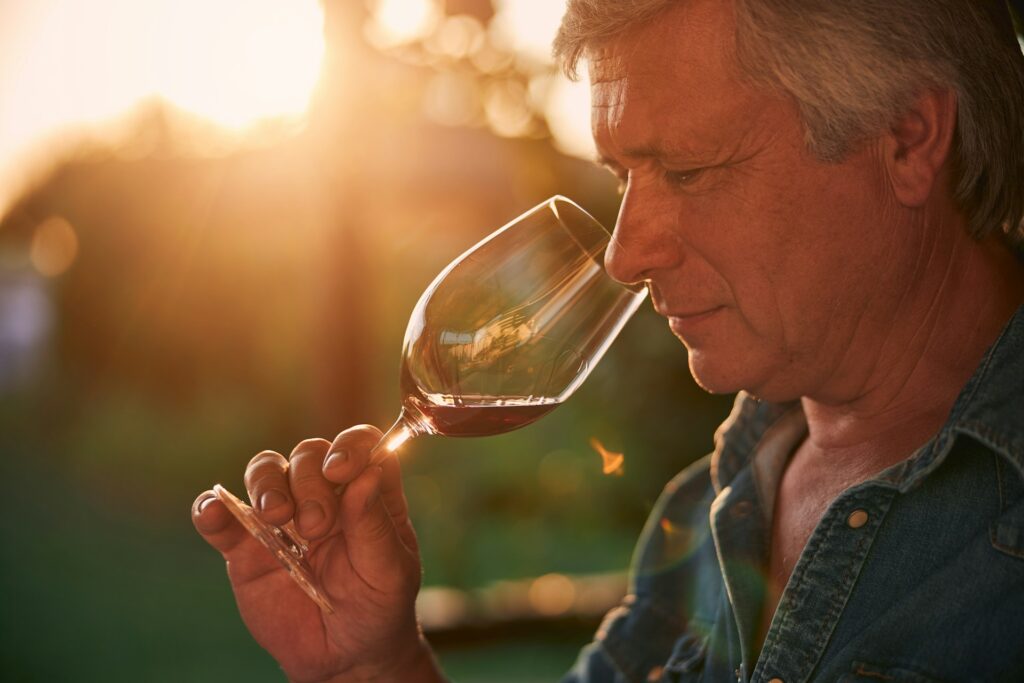
Once a first wine has been selected, your sommelier will pour you a small glass to try. But don’t knock it back just yet. “The first thing you’re going to do is swirl the wine,” explains Aisling Bury, who encourages diners to get a deep noseful of the wine’s aroma. “You’re looking for things that smell out of place; so scents of wet cellar, damp cardboard, a caramel note or just generally an unpleasant vinegar smell.” Next, you should hold the wine up to the light, taking note of the color and transparency of the liquid. “You’re looking for clarity,” explains Aisling. “Unless it’s a natural wine, you want it to be clear and not foggy.” Natural wines aren’t filtered or fined, due to their low-intervention style of winemaking, hence a slight cloudiness when you hold them to the light. Feel free to talk to a sommelier about how the wine was produced and any unusual techniques.
Your sommelier may also talk to you about the “legs” on your wine. Aisling explains: “When you swirl a wine and it goes up the glass, it’s how slowly the little rivulets of liquid stream down the inside of a glass. The slower they move down suggests a higher alcohol content or sugar content in the wine.” Think of it as syrup running slowly down a glass surface, but water running quickly, hardly leaving any trace. The sweeter the wine, the slower the “legs”. “Most people think that it’s either to do with the age of the wine or the quality of the wine, but it’s actually a lot simpler than that,” says Aisling.
Tasting the wine
Now, time to taste. Expert tasters swish a mouthful of wine around their mouths, identifying any sour, sweet, mineral, fruity or tannic notes. Tannins are substances from the wine skins and seeds that give your mouth a dry, coated feel, and are most common in red wines. You might take a small sip of air through your mouthful of wine to oxygenate the liquid and bring out different flavors.
One myth Aisling wants to bust is that this first taste is a chance for diners to give a wine the thumbs-up. “You’re not checking whether you like the wine,” she says. “At this point you’ve made your choice, so you’re checking to see if the wine is faulty, not whether or not you like it.” If either you or the sommelier detects a dank, musty, wet cardboard smell, or unpleasant taste, they may conclude the wine is “corked” and decide to open another bottle. Being corked simply means the bottle has become contaminated with cork taint, creating a chemical reaction. A sommelier may show you the wine’s cork, which will also smell if the wine is corked.
Assuming the wine is of a good standard, take this opportunity to ask your sommelier questions about the country of origin and the winemakers who created it. They can tell you which grape varieties it is made from, what the terroir (earth) is like at the vineyard, any unusual methods that were employed, and which other foods it pairs best with.
We also think you’ll like: For Fine Dining in Spain, This City Sets the Gold Standard
Three experiences to put your knowledge to the test

Fashionable mature women having fun toasting and drinking wine at luxurious restaurant in France
Rosés in Provence, France
On Luxury Gold’s 12-day Ultimate Southern France tour, you’ll stop by the prestigious Château La Coste winery outside Aix-en-Provence, to see its outdoor art and sculpture collection, stroll among the vines and try the acclaimed rosés. It’s had an “Organic Agriculture” label since 2009 thanks to its biodynamic methods of farming and production.
Cool-climate reds in Chile
Boutique winery Kingston Family Vineyards handcraft small-production batches of Pinot Noir, Syrah, Chardonnay and Sauvignon Blanc in the cool climate of Chile’s Casablanca Valley, pioneering cool-climate reds as well as the white wines Chile is most famous for. Visit while touring the continent on Luxury Gold’s epic, 23-day Grand South America journey.
Scenic tastings in South Africa
On a nine-day Spectacular South Africa tour, you’ll meander through the luscious green countryside north of Cape Town, enjoying a scenic drive through the wineland towns of Paarl, Stellenbosch, and Franschhoek, packed with incredible vineyards. South Africa’s diverse wines are also a big part of your delicious Farm-to-Table meal at the award-winning Werf Restaurant, which is renowned for its sustainability.
Dine with us at The Olive Tree in Bath when you join our 10-day British Royale Journey

 “India is a country of contrasts that will never bore you; something is happening somewhere all the time. The cities are bursting with life and activity and aromas. The desert is an oasis of calm and tranquillity.
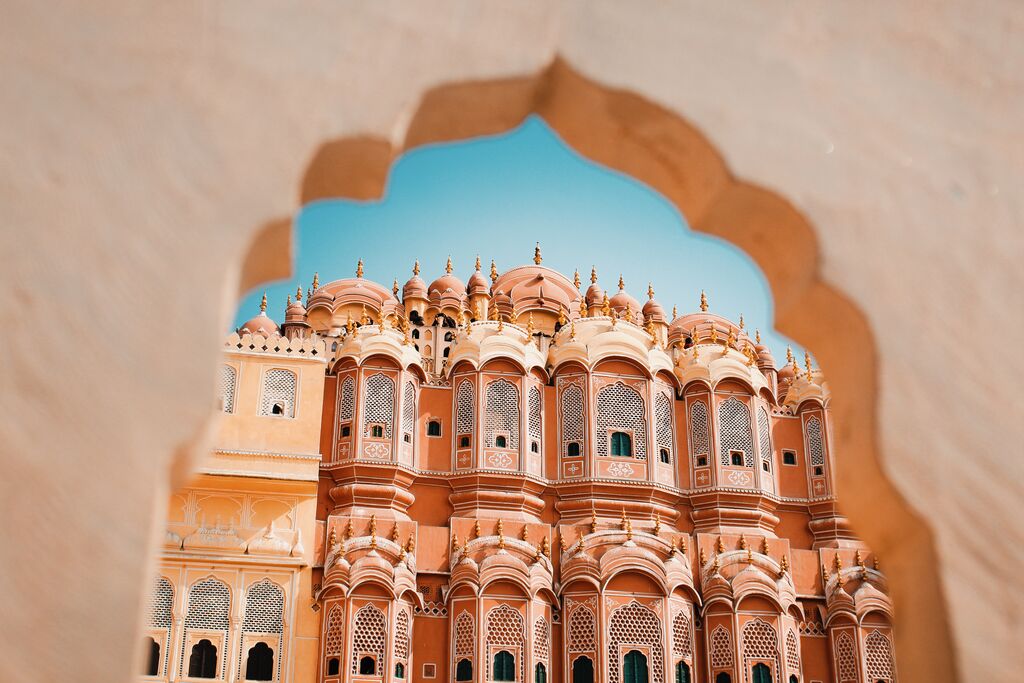 Celebrating India is all its vibrant glory, our Imperial Rajasthan luxury small group journey begins in the capital New Delhi. Over 13 days, enjoy the best of luxury travel in India. See Agra, home to the Taj Mahal and the pink city of Jaipur. The desert village of Khimsar provides a stunning oasis retreat while the grandeur of Jaisalmer’s fort never ceases to amaze. Blue hues in Jodhpur and Udaipur’s sublime lake Palaces complete your vivid, and unforgettable picture of India, each step paired with unrivalled hospitality and sensational cuisine.
 “India is an amazing country – with a human touch,” says Viren. “People are welcoming here, and because it’s a country where English is not a foreign language, it is very easy to converse with locals. As your
 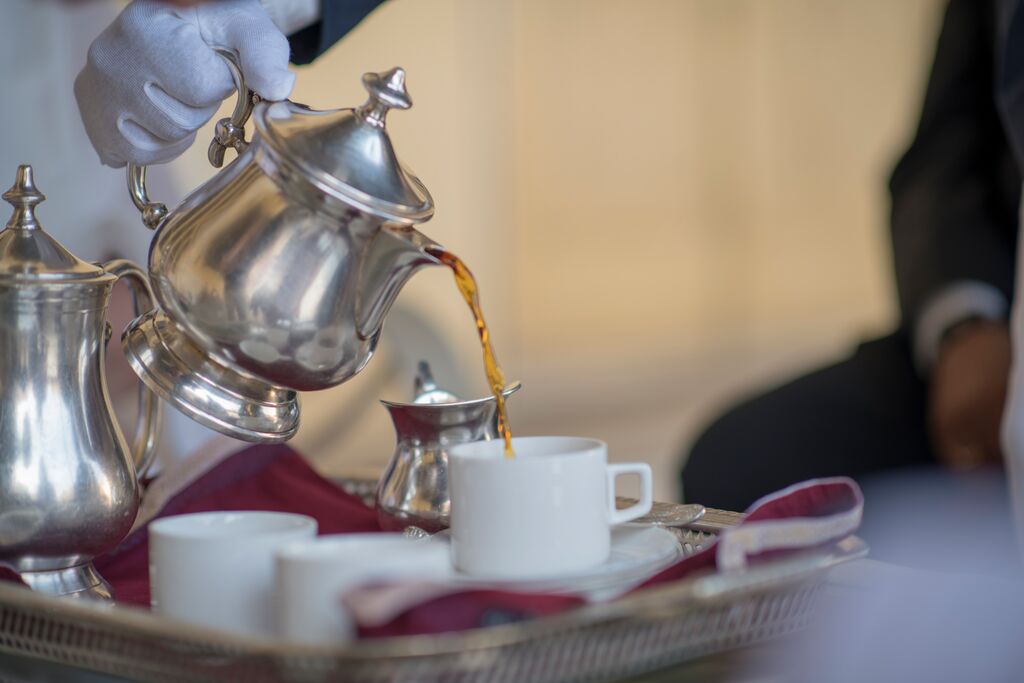 “With such a wealth of cultural riches to explore, there are many opportunities on Imperial Rajasthan where you can personalise your day,” says Viren. “Created with the Luxury Gold guest in mind, we offer thoughtfully curated options to explore your destination. I spend time talking to guests to get to know them and their preferences and explain the options to find the best fit.”
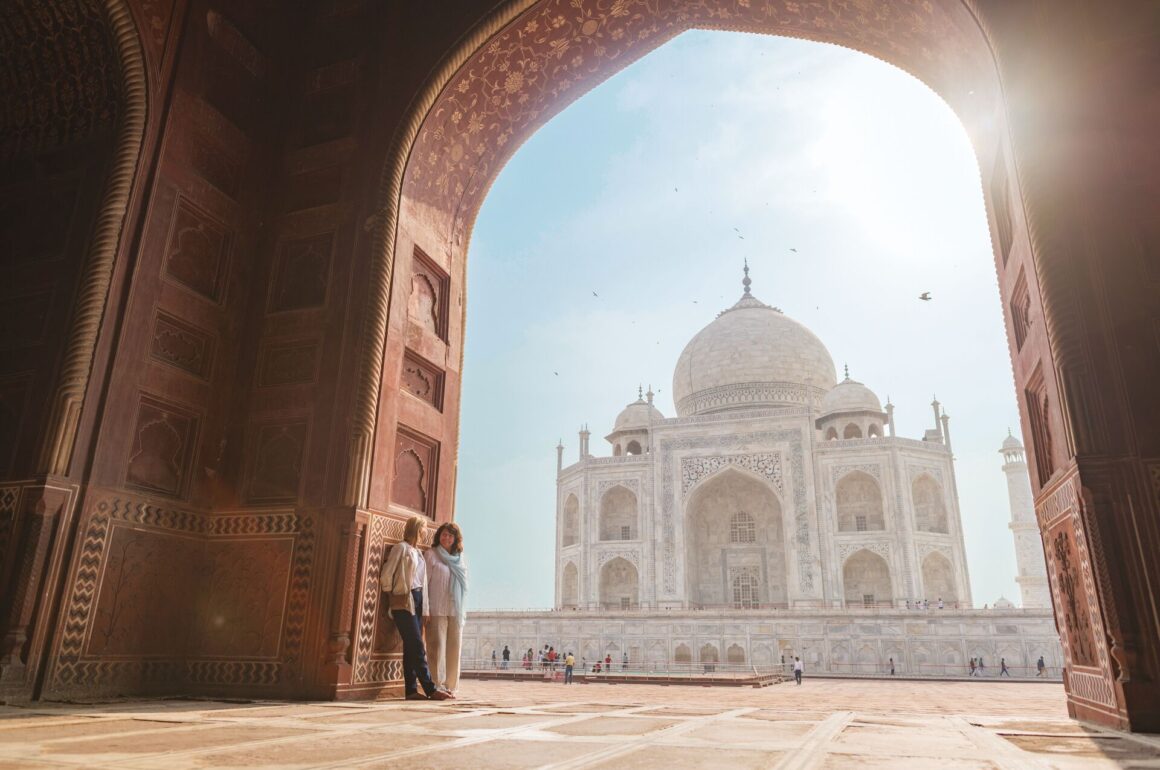
 When in Agra, home of the Taj Mahal, guests can choose between meeting locals on a Murgal Heritage walk, to learn about daily life in the ancient village. Alternatively, you may prefer to visit a private colonial bungalow and join the host family for high tea. To gain a deeper connection to Jaipur you can visit the fresh flower and spice market, or the white marble Birla Mandir Hindu temple to witness a traditional prayer ceremony. And in Udaipur, choose to cruise the serene waters of Lake Pichola or explore the colourful bazaar in the old city.
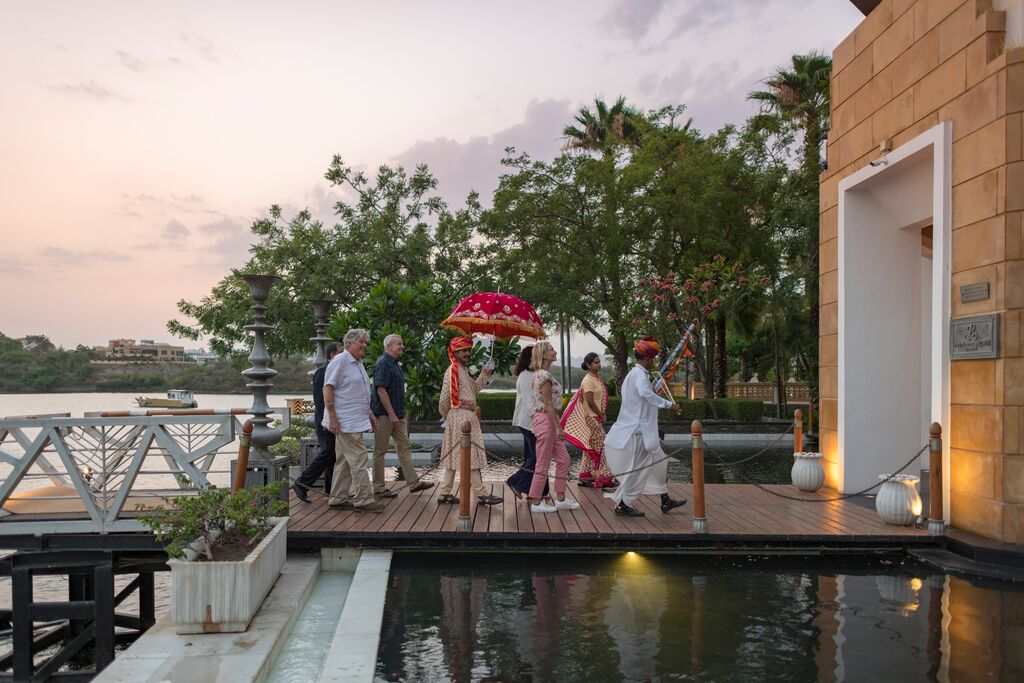 “All hotels on Imperial Rajasthan are both luxurious and fascinating,” says Viren of this hallmark of luxury travel in India. “Each one offers something different. Rajasthan as a state is blessed with heritage properties. Many forts and palaces have been converted to spectacular hotels. This offers not only an exceptional hospitality experience, but you get to further see the historical and cultural contrasts of India.”
 “
“ One of India’s most iconic monuments, the Taj Mahal is a must-see sight. Travel with Luxury Gold and you’ll see it in peace and calm. “Sunrise is always the best time to visit the majestic Taj Mahal and we ensure this moment for our guests,” says Viren. “The early morning has its own charm, and the crowds are sparse. The light is soft, it’s a photographer’s delight. Perfect for capturing this unforgettable monument to love.”
 Exquisite cuisine is a hallmark of all Luxury Gold tours. With many great culinary experiences to choose from, one of the most sublime on Imperial Rajasthan is dining among the dunes in Jaisalmer.
 Whilst following an expertly crafted itinerary, the tour allows plenty of time to tailor to your individual preferences. And your Travel Concierge is on hand to help with that in any way possible. “Some people choose to get up early to see sights not scheduled in the tour. I help with research, planning and arranging transport, there is nothing I do not know about the area. I also know the best spots that you may not find in a guidebook, for tailored experiences and special occasions.”