Luxury Gold - Journey Beyond the Ordinary
  • Home
  • Luxury Journeys
    • Europe
    • Africa
    • Asia
    • Australia
    • USA and Canada
    • Latin America
  • Cuisine
  • Unwind
  • Concierge Tips
  • Make Travel Matter
Luxury Gold - Journey Beyond the Ordinary
Mobile Menu
Home
Luxury Journeys
    Europe
    Africa
    Asia
    Australia
    USA and Canada
    Latin America
Cuisine
Unwind
Concierge Tips
Make Travel Matter
  • Home
  • Luxury Journeys
    • Europe
    • Africa
    • Asia
    • Australia
    • USA and Canada
    • Latin America
  • Cuisine
  • Unwind
  • Concierge Tips
  • Make Travel Matter

Month: March 2024

Concierge Tips, Cuisine

Luxury Travel Secrets: How to Talk to a Sommelier

March 14, 2024 by Lucy Thackray No Comments
Female sommelier holding up a wine glass containing red wine

Picture the scene: a sommelier comes over as you flick through the wine list. There are dozens, maybe hundreds, of options to choose from. You feel overwhelmed: you know what you like, but you’re interested in trying something new. It can be hard to know what to ask a wine professional, or how to talk their language. We caught up with Aisling Bury, sommelier and Restaurant Manager at The Olive Tree in Bath, UK ‒ the city’s only Michelin-starred restaurant, which as a Luxury Gold guest you’ll visit on our British Royale journey ‒ to learn how to talk to a sommelier on your travels.

What is a sommelier?

First things first: what is a sommelier? Essentially, it’s the wine expert employed by a restaurant to help select wines for the venue. They talk guests through the wine list, helping them choose a good match for their dish. Depending on the country, a sommelier usually has a diploma or qualifications from an institution such as the Court of Master Sommeliers. Much of their role happens behind the scenes: designing a restaurant’s wine list ‒ which can run into the tens of thousands of bottles ‒ and working with head chefs to plan food and drink pairings. But they’re also here to guide you. If you’re wondering how to talk to a sommelier, think of what you want from the chat: usually, to help them understand your tastes while also learning a bit about the evening’s wines and getting some new recommendations. Go in confidently with this bluffer’s guide to sommelier talk.

For further reading: From Prosecco to Pecorino: a Guide to the Best Italian White Wines For 2024

Dishes and varieties

Overhead image of fine dining plates of food

The Olive Tree specializes in seasonal fine dining (credit: @olivetreebath on Instagram)

By the time a sommelier comes over to your table, you’ll likely have had time to peruse the menu, and this is vital. You might like a Pinot Noir or a Sauvignon Blanc at home, but your choice of dish is the biggest influence on the wines they will choose. This is especially true of dishes involving red meat, fish, chocolate or cheese, but everything from herbs to char-grilling can influence their choice. So before your chat, note the dishes you’re most interested in ordering. Try to communicate what you like: even if you think you don’t the terminology of wine tasting, you’ll certainly know which flavors your palate responds to. Think of it like ordering a cocktail: you might tell a barman you prefer bright, acidic, citrus flavors, or mellow, sweet or fruity flavors. Those same preferences can be transferred to wine, so don’t be afraid to describe your favorite things to your sommelier.

A sommelier will often talk to you about dryness versus sweetness and the options of full-bodied, medium-bodied or lighter wines. These choices enhance different textures and flavors in your food: so a fatty meat might need a juicy, acidic wine to cut through that fattiness, while an off-dry white wine has the sweetness to complement spicy dishes.

For food lovers: Why South Africa is the Ultimate Setting For a Gourmet Road Trip

Scent and clarity
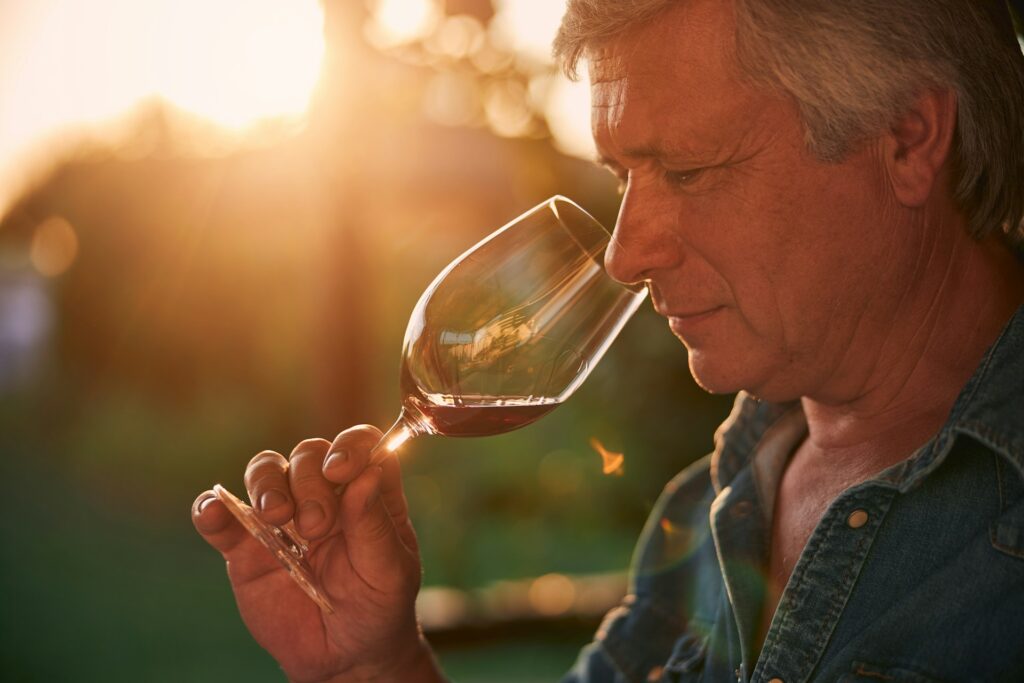
Mature male smelling a glass of red wine

Once a first wine has been selected, your sommelier will pour you a small glass to try. But don’t knock it back just yet. “The first thing you’re going to do is swirl the wine,” explains Aisling Bury, who encourages diners to get a deep noseful of the wine’s aroma. “You’re looking for things that smell out of place; so scents of wet cellar, damp cardboard, a caramel note or just generally an unpleasant vinegar smell.” Next, you should hold the wine up to the light, taking note of the color and transparency of the liquid. “You’re looking for clarity,” explains Aisling. “Unless it’s a natural wine, you want it to be clear and not foggy.” Natural wines aren’t filtered or fined, due to their low-intervention style of winemaking, hence a slight cloudiness when you hold them to the light. Feel free to talk to a sommelier about how the wine was produced and any unusual techniques. 

Your sommelier may also talk to you about the “legs” on your wine. Aisling explains: “When you swirl a wine and it goes up the glass, it’s how slowly the little rivulets of liquid stream down the inside of a glass. The slower they move down suggests a higher alcohol content or sugar content in the wine.” Think of it as syrup running slowly down a glass surface, but water running quickly, hardly leaving any trace. The sweeter the wine, the slower the “legs”.  “Most people think that it’s either to do with the age of the wine or the quality of the wine, but it’s actually a lot simpler than that,” says Aisling.

Tasting the wine

Now, time to taste. Expert tasters swish a mouthful of wine around their mouths, identifying any sour, sweet, mineral, fruity or tannic notes. Tannins are substances from the wine skins and seeds that give your mouth a dry, coated feel, and are most common in red wines. You might take a small sip of air through your mouthful of wine to oxygenate the liquid and bring out different flavors.

One myth Aisling wants to bust is that this first taste is a chance for diners to give a wine the thumbs-up. “You’re not checking whether you like the wine,” she says. “At this point you’ve made your choice, so you’re checking to see if the wine is faulty, not whether or not you like it.” If either you or the sommelier detects a dank, musty, wet cardboard smell, or unpleasant taste, they may conclude the wine is “corked” and decide to open another bottle. Being corked simply means the bottle has become contaminated with cork taint, creating a chemical reaction. A sommelier may show you the wine’s cork, which will also smell if the wine is corked. 

Assuming the wine is of a good standard, take this opportunity to ask your sommelier questions about the country of origin and the winemakers who created it. They can tell you which grape varieties it is made from, what the terroir (earth) is like at the vineyard, any unusual methods that were employed, and which other foods it pairs best with.

We also think you’ll like: For Fine Dining in Spain, This City Sets the Gold Standard

Three experiences to put your knowledge to the test

A rose tasting in France

Fashionable mature women having fun toasting and drinking wine at luxurious restaurant in France

Rosés in Provence, France

On Luxury Gold’s 12-day Ultimate Southern France tour, you’ll stop by the prestigious Château La Coste winery outside Aix-en-Provence, to see its outdoor art and sculpture collection, stroll among the vines and try the acclaimed rosés. It’s had an “Organic Agriculture” label since 2009 thanks to its biodynamic methods of farming and production.

Cool-climate reds in Chile

Boutique winery Kingston Family Vineyards handcraft small-production batches of Pinot Noir, Syrah, Chardonnay and Sauvignon Blanc in the cool climate of Chile’s Casablanca Valley, pioneering cool-climate reds as well as the white wines Chile is most famous for. Visit while touring the continent on Luxury Gold’s epic, 23-day Grand South America journey.

Scenic tastings in South Africa

On a nine-day Spectacular South Africa tour, you’ll meander through the luscious green countryside north of Cape Town, enjoying a scenic drive through the wineland towns of Paarl, Stellenbosch, and Franschhoek, packed with incredible vineyards. South Africa’s diverse wines are also a big part of your delicious Farm-to-Table meal at the award-winning Werf Restaurant, which is renowned for its sustainability.

Dine with us at The Olive Tree in Bath when you join our 10-day British Royale Journey 
Share:
Reading time: 6 min
Concierge Tips, Europe

Blooming Romance: Where to Find England’s Finest Rose Gardens

March 13, 2024 by Alex Allen No Comments
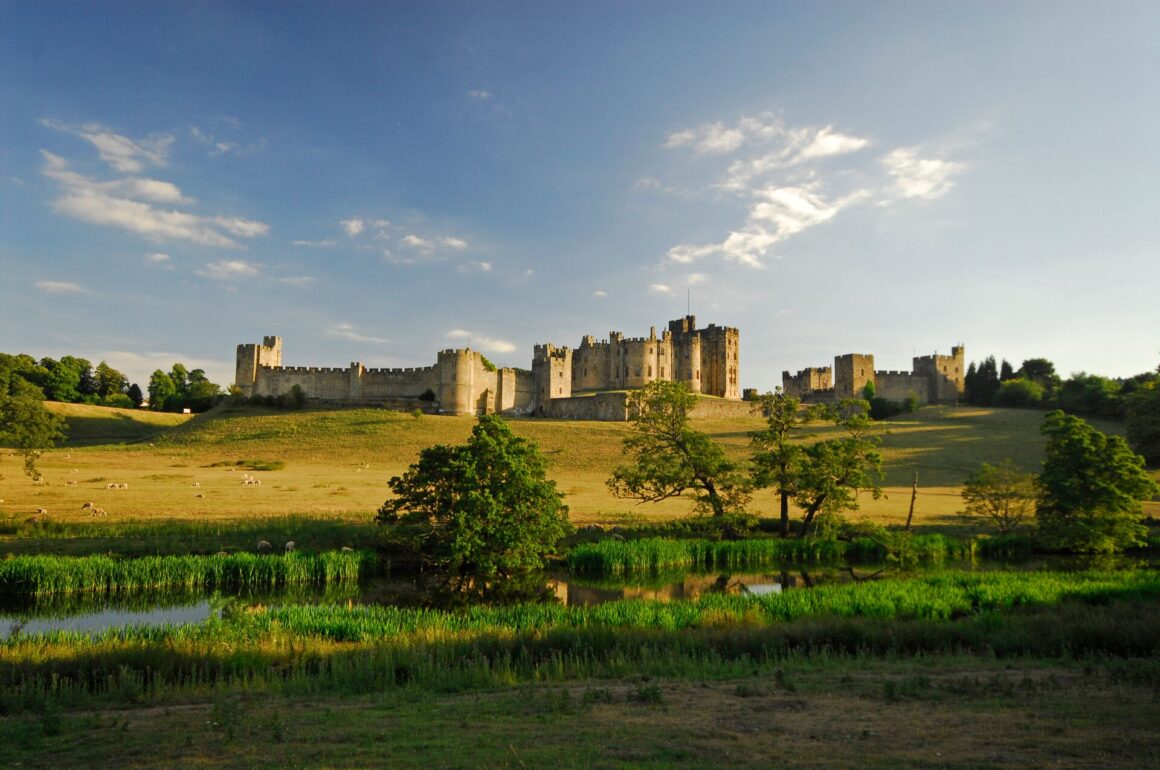
Photo of Alnwick Castle on a hilltop, in late golden sunlight, surrounded by fields

As Shakespeare had it, “that which we call a rose by any other name would smell as sweet” ‒ but this flower and its name are inextricably bound up in ideas of Englishness, beauty and love.

Throughout history it has been a symbol of royal clans, goddesses of love, passion, purity and even socialism. Meanwhile, with literary appearances from Lewis Carroll’s Queen of Hearts to Anne Brontë’s poetic warnings about its thorns, England’s storytellers have been inspired by this classic British flower for generations.

Valentine’s Day may have passed, but that doesn’t mean the appreciation of this most lovely of flowers has to end, too. Immerse yourself in its distinctive scent on a stroll through one of England’s most abundant rose gardens, often attached to storied stately homes. Here are just a few of them.


Anglesey Abbey, Cambridgeshire


View this post on Instagram


A post shared by Anglesey Abbey (@angleseyabbeynt)

This Jacobean manor house, 20 minutes’ drive from Cambridge, is most famous for having a still-working watermill, its parts dating back to the 18th century. But Anglesey’s most fragrant nook is its rose garden, with an impressive 40 varieties of bloom on display. Lord Fairhaven bought the estate in the 1920s, and the Rose Garden was one of his first labours of love; today you’ll see plump candy-pink, sunshine yellow and true scarlet booms filling its walls. Flowering from early June to October, there’s a generous chunk of the year you can visit, too.


Alnwick Castle, Northumberland


View this post on Instagram


A post shared by The Alnwick Garden (@alnwickgarden)

Not only is there an Alnwick Castle, there’s an Alnwick Rose, one of 200 species bred by one of Britain’s most famous horticulturalists, David Austin. You’ll see its dense, blush-pink petals on display at Northumberland’s Alnwick rose garden, part of the Alnwick Castle estate, which is home to a staggering 3,000 roses ‒ making it one of the biggest of its kind in the world. Count up to 300 different varieties, then move on to the Ornamental Variety which has around 30 more. Luxury Gold clients will enjoy a leisurely visit to Alnwick on our 10-day British Royale tour, one of our luxury holidays in England.


Mottisfont Abbey, Hampshire


View this post on Instagram


A post shared by Mottisfont (@mottisfontnt)

Bursting with blooms trained around genteel old trail walls, pergolas and arches, the walled garden at this lovely 18th-century Hampshire pile is a romantic setting. The older, pre-1900 species of rose grown there tend to flower just once a year, unlike modern varieties, so most people visit in the peak flowering month of June. The garden was the brainchild of Graham Stuart Thomas, a collector or rare and historic roses in the 1960s and 70s; at its peak you’ll see 500 varieties in bloom, including the damask “Quatre Saisons” rose, first grown by the Romans, and clouds of the thornless, white Lykkefund rambling rose.


Cliveden, Buckinghamshire


View this post on Instagram


A post shared by Cliveden House and Spa (@clivedenhouse)

Among 376 acres of gardens at this 400-year-old aristocratic estate, the tucked-away rose garden is a highlight. Sitting alongside a zig-zagging Parterre garden, an Asian-influenced Water Garden and a war memorial garden, the rose garden’s flowers are climbers trained over romantic arches and shrubs nestled beneath pensive statues. Over 900 roses in total adorn the garden, in shades from buttercup to coral and deep lipstick pinks; they’re encircled by tall trees giving a sense of hushed privacy. Stop by the gardens’ gift shop to pick up your own David Austin rose variety to take home.


Castle Howard Walled Garden, Yorkshire


View this post on Instagram


A post shared by 𝐂𝐚𝐬𝐭𝐥𝐞 𝐇𝐨𝐰𝐚𝐫𝐝 (@castle_howard)

On the outskirts of the handsome, historic city of York, to the south of North York Moors National Park, is this grade-I-listed stately home with 1,000 acres of gardens. One of the loveliest patches is the rose garden, made up of three enclosures swathed in low shrubs, with trailing boughs of rambling roses and tree roses to admire. The end of June to the beginning of July is when you’ll see and smell them in all their splendour. Guests on Luxury Gold’s lavish British Royale tour enjoy a stop at Castle Howard while visiting York.


Chartwell, Kent


View this post on Instagram


A post shared by Chartwell NT (@chartwellnt)

Winston Churchill’s home from the 1920s to the 1960s has long had an association with roses. The former British prime minister and his wife Clementine were said to have first courted in the rose garden at Blenheim Palace, and dedicated plenty of space in Chartwell’s gardens to her favourite flower. You can still visit Golden Rose Avenue (built in honour of their golden wedding anniversary) and Lady Clementine’s Rose Garden, where the roses are at their most impressive from mid-June and through the summer.


The Savill Garden, Berkshire


View this post on Instagram


A post shared by Windsor Great Park (@windsorgreatpark)

Deep in Windsor Great Park, this colourful ornamental garden contains its own circular rose garden with a sculptural viewing platform in the middle. Opened by the late Queen Elizabeth II in 2010, it has low beds of different-hued rose shrubs, ranging from bright white to pale pinks and deep reds, plus sunlit benches for a pause among the scented flowers. Take a guided tour of the wider gardens (Monday-Friday, year round), where a volunteer will point out seasonal highlights; the best months for roses are June and July.

Share:
Reading time: 4 min
Cuisine, Latin America

Gold Standard: Meet South America’s Most Acclaimed Coffee Producers

March 10, 2024 by Luxury Gold No Comments
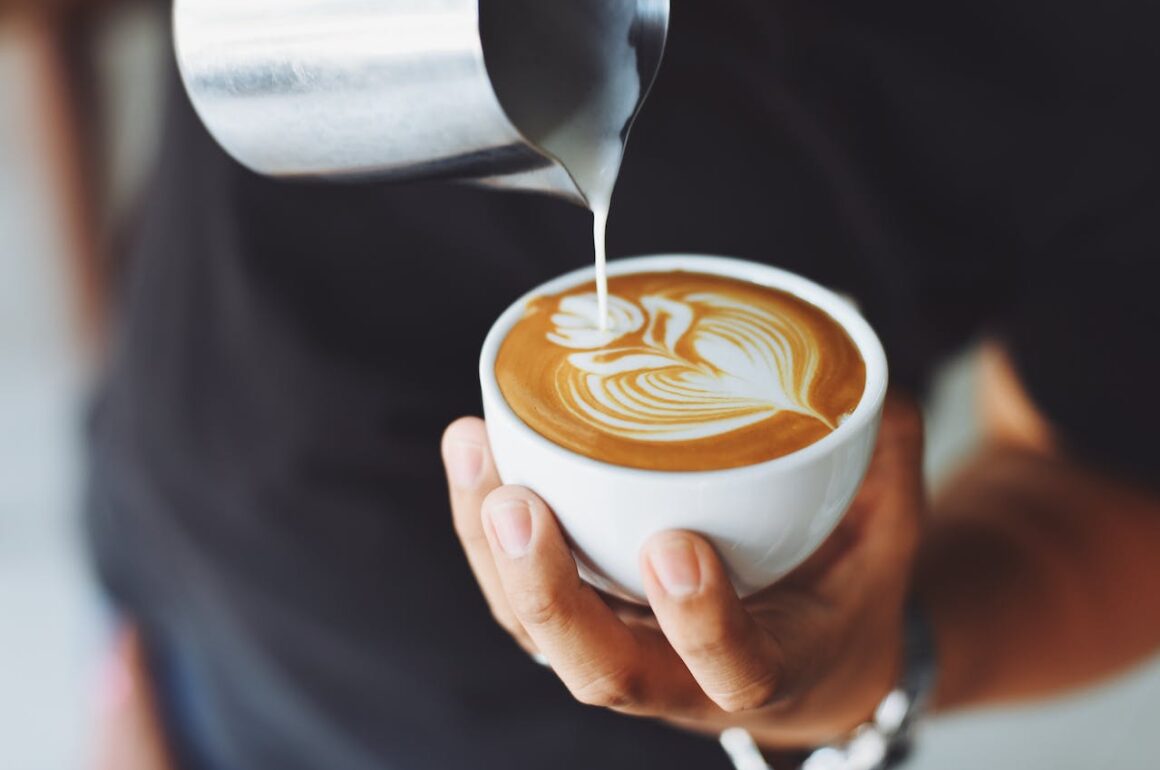
Close up of barista pouring coffee with coffee art on top

The simple luxury of that first velvety, smooth, punchy morning coffee – it’s a tradition that stretches much further back in time than the invention of the takeaway cup. And the coffee itself likely comes from a lot further away than your nearest cafe. 

Brazil and Colombia are among the leading coffee producing countries in the world, but they’re not the only coffee producers in South America. Ecuador, Guyana, Suriname, French Guiana, and Bolivia grow coffee, though it’s rare for coffee producers from these countries to rank among the world’s best.

When it comes to South America’s most acclaimed coffee producers, Brazil, Colombia, and Peru are often at the top of the industry for coffee production in the world. And these are some of the individual producers putting in the hard work to make those beans sing.


Fazendas Pinhal | Brazil 


View this post on Instagram


A post shared by Fazendas Pinhal e Sto Antônio (@fazenda_pinhal)

Brazil is the leading producer of coffee in the world; millions of metric tons of coffee are produced each year. As the world’s leading coffee producer for well-over a century, Brazil’s coffee producers have sizable domestic competition for industry acclaim, which makes Pinhal Farm’s achievements especially respectable.  

In 2019, Pinhal Farm was awarded the title of most sustainable farm by Globo Rural Magazine, then again in 2022 by the Brazil Specialty Coffee Association. Sustainable coffee production is paramount at Pinhal: nearly half of its land is undeveloped. Solar panels generate power around the plantation where local students volunteer and rehabilitated native wildlife roam. Pinhal also limits the use of fuel, pesticides, fertilizers, and water whenever possible.


View this post on Instagram


A post shared by Fazendas Pinhal e Sto Antônio (@fazenda_pinhal)

Pinhal is also a carbon positive farm, thanks to the existing native forest of eucalyptus trees removing CO2 from the air. 

Coffee drinks throughout Europe, China, Saudi Arabia, and Australia will recognize the leading coffee producer’s Fazenda Pinhal beans in batches like Taylors of Harrogate with its notes of chocolate and caramel and the Geisha roast from Koko that features Nutella, stone-fruit, and white flora flavors. 

Brew beautifully: These Are the Most Beautiful Coffee Machines You Can Buy For Your Home

Sample coffee from some of the leading coffee producers on the continent when you join Grand South America, one of our luxury tours of South America. This 23-day tour takes you across Peru, Brazil, Chile, and Argentina, where you’ll have ample opportunity to sit back with a fresh cup of South American coffee.


Cafe Jesus Martin | Colombia


View this post on Instagram


A post shared by Café Jesús Martín. (@cafejesusmartin)

Colombia is a leading coffee producer in the world, third only behind Brazil and Vietnam. Aromatic, fruity flavors tend to sing from its Arabica beans. Colombia’s coffee beans are in a class all their own, with many specialty coffee drinkers convinced that it’s the best medium-bodied brew in a cup. 

Which is why it’s hard to believe that most Colombians did not know the true taste of their native coffee until quite recently.


View this post on Instagram


A post shared by Café Jesús Martín. (@cafejesusmartin)

As is the case in many coffee producing countries, the best batches of beans are often exported, leaving the lower-quality beans for domestic consumption. A Colombian man named Jesus Martin is often credited with “saving” Colombian coffee by introducing specialty coffee to Colombia. 

Since 2008, Cafe Jesus Martin has received high acclaim from Colombian coffee drinkers. The brand has won a number of awards around the world, including in gourmet competitions in Paris. Its Diamante blend is a favorite of Colombians in the cafes town of Salento: a sweet, balanced and elegant coffee that’s not as bold. 

Coffee conquest: Black gold, how the once-humble coffee bean conquered the world


Cenfrocafe | Peru


View this post on Instagram


A post shared by COOPERATIVA CENFROCAFE JAEN (@cenfrocafe)

Coffee has a complicated history in South America, and in the case of countries like Peru, their story has brewed for some time. Brazil and Colombia are two leading producers of coffee in the world; Peru is making an impact in the industry, but despite sharing borders with both countries, there’s one key difference in Peruvian coffee.

Peru didn’t secure its first coffee plants until decades after the beans were brought to other coffee producing countries in South America. 

Coffee plants were brought to Peru from Colombia and Brazil in the mid 1700s, which means these neighboring countries had anywhere from 20 to 40 years of a head start. In recent centuries, years of economic instability and other social issues have prevented Peruvian coffee from gaining the same ranking in the industry that Brazil and Colombia have.


View this post on Instagram


A post shared by COOPERATIVA CENFROCAFE JAEN (@cenfrocafe)

But Cenfrocafe is slowly changing that. 

Central Fronteriza del Norte de Cafetaleros, of Cenfrocafe, is an agricultural cooperative based in Jaén. It got its start in 1999 by bringing together roughly 220 small coffee farms. Today, Cenfrocafe has between 2,000 and 3,000 members comprising nearly 100 smaller cooperatives. Cenfrocafe’s marketing and European distribution partners are aiding Peruvian coffee’s quest for global recognition. It is the second-largest coffee grower in Peru and has always operated with two primary goals: ensuring 100% Fair Trade and as close to 100% organic output as possible. 

Organic compost and organic fertilizers like Guano de Isla — wild bird excrement from Peruvian islands — are used throughout coffee growth. More importantly, the collective commits to fair wages for farmers, including paying out premiums when they achieve certain quality levels. The washed typica and caturra beans often have notes of blackberry, grape, and vanilla.  

Destination inspiration: Meet the Award-Winning Producers in the World of Luxury Coffee

Take your time sipping coffee as you make your way between the Sacred Valley and Machu Picchu during the Treasures of the Incas tour with Luxury Gold. Spend nearly two weeks roaming around this country, making sure to sample cups of locally roasted blends in Cusco and Lima’s cafes.

Share:
Reading time: 5 min
Page 3 of 4«1234»
12 Best Restaurants In Spain

12 Best Restaurants In Spain

October 22, 2024
The Ultimate Nature Retreat: Welcome To Milford Sound Lodge

The Ultimate Nature Retreat: Welcome To Milford Sound Lodge

November 25, 2024
These Are 2025’s Most Exciting Luxury Travel Trends

These Are 2025’s Most Exciting Luxury Travel Trends

October 27, 2024
Canada Unlocked: An Interview with Travelling Concierge Andrea Dionne

Canada Unlocked: An Interview with Travelling Concierge Andrea Dionne

March 21, 2016
5 Books to Inspire Your Trip to the British Isles

5 Books to Inspire Your Trip to the British Isles

May 23, 2019

Subscribe to Our Newsletter

Receive curated news, special offers and travel inspiration straight to your inbox.

Please note that the information you provide will be used solely for the purpose of this request.

Categories

  • Luxury Journeys
    • Europe
    • Africa
    • Asia
    • Australia
    • USA and Canada
    • Latin America
  • Make Travel Matter
  • Cuisine
  • Unwind
  • Concierge Tips

Tags

Africa Asia Australia Canada Croatia Cuisine Destinations Egypt England Europe Exceptional Dining Fine Dining Food France History Imperial Rajasthan India Ireland Italy Japan London Luxury Luxury Gold Luxury Hotels Luxury Travel Make Travel Matter New Zealand Peru Portugal Safari Scotland South Africa Spain Sustainability Sustainable Tourism Sustainable Travel Switzerland Travel Travel Concierge Travel Tips Travel Trends TreadRight USA Venice Wildlife

Search

Recent Posts

What to Wear in Venice: A Luxury Gold Packing List

What to Wear in Venice: A Luxury Gold Packing List

June 3, 2026
The 10 Best Restaurants in Lisbon, Portugal

The 10 Best Restaurants in Lisbon, Portugal

March 31, 2026

More About Luxury Gold

We invite you to embark on a travel experience unlike any other. Join us as we explore exotic lands and distinctive destinations, in exquisite style and comfort. At Luxury Gold, it’s our pleasure to make your next journey extraordinary. Allow us to share our unparalleled wealth of expertise and insights, accumulated over nearly 100 years as leaders in luxury travel.
Privacy Policy
Disclaimer
© Copyright 2023 Luxury Gold. All Rights Reserved.