Luxury Gold - Journey Beyond the Ordinary
  • Home
  • Luxury Journeys
    • Europe
    • Africa
    • Asia
    • Australia
    • USA and Canada
    • Latin America
  • Cuisine
  • Unwind
  • Concierge Tips
  • Make Travel Matter
Luxury Gold - Journey Beyond the Ordinary
Mobile Menu
Home
Luxury Journeys
    Europe
    Africa
    Asia
    Australia
    USA and Canada
    Latin America
Cuisine
Unwind
Concierge Tips
Make Travel Matter
  • Home
  • Luxury Journeys
    • Europe
    • Africa
    • Asia
    • Australia
    • USA and Canada
    • Latin America
  • Cuisine
  • Unwind
  • Concierge Tips
  • Make Travel Matter

Month: October 2022

Europe, Make Travel Matter, Uncategorized

Hives and honey: Meet Ashford Castle beekeeper, Steve Watson Oughterard

October 18, 2022 by Leanne Williams No Comments

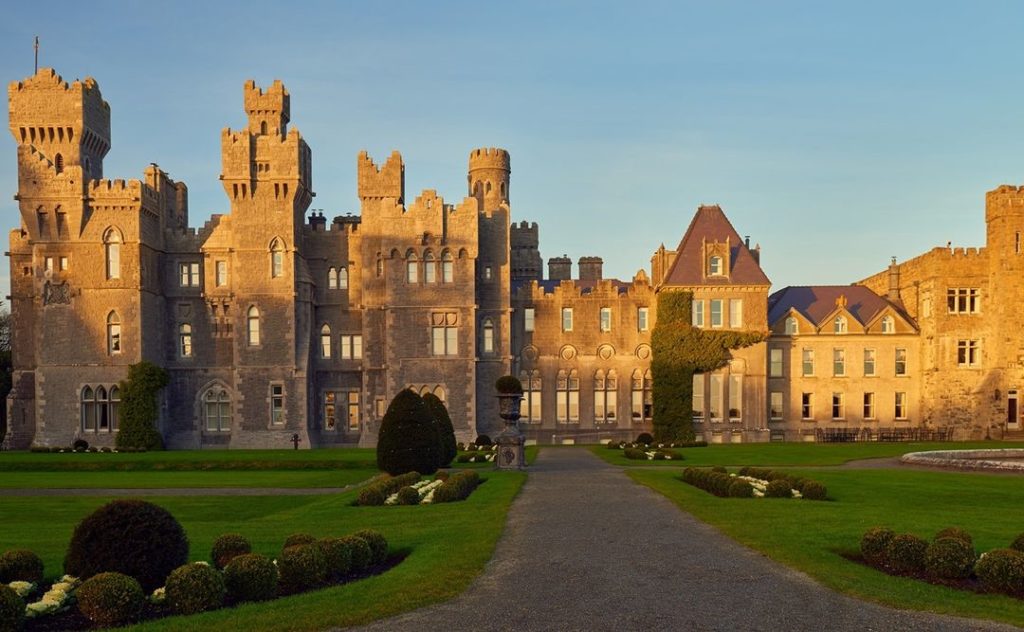
The exquisite Ashford Castle hotel majestically presides over a 350-acre estate in County Mayo, Ireland. Home to landscaped gardens, ancient woodland and an emerald lake, the lands are also a sanctuary for the Irish native black bee.

A key part of the hotel’s sustainability strategy, we caught up with Ashford Castle beekeeper Steve Watson Oughterard to learn more about the hives and their residents.

Ashford Castle
@ashfordcastle

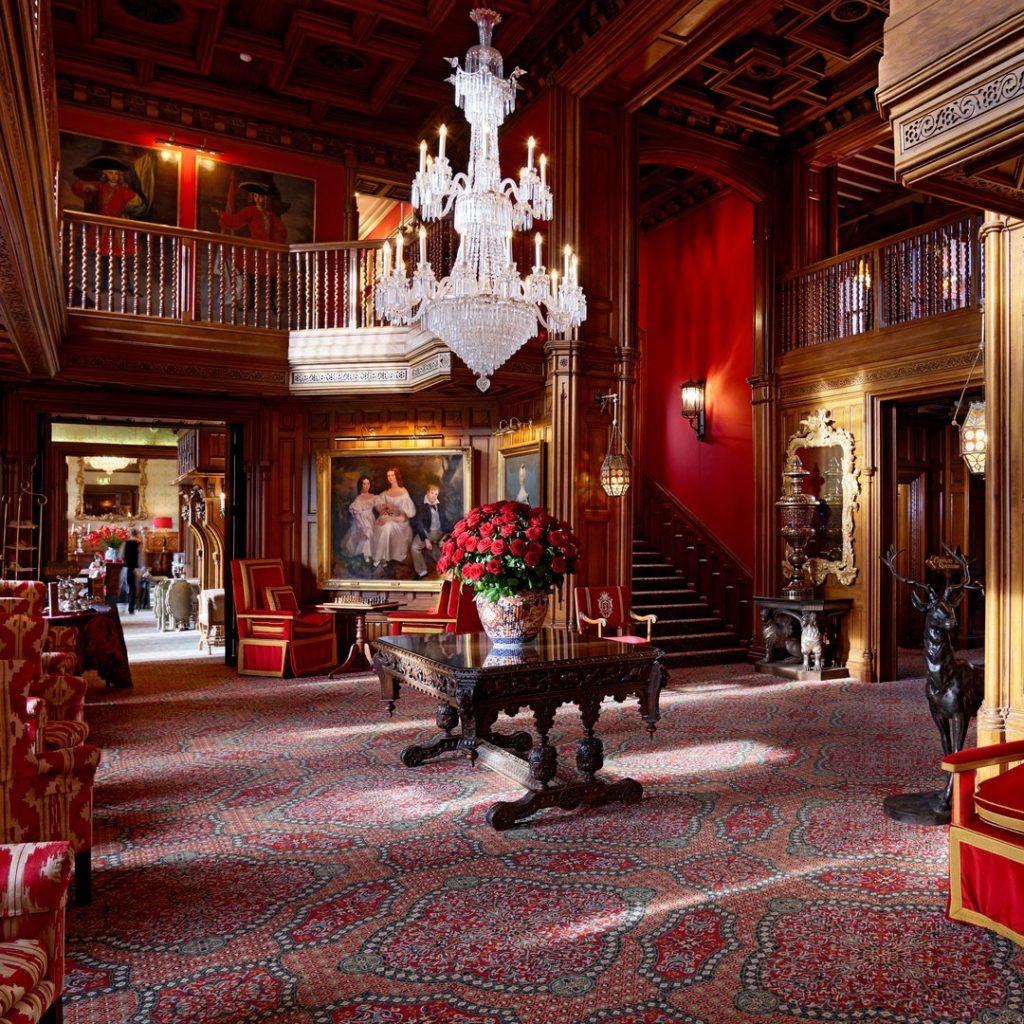
Quaint in size but grand in character, the pretty village of Cong in County Mayo houses the famous Ashford Castle. Formerly home to the Guinness family, this luxury hotel boasts sumptuous rooms, antique furniture and unique historic features at every turn. Set upon an idyllic 350-acre estate, making it a dreamy location for a relaxing and picturesque retreat.

Travel with Luxury Gold and on arrival a lone piper escorts you over the drawbridge. Dine like royalty in Ashford Castle hotel’s esteemed George V Dining Room. Built specially for King George V in 1905, this room bestows a grand sense of occasion. During your stay, choose to take part in a unique falconry experience at the oldest established falconry school in Ireland. And enjoy the spa. And buy and eat honey for your breakfast.

Discover this on: Castles & Kingdoms, Ultimate Ireland

Read more: Ashford Castle: An idyllic country escape

Honey, hives and sustainability
@ashfordcastle

Ashford Castle is a Red Carnation Hotel, a family-run collection of 19 exceptional properties around the world. Unique and special, The Red Carnation Hotels share a strong commitment to sustainability. As part of the TTC Family of brands they work together with the Treadright Foundation to MAKE TRAVEL MATTER®.

Seeking to minimise environmental impact, hives are installed across Red Carnation hotels. Not only preserving the precious honeybee, this contributes to the pollination of surrounding ecosystems. Each hive enriches an area of up to three miles around it, in turn dramatically reducing  food miles. The hives are part of the hotels’ commitment to using local ingredients and to preserving the environment.

The beehives of Ashford Castle are buzzing with activity. Here the bees of Ashford Castle Estate have been busy making fresh Irish honey from the nectar of Cong’s local flowers and plants. Hives of native black bees have been encouraged to make the castle grounds their home, and are taken care of by beekeeper Steve Watson Oughterard and a dedicated team.

Related content: Geneva’s Hotel d’Angleterre is a hotel committed to positive change

Meet the native Irish black bee
@ashfordcastle

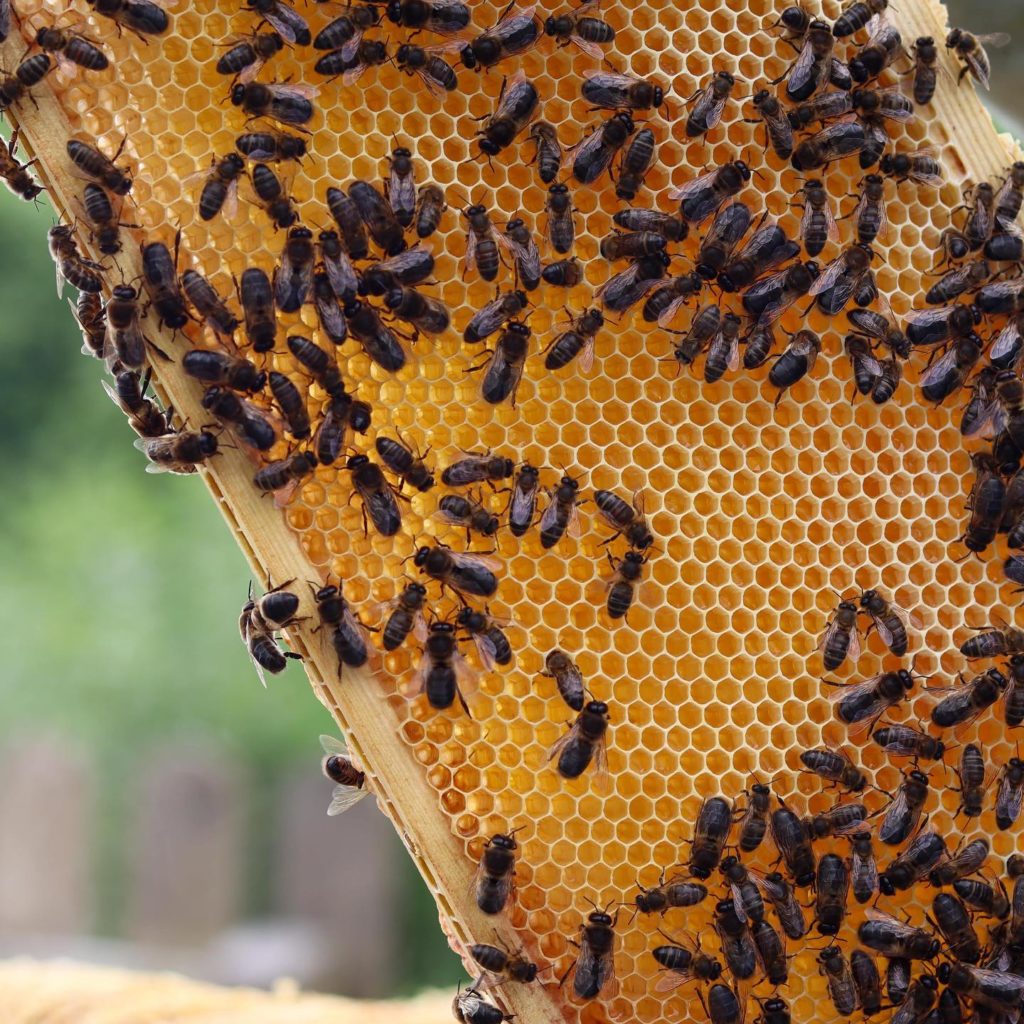
“There are 100 bee species native to Ireland,” Steve explains. “Twenty-one of these are bumblebees and 78 species of solitary bees. However, there is only one Honey bee native to Ireland and that is the native Irish black bee. It is believed that the native Irish black bee was established in Ireland between 4,000 to 10,000 years ago.

“The native Irish black bee has a number of characteristics and adaptations that contribute to it being an ideal fit to its Irish environment. Firstly foraging. They will fly at temperatures as low as 5.5°C (46°F) and even in drizzle or light rain (particularly important in Ireland!). Secondly overwintering. The bees are efficient thermo-regulators and are built for effective heat retention during long winters.

“Thirdly there is thriftiness. The queen attunes her egg-laying to the weather patterns. She pauses earlier in autumn to ensure there are no unnecessary mouths to feed overwinter, so the winter cluster has plenty to survive on until the following spring. And lastly, Propolis. The native black bee is an avid producer of this dark brown, resin-like material. It is used for structural stability and protection of the colony from the elements. It also has anti-fungal and antibacterial properties.”

Planting a bee paradise 
@ashfordcastle

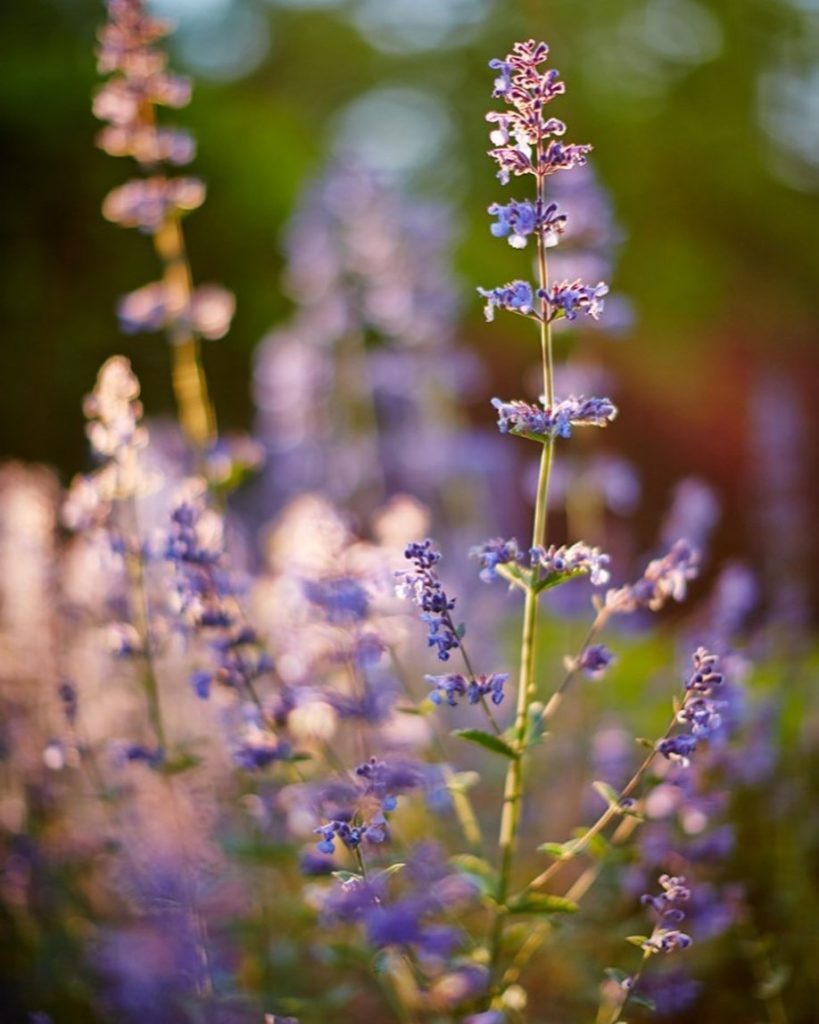
 “In Ireland the importance of bees as pollinators of crops and native plant species cannot be overstated,” Steve tells us. “It is estimated that almost three quarters of our Irish wild plants rely on insect pollinators, of which bees are most important.

“Around Ashford Castle some of the most important forage plants for the Honey bees include dandelion early in the year, bramble and clover mid-summer and ivy in the autumn. However, a wide variety of flowers and trees in the area are foraged for their nectar and pollen. The Castle’s sustainability, conservation and re-wilding policies have contributed immensely to the success of our Honey bee hives, along with all pollinators and general biodiversity on the estate.”

Read more: The 10 most beautiful villages and small towns in Britain & Ireland

On become a beekeeper
@ashfordcastle

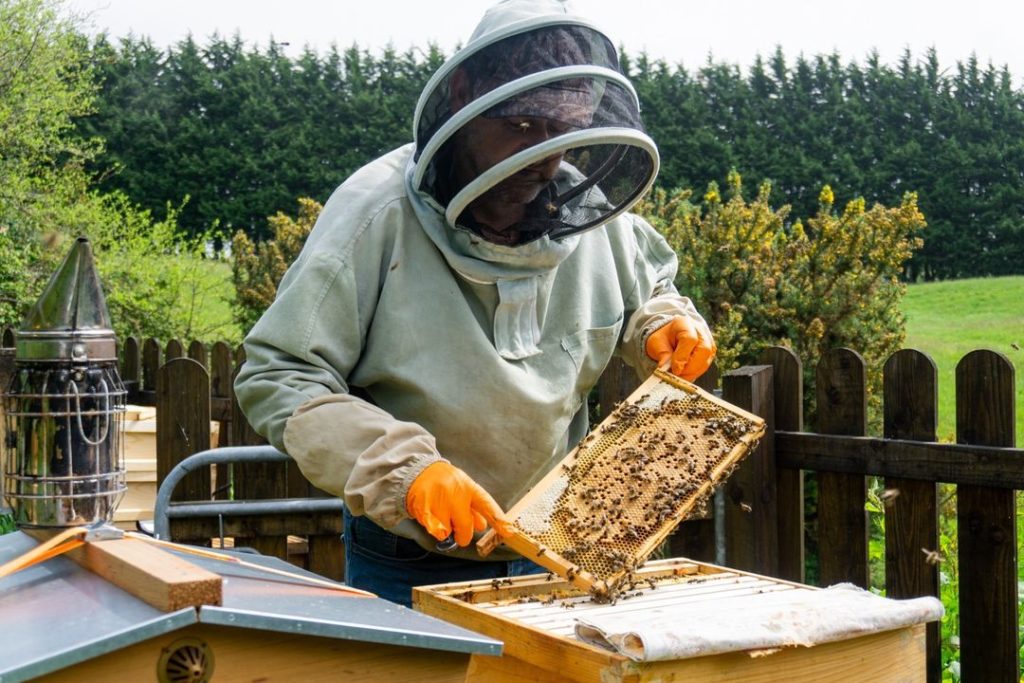
 “I became interested in beekeeping when I returned to Ireland after working throughout Australia for 15 years,” Steve explains.  “I took an introductory course to beekeeping and started off with two hives, which grew to five by the end of that year, 15 the following year and so on….. suffice to say I was hooked and now manage in excess of 100 hives.

“It is a challenging and particularly interesting pursuit, as every day with the bees is a learning day. Even in winter when there is no direct work with the bees, I am busy as I am currently studying for a diploma in apiculture.

“My role as beekeeper at Ashford Castle hotel is to manage the hives in our apiary throughout the year. The vast majority of my time is spent there between mid-spring and early autumn. I will typically check each hive every 7-10 days. This involves checking the queen is present and/or laying, ensuring there is adequate stores and room in each hive and looking for any evidence of disease.

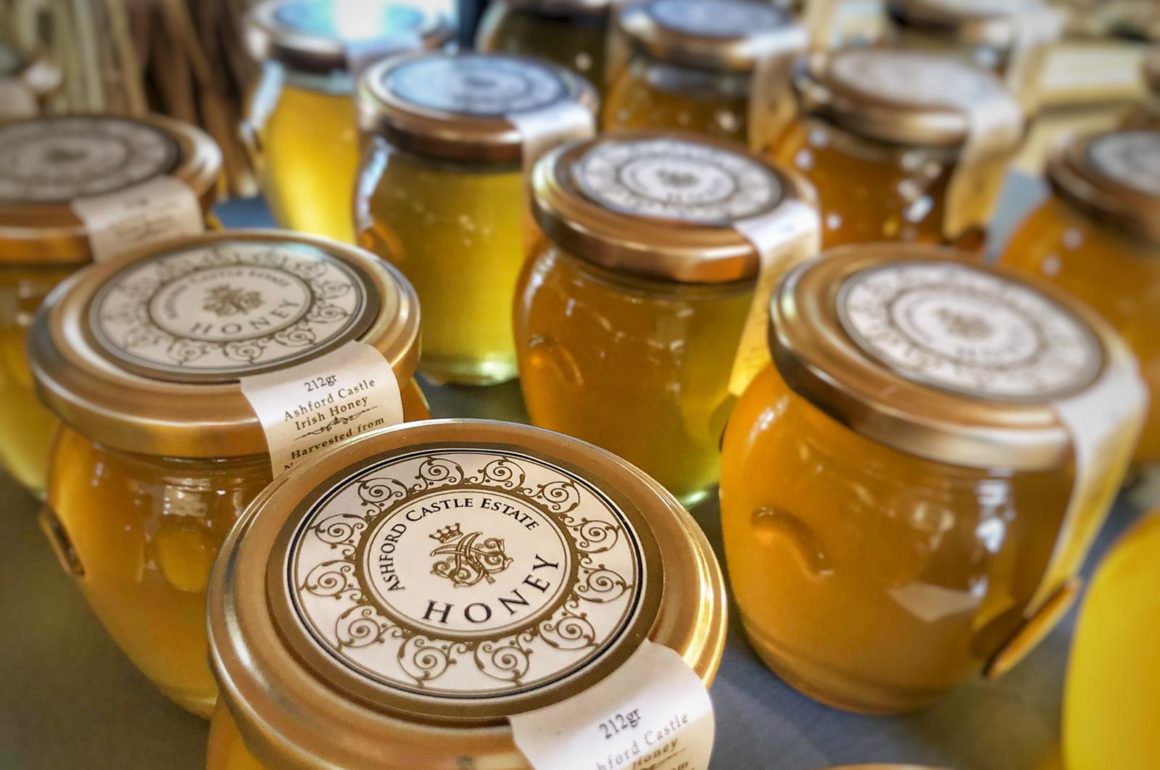
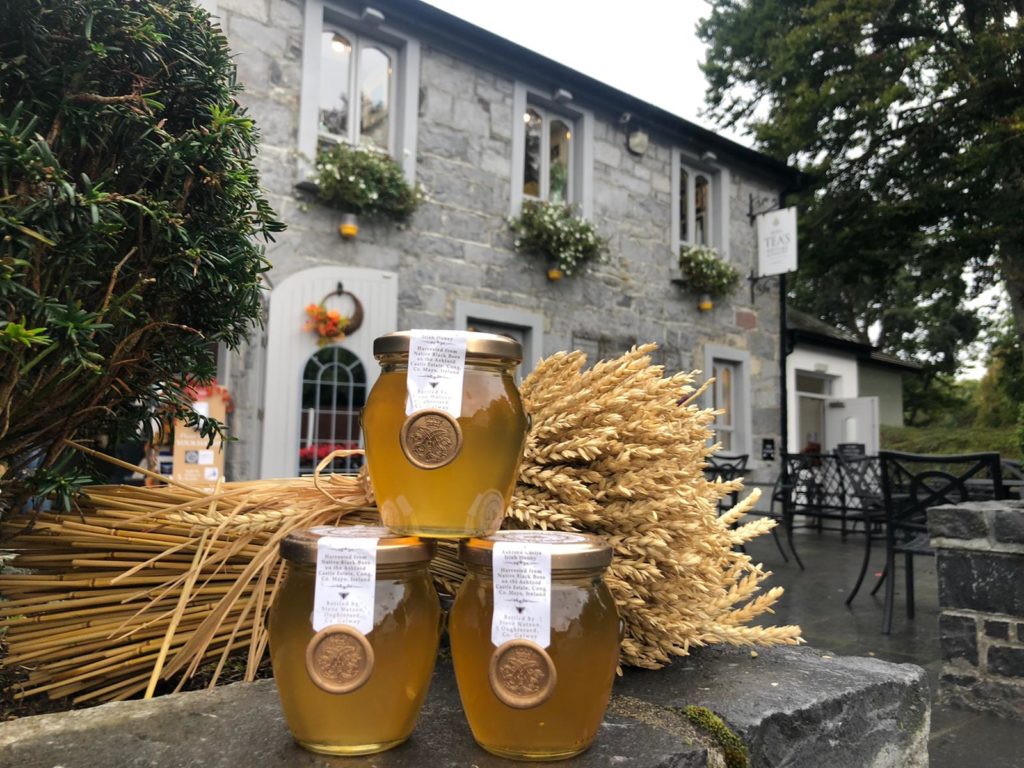
“Early summer can be particularly busy with swarm control measures. Usually, the honey crop is taken off towards the end of August and I take it back to my purpose-built honey room for extraction and bottling. I don’t remove all the honey and leave the bees with adequate stores for the winter; however, they will also continue to store ivy honey up until November.”

The secret to delicious Ashford honey?
@ashfordcastle

“There is no secret to the delicious Ashford honey” Steve tells us. “It is 100% from the flowers and trees in the area. I do not feed the bees any sugar syrup at any point in the year. I also practice a natural method of beekeeping where I do not treat with any chemicals for disease, instead use integrated pest management, re-queening and brood break techniques amongst others.”

Related content: The Roaming Boomers on traveling to Ireland with Luxury Gold

Ensuring the future of the native Irish black bee
@ashfordcastle

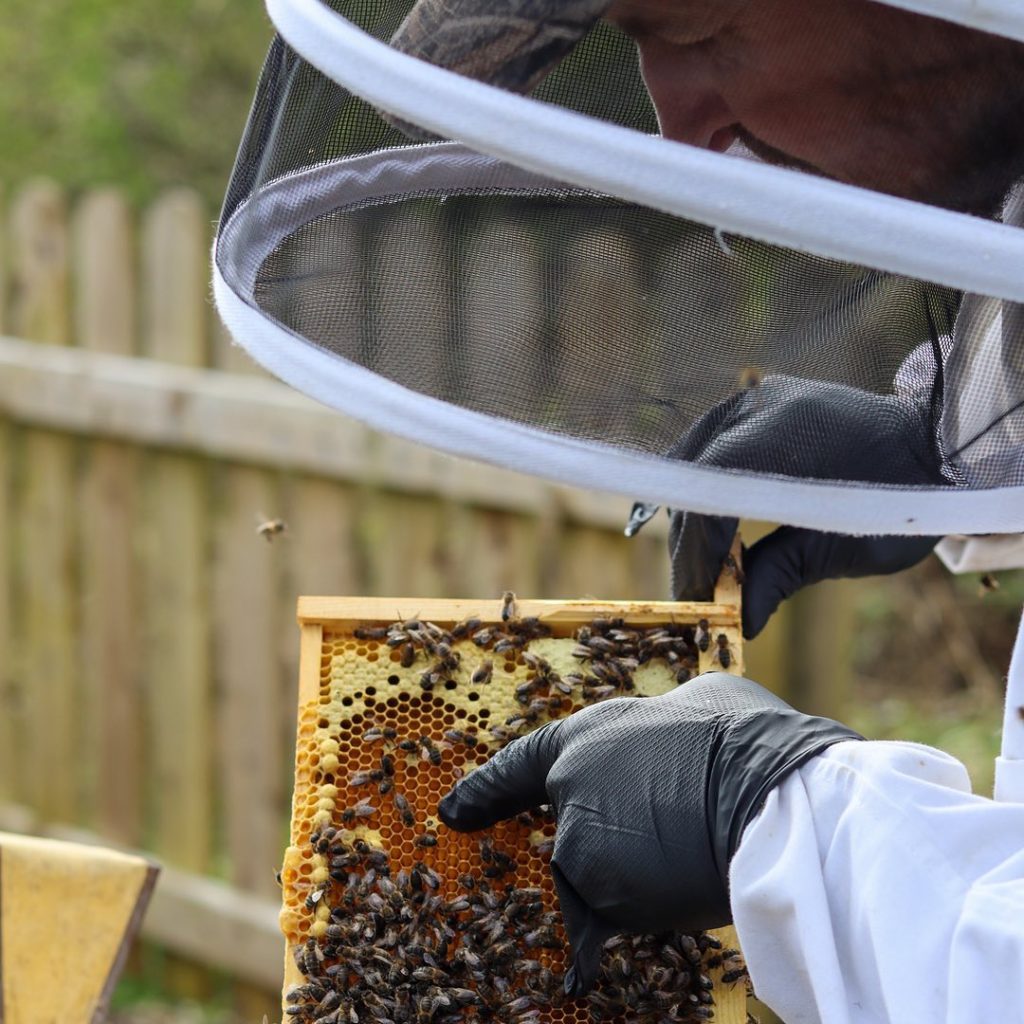
“Preservation of our native Irish black bee is of great importance,” Steve emphasizes. “Aside from its significance as a pollinator, it is our only native Honey bee and uniquely adapted to our climate and conditions. It is threatened by hybridization with imported strains of non-native Honey bee, which also carries the risk of introducing foreign pathogens and parasites that could devastate our honey bee (and other bee) populations.”

How you can help

“One third of our bee species are threatened with extinction from Ireland,” Ashford Castle beekeeper Steve explains. “This is due to reduction in the number of trees, flowers and safe nesting sites in our landscapes.

“As a beekeeper, however, I like to keep it simple. Stop using pesticides and herbicides, sow more native plant species in your garden and allow some areas of garden to re-wild. In the end, I believe, measures that benefit Honey bees tend to benefit pollinators in general and so we all win.”

Related content: How your travels with Luxury Gold help conserve nature for future generations

Spend two nights at Ashford Castle on our Castles & Kingdoms and Ultimate Ireland luxury guided tours. Taste the delicious honey for yourselves and maybe purchase some to take home as a treat for family and friends. And know through your visit that you are helping preserve nature for future generations.

Share:
Reading time: 6 min
Uncategorized

Travel Concierge Sharon, on the experience that awaits when you visit Croatia

October 14, 2022 by Leanne Williams No Comments

Crystal waters, sumptuous cuisine and exquisite islands, there are so many reasons to visit Croatia. But don’t just take our word for it, hear what one of our expert Travel Concierges has to say.

We caught up with Sharon who specializes in Eastern Europe and the Balkans. With a deep love and knowledge of Croatia, she shares her wisdom here for Luxury Gold guests.

Visit Croatia and revel in natural beauty on our Croatia & The Dalmatian Coast luxury guided tour. Enjoy Michelin-starred dining, exquisite hotels and VIP after-hours access to the Museum of Apoxyomenos. The ultimate luxury Croatia travel experience, board a week-long cruise along the Dalmatian Coast, discover the cities of Zadar and Dubrovnik and explore the stunning Plitvice Lakes National Park.

 Sharon’s love for Croatia

@sharon_insta

Originally from New Zealand, Sharon came over to Europe to work as a tour leader and planned to stay for two years. 27 years later she is still in Europe, a specialist in Eastern Europe and the Balkans, and in love with Croatia. Her love affair with the country began in 2000 when she first visited. She tells us: “Croatia quickly became one of my favorite destinations, it knocked Italy off the top spot!”

Famed as having the most beautiful shoreline in Europe, Sharon agrees this is an apt accolade. “You have the Adriatic Sea where the water is stunning. It is crystal clear and wonderful for swimming. Then the geography is fascinating with the mountains in the background and the villages and vineyards scattered all over. It is truly a very beautiful destination.”

Related content: How to spend 24 hours at 7 of the most exquisite hotels around the world

Sensational cuisine

@sharon_insta

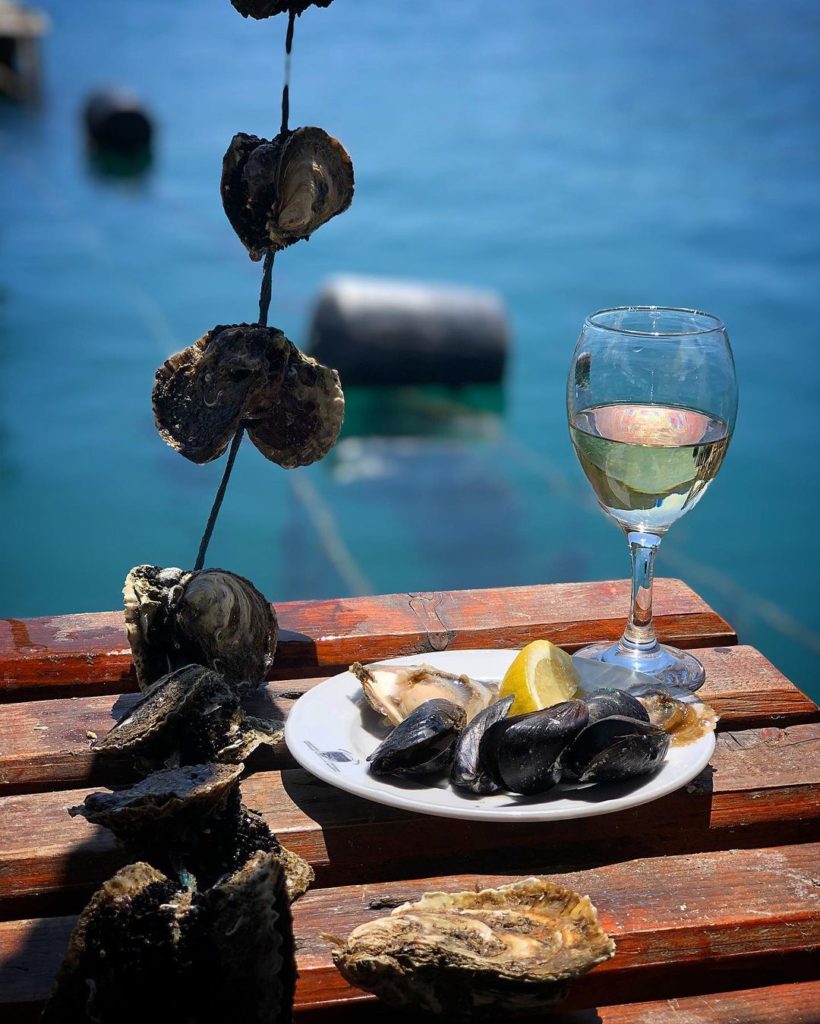
“If you ask me my favorite Croatian foods, the immediate thing that comes to mind for me is octopus salad, oysters and crisp white wine. These are my instant go to,” Sharon tells us with a smile. “When it comes to cuisine, Croatia is like Italy in a lot of ways, in that it is very regional. So in the north, we eat very different things to what we do on the coast.

“In the north they do an amazing meat under the bell,” she says, describing Peka, a traditional Croatian method of preparing food. Here meat is roasted over open flames using a clay or wrought-iron baking vessel, a must-try when you visit Croatia. “It is really juicy and tender and accompanied by roasted vegetables, cooked in the juices for a unique taste.

“In the south it is all about delicious seafood. And some of the best olive oil I’ve ever tasted in Europe. You can also enjoy great wines. The thing about Croatian food is the simplicity, simple grilled fish and greens, but it’s super tasty.”

Travel with Luxury Gold and in the picturesque fishing village of Mali Ston you will meet Tomislav, a local oyster farmer. Here you will see the floating oyster beds and savour an exquisite mouthful of oysters straight from the sea, one of the most naturally decadent things to do in Croatia.

Read more: 5 Michelin star chefs celebrating local culture through food

Zadar

@likezadar

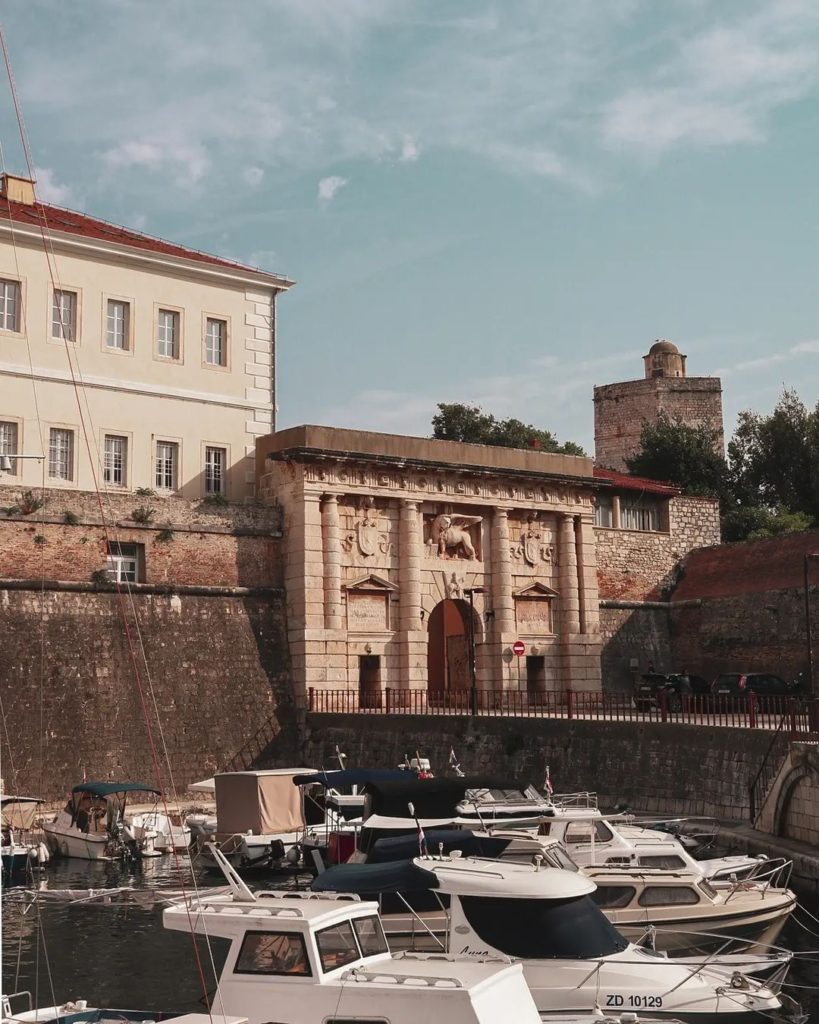
As you walk the streets of Zadar, Dalmatia’s ancient capital, you will feel like you have stepped back in time. With its remains of a 1st century Roman Forum, the 9th century St. Donatus Basilica, and the 16th century Venetian city walls, you will be captivated.

“Zadar is quite surprisingly historic,” Sharon tells us. “I think when most people think of the Croatian coast they think of beaches and sun and cruising the waters. But a lot of the cities have an amazing history. In Zadar the Romans are still very evident there, and it offers a great combination of historical sights but then contemporary history as well.

“Zadar also has a really interesting sea organ which is quite unique. The water rushes in and, as it goes out, it makes different noises as well. It’s very subtle so you kind of have to just sit there and then you’ll hear the music. It is one of the fun things to do in Croatia, and at sunset it is pretty amazing.”

Read more: 9 reasons to visit Croatia & the Dalmatian Coast

Plitvice Lakes National Park

@plitvicelakesnp

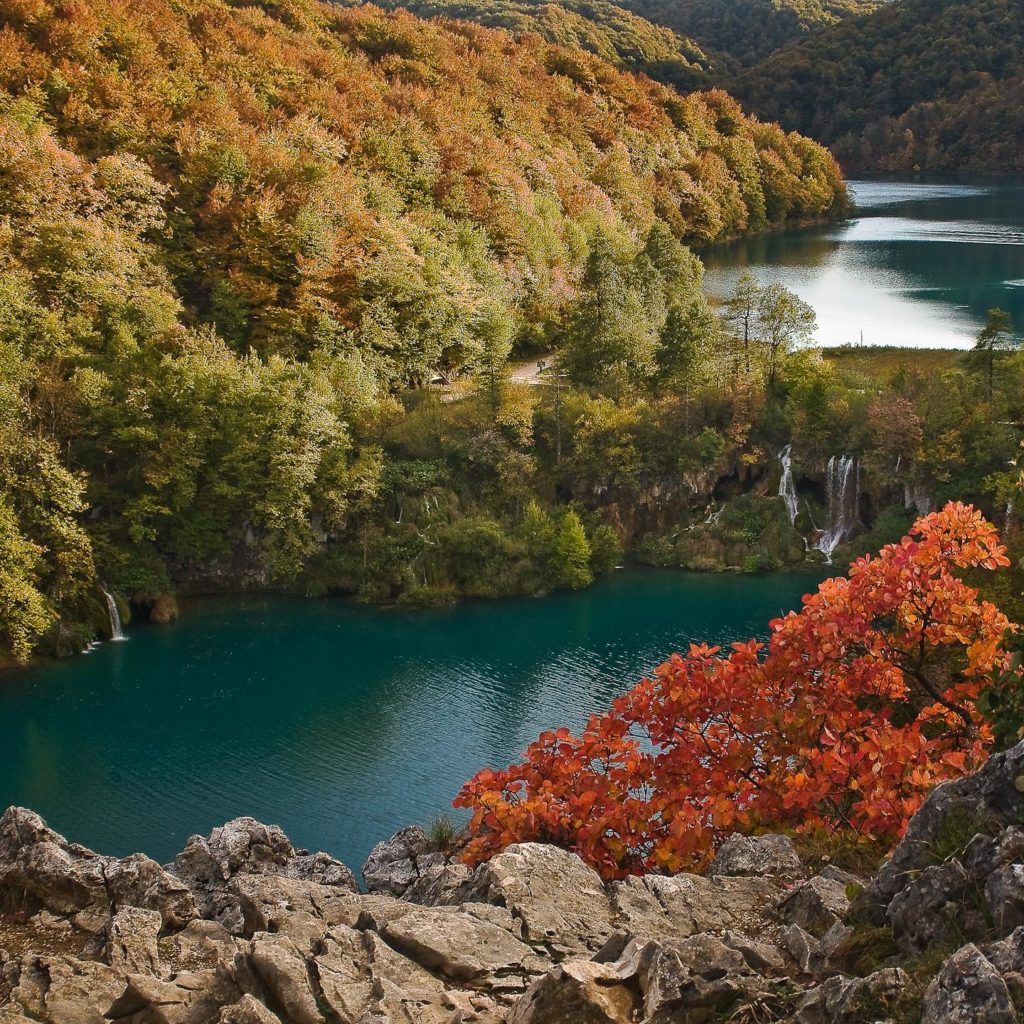
At Plitvice walk amongst cascading falls and colorful lakes and marvel at one of the world’s great natural wonders. The lake system of Plitvice Lakes National Park is comprised of 16 named and several smaller unnamed lakes, each one cascading into the next, and ending with the impressive Sastavci Waterfalls.

“Plitvice is a great treasure, very unique,” Sharon described one of the great Croatia attractions. “The area is quite quiet and you can hear the birds tweeting. Most of the lakes are very calm and then you come into these pockets where you’ve got waterfalls everywhere and you can hear the rushing water.”

“The lovely thing about Plitvice is the opportunity to go into a National Park and have a walk. It makes a great contrast to the cities. Your local expert brings it all alive and tells all of the little snippets about the nature and the history and personal stories as well.”

“And for me, as well as being mesmerizingly beautiful, Plitvice is quite amazing in that they’re very focused on sustainability. So it’s organized very well.”

Travel with Luxury Gold and join a MAKE TRAVEL MATTER® Experience to learn all about the Park’s invaluable research and conservation work.

Read more: How your travels with Luxury Gold help conserve nature for future generations

Dubrovnik

@sharon_insta

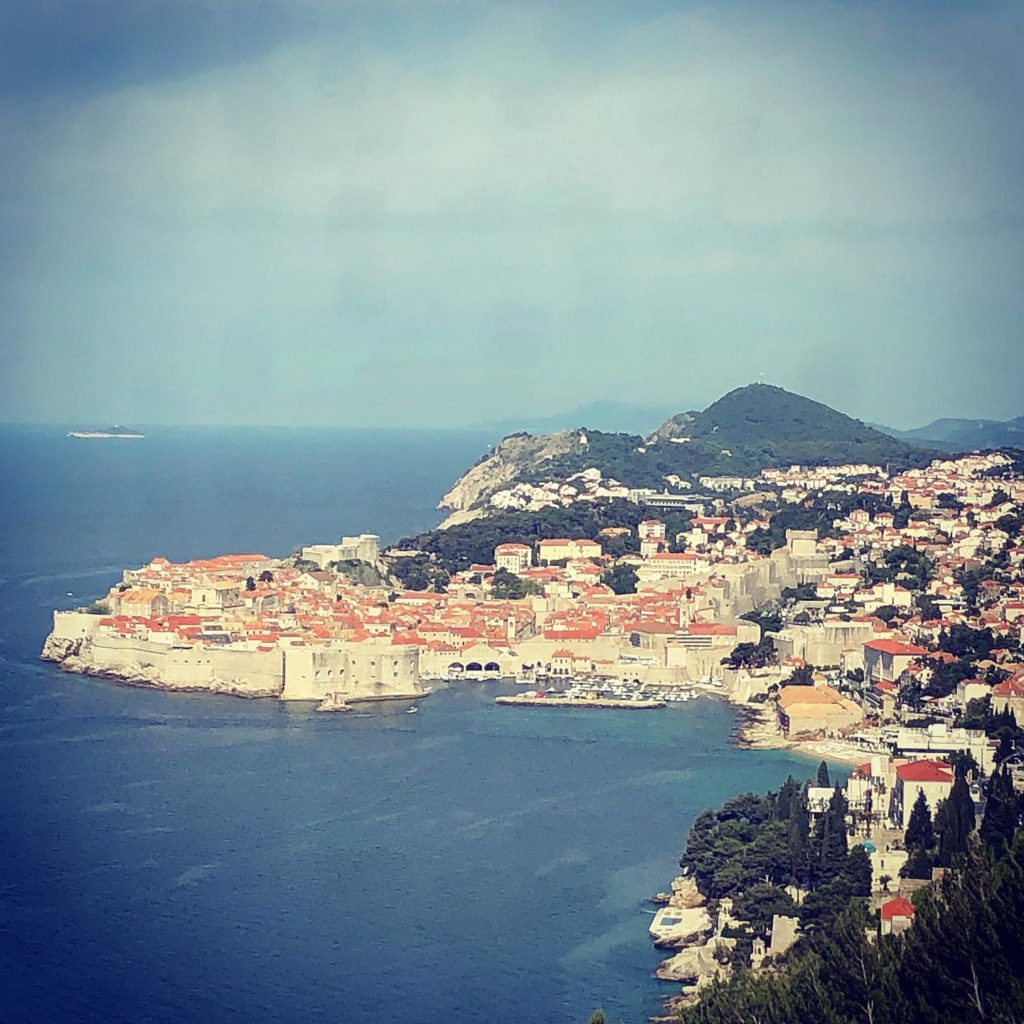
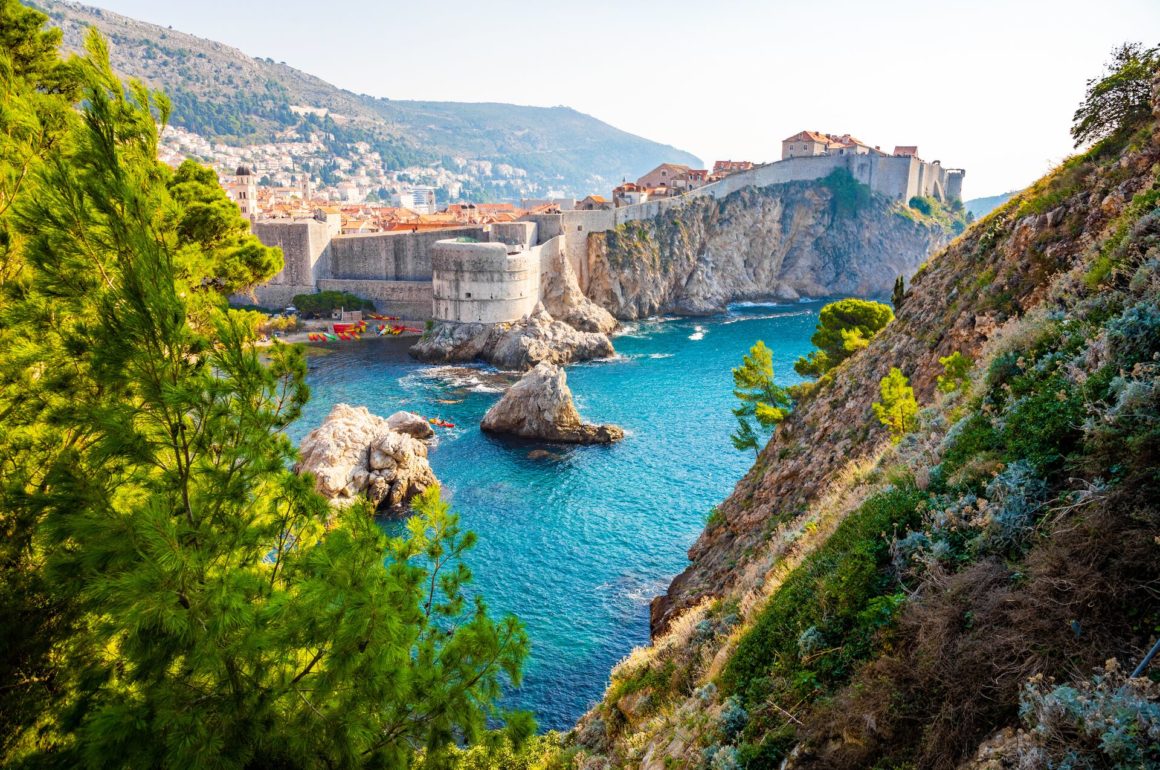
Regarded as the most picturesque city on the Dalmatian Coast, the moment you see Dubrovnik you understand why it is known as the “Pearl of the Adriatic”. A UNESCO World Heritage Site, Dubrovnik’s beautiful Old City is surrounded by magnificent defensive walls and forts, running for nearly 1.25 miles. You may well recognize Dubrovnik as the main filming location for Kings Landing, in the hugely popular television series Game of Thrones.

“I would say Dubrovnik is probably the most unique city in the world. It is the fantastic treasure.  Walking the city walls is one of the essential things to do in Croatia, especially if you can get some quiet time like towards the end of the day or earlier morning. There’s nothing quite like it.

“For me the city is a lot like a Venice. The history is quite amazing, the lifestyle, the culture and the traditions. I would put Venice and Dubrovnik as probably the two most unique cities in Europe because of their maritime history. Their beauty. Everything,” she enthuses.

Read more: 6 of the world’s most beautiful walled cities and towns

Sound like a local

Before we let her go, we asked Sharon for the phrase everyone should learn before they visit Croatia and she tells us: “Pomalo – this is a saying in Dalmatia that means slow down, relax, take it easy.”

If you are feeling inspired to visit Croatia & the Dalmatian Coast then why not treat yourself to a luxury guided tour. Enjoy exclusive experiences, stay in exquisite hotels and taste culinary excellence every step of the way.

Share:
Reading time: 6 min
Cuisine, Latin America, Luxury Journeys

What to look for in a top-quality Pinot Noir, by wine expert Courtney Kingston

October 12, 2022 by Katie Johnson No Comments
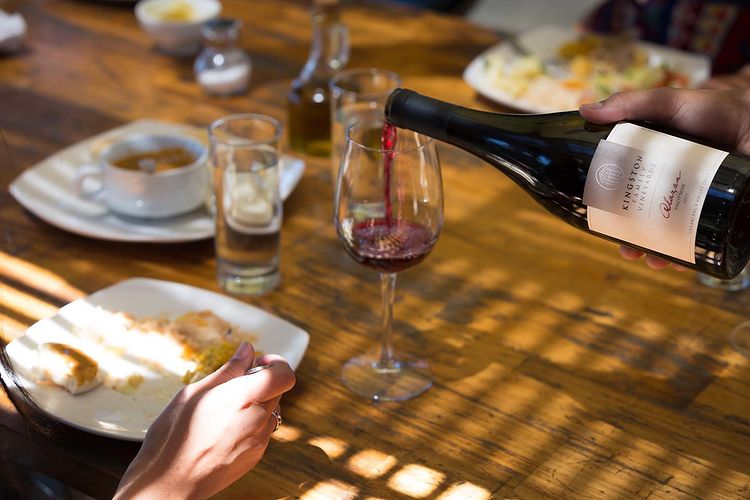
Pouring a glass of wine

When it comes to Pinot Noir, Courtney Kingston has deep roots—or rather, vines. As the Founder of Kingston Family Vineyards in Chile’s Casablanca Valley, Courtney carries on her family’s farming, winemaking and pioneering history with passion. We talked with Courtney about her enchanting winery, how to find your favorite Pinot and what makes “the heartbreak grape” so special.    

Related Content: Wines of the world 

@kingstonvineyards

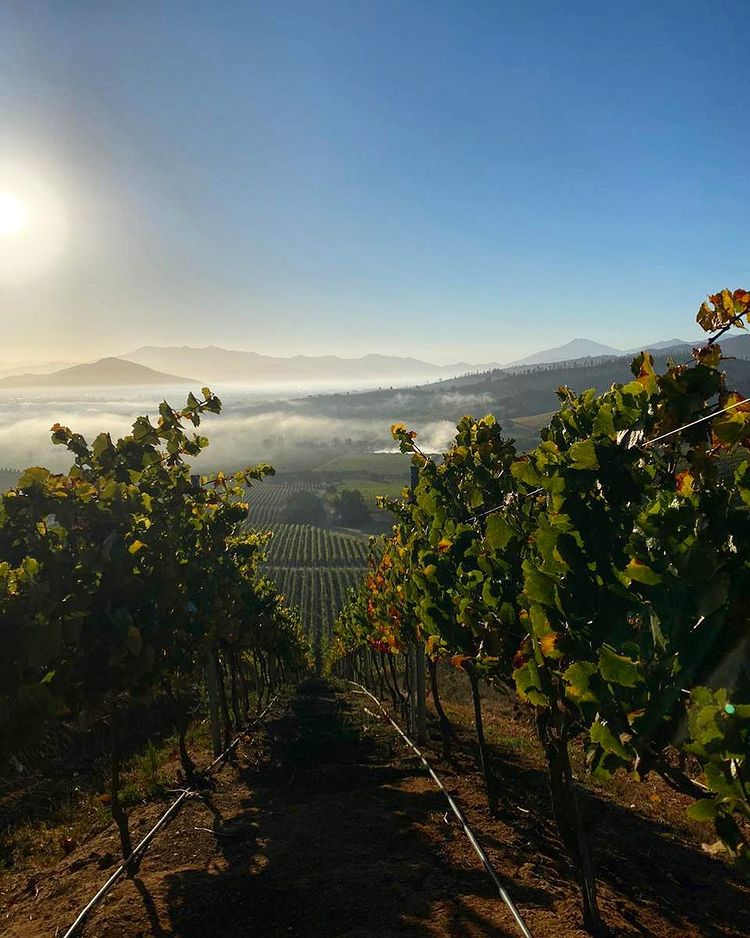
The vineyards and winery 

Kingston Family Vineyards offers private, reserved tastings at their winery perched on a hillside of the stunning Chilean coastline. The location alone is part of what makes this experience feel like you’ve come across a tucked away treasure. You’ll enter the winery turning onto a dirt road lined with palm trees planted by Courtney’s aunt. Your gaze follows down the grove of trees before “the world opens in front of you,” as Courtney describes. From there you’ll spot the salón, or tasting room, nestled within the hilltop vineyard and, on a clear day, perhaps Mount Aconcagua. As you enter the glass-walled tasting room, you’re treated to an open-air experience with a view of the Andes from the sprawling deck.  

Kingston Family Vineyards

@kingstonvineyards

The experience 

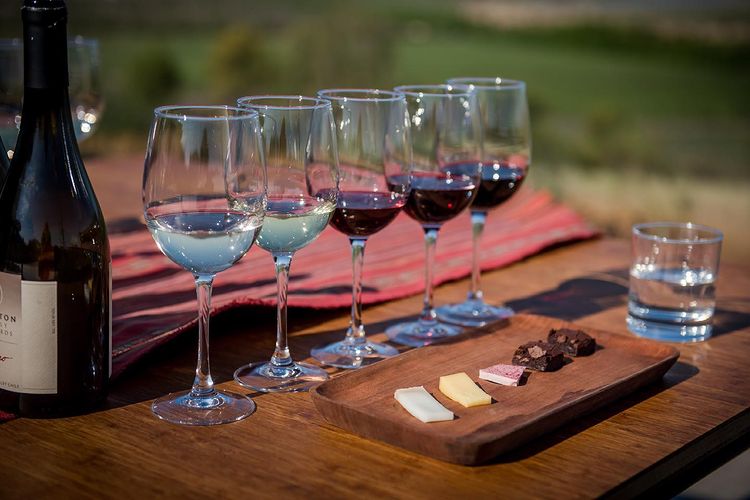
From a seat on the patio or cozied up near the fireplace, you’ll enjoy a tasting paired with local cheeses and chocolates. Courtney points out that Kingston is a winery offering culinary and wine experiences. They also work with a local cheesemaker for their pairings. Sample a local goat cheese with a Sauvignon Blanc. A cheese with depth paired with a Chardonnay. And chocolates paired with a Pinot Noir and a Syrah. During your tasting, your hosts will share the family legacy. “Everything is tailored to your experience,” Courtney points out. “It’s all in the bottle and in the experience.”   

The tasting

@kingstonvineyards

The history 

Kingston Family Vineyards is unique not only in their pioneering vintages but in their family history. Their legacy began in the early 1900s when Carl John Kingston, Courtney’s great-grandfather, set out from Michigan in search of gold in Chile. Carl didn’t strike gold, but his quest did prompt him to establish a cattle ranch on the current site of the winery, just miles from the Pacific. Five generations later, the 350-acre vineyards have yielded bounty and opportunities to harness the Kingston’s pioneering spirit that Courtney and her family still embody. Since 1998, Kingston Family Vineyards has produced organic, artisan, hand-made wines that are enjoyed around the world. 

The vineyards

@kingstonvineyards

The “heartbreak grape” 

With a climate similar to the Mediterranean or the San Francisco Bay, when Courtney was deciding what types of grapes to grow on the family land, she asked herself, “What could we do that would speak of the farm?” Coming from an entrepreneurial family, she was looking for ways to help the farm and contribute to the community—and to do something a little different. So, she decided on Pinot Noir.  

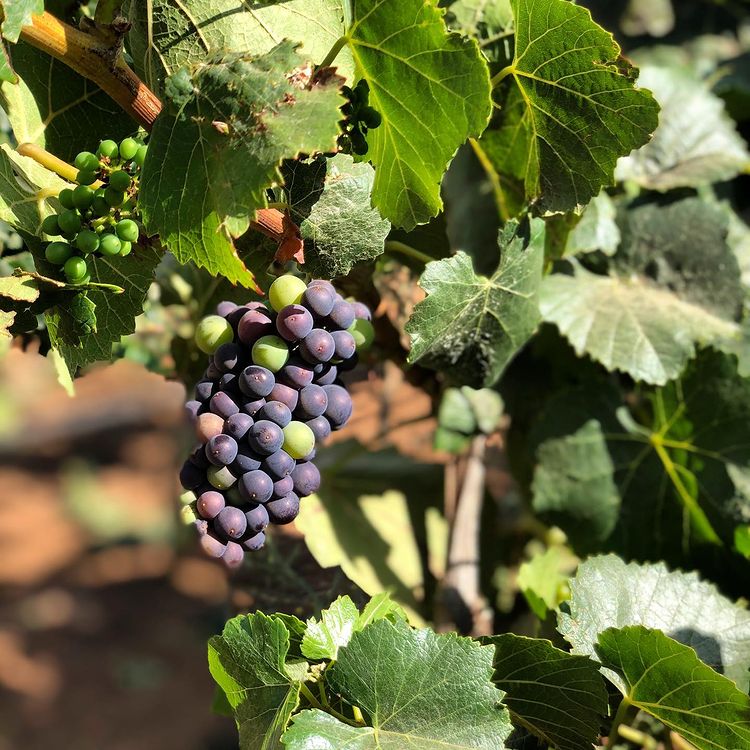
“Pinot was new for Chile. Planting along the coast was new… Pinot is really hard to make. It’s called the heartbreak grape because it’s incredibly finicky and sensitive,” Courtney explains. “Not all grapes are created equal. Some are particular. Pinot Noir is one that always keeps you guessing and speaks of where it’s from.” Courtney compares harvesting Pinot to marathon running, another passion that runs deep in her family. “It’s not the shortest path but it’s well worth it.” Well worth it, indeed. Stanford Business School has since written two case studies on Kingston Family Winery and their entrepreneurial success. 

Pinot Noir grapes

@kingstonvineyards

Kingston Family Vineyard’s Pinot Noir

Kingston Family Vineyards bottles five different Pinots made in different ways. Courtney explains that when you taste wines from different blocks (each block is about one to two acres) side-by-side it “brings home the concept of terroir… a rare experience.” Chile is the tenth largest wine making country in the world. And for a winery to make a small amount by hand as Kingston does presents guests with a real treat. Kingston also ships to your home—so you can continue and share your discoveries with family and friends. 

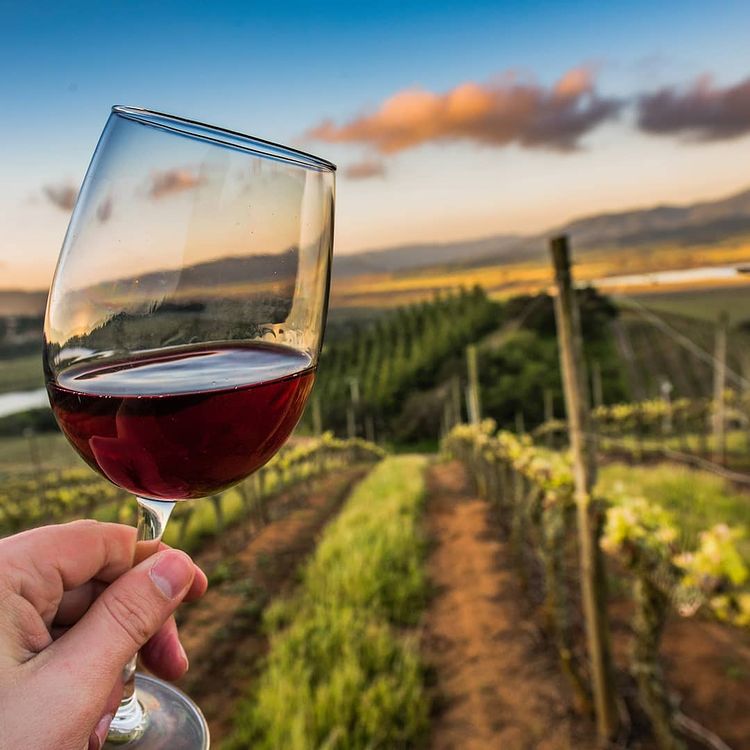
Vineyards at sunset

@kingstonvineyards

How to pick a Pinot Noir 

After your Grand South America tour, how can you find the best Pinot in your hometown? Courtney’s advice on how to choose Pinot Noir is to travel the world through Pinot. Experience the joy it brings. “When it’s made with intention and purity, that speaks to where it’s from.” Courtney suggests trying Pinots from New Zealand, France’s Burgundy region, Oregon’s Willamette Valley and the central coast of Santa Barbara. “Tasting side by side will help you taste the difference in Pinots from different regions,” she says. 

Courtney’s second tip for discovering top quality Pinot Noir is to find and get to know your local wine shop, or even your favorite restaurant. Your local sommelier will be eager to share their favorite wines and you’ll build a relationship that will serve you well as you learn which Pinots you like. 

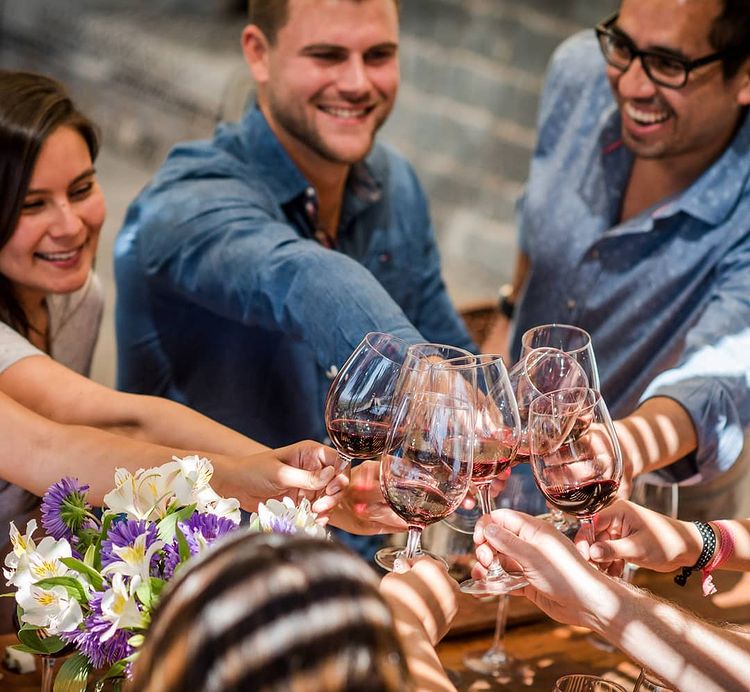
Friends toasting

@kingstonvineyards

Lastly, Courtney says, “Find a bottle with a story behind it.” Because Pinot is hard to make on a large scale, those unique bottles from small winemakers will showcase their labors of love. We couldn’t agree more. And with a story like Courtney and her family’s, we’ll be savoring every sip.  

Join us in Chile.

Share:
Reading time: 4 min
Page 2 of 4«1234»
12 Best Restaurants In Spain

12 Best Restaurants In Spain

October 22, 2024
The Ultimate Nature Retreat: Welcome To Milford Sound Lodge

The Ultimate Nature Retreat: Welcome To Milford Sound Lodge

November 25, 2024
These Are 2025’s Most Exciting Luxury Travel Trends

These Are 2025’s Most Exciting Luxury Travel Trends

October 27, 2024
Canada Unlocked: An Interview with Travelling Concierge Andrea Dionne

Canada Unlocked: An Interview with Travelling Concierge Andrea Dionne

March 21, 2016
5 Books to Inspire Your Trip to the British Isles

5 Books to Inspire Your Trip to the British Isles

May 23, 2019

Subscribe to Our Newsletter

Receive curated news, special offers and travel inspiration straight to your inbox.

Please note that the information you provide will be used solely for the purpose of this request.

Categories

  • Luxury Journeys
    • Europe
    • Africa
    • Asia
    • Australia
    • USA and Canada
    • Latin America
  • Make Travel Matter
  • Cuisine
  • Unwind
  • Concierge Tips

Tags

Africa Asia Australia Canada Croatia Cuisine Destinations Egypt England Europe Exceptional Dining Fine Dining Food France History Imperial Rajasthan India Ireland Italy Japan London Luxury Luxury Gold Luxury Hotels Luxury Travel Make Travel Matter New Zealand Peru Portugal Safari Scotland South Africa Spain Sustainability Sustainable Tourism Sustainable Travel Switzerland Travel Travel Concierge Travel Tips Travel Trends TreadRight USA Venice Wildlife

Search

Recent Posts

What to Wear in Venice: A Luxury Gold Packing List

What to Wear in Venice: A Luxury Gold Packing List

June 3, 2026
The 10 Best Restaurants in Lisbon, Portugal

The 10 Best Restaurants in Lisbon, Portugal

March 31, 2026

More About Luxury Gold

We invite you to embark on a travel experience unlike any other. Join us as we explore exotic lands and distinctive destinations, in exquisite style and comfort. At Luxury Gold, it’s our pleasure to make your next journey extraordinary. Allow us to share our unparalleled wealth of expertise and insights, accumulated over nearly 100 years as leaders in luxury travel.
Privacy Policy
Disclaimer
© Copyright 2023 Luxury Gold. All Rights Reserved.